

The Hidden Cost of Unoptimized Bending Drawings
Poor dimensioning, uncalculated bending physics, tooling mismatches, and interference risks silently drive up rework, delay schedules, and undermine first-article success rates before machine setup even begins.
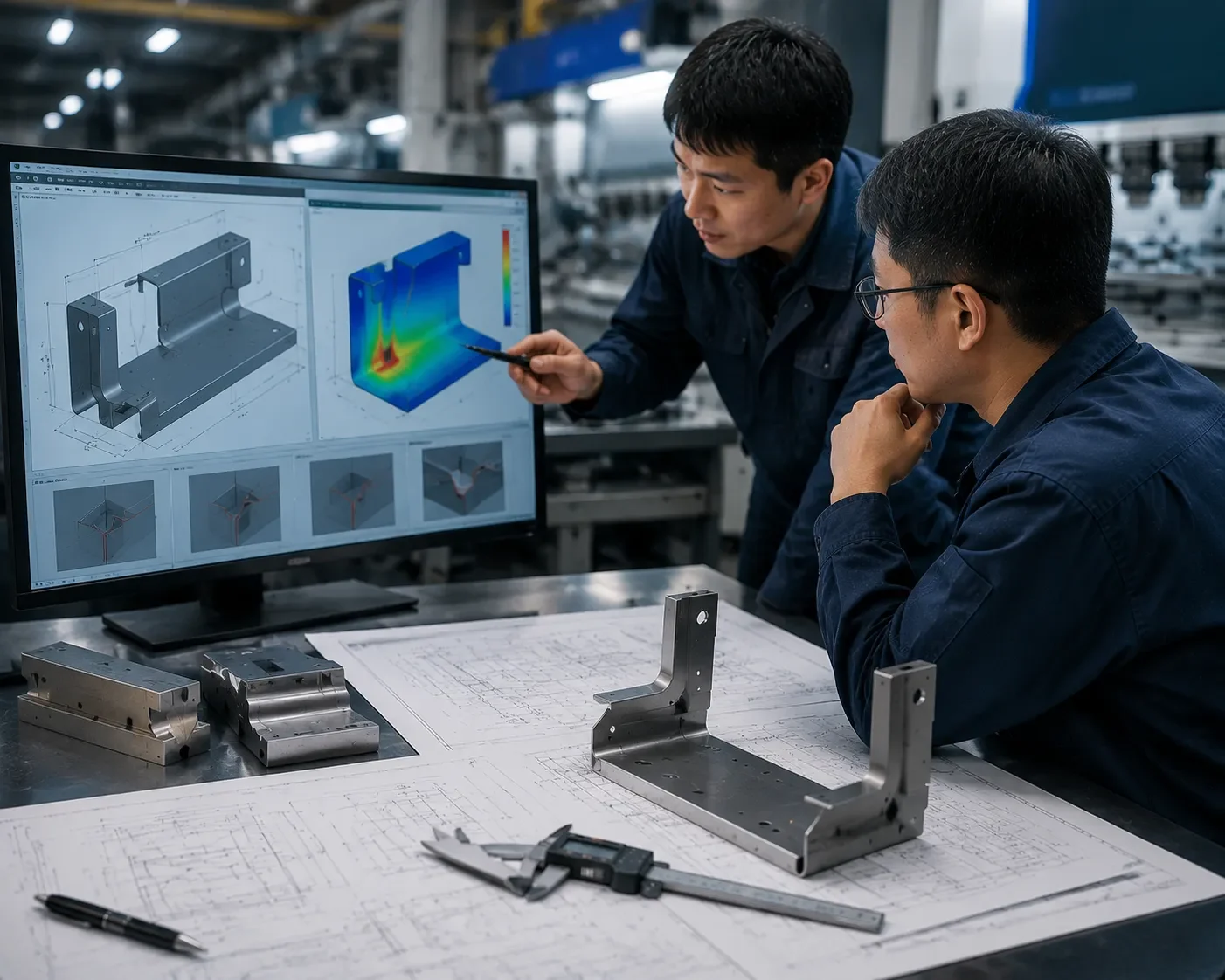
Poor Dimensioning
Unclear datum choices and conflicting tolerances force operators to guess design intent, leading to scrap, extra inspection, and unnecessary ECOs during setup.
Ignored Bending Physics
Neglecting K-factor, bend deduction, and springback results in inaccurate flat patterns, requiring time-consuming manual corrections or scrapped prototypes.
Tooling Mismatches
Designing with radii or features that clash with available press brake tooling causes custom tooling expenses, long lead times, and production bottlenecks.
Interference Risks
Overlooking hole-to-bend margins or flange clearance leads to distorted features and assembly collisions, creating major costs late in the process.
| Drawing Defect | Production Impact | First-Article Risk | CAMT Engineering Solution |
|---|---|---|---|
| Ambiguous dimensioning | Material scrap & repeated inspection loops | High | Tolerance stack-up review & clear GD&T alignment |
| Incorrect bend allowances | Flat pattern dimensional errors | High | K-factor correction & precision bend simulation |
| Non-standard radius specs | Tooling acquisition delays & higher unit costs | Medium | Standard punch & die radius optimization |
| Hole-to-bend clearance issues | Deformed features & assembly interference | Critical | 3D collision detection & relief notch adjustments |
Optimize Your Design Before Production Starts
CAMT engineers review your bending drawings, material specifications, and tooling requirements to identify risks early and deliver production-ready solutions.
Key Technical Parameters CAMT Evaluates
Our engineering team audits critical design specifications before production to catch hidden bending errors, streamline material behavior, and ensure high-yield manufacturing.
Dimensions & Tolerances
We review critical datums and stack-up press brake tooling tolerances to ensure parts align perfectly during assembly without causing post-bend binding.
Bend Parameters
Calculating precise K-factors, radii, and bend deductions aligns flat layout calculations with real-world press brake tooling.
Springback Compensation
We analyze material tensile response and yield behavior to compensate for angular springback before cutting and bending.
Flat Pattern Layout
We verify un-folded flat patterns to prevent edge distortion, hole deformation, or feature interference along bend lines.
DFM & Tooling Access
Design for Manufacturability audits confirm punch clearance, flange height minimums, and bend relief geometry.
Material Properties
We check alloy grade, gauge thickness, grain direction, and coating limits to prevent cracking during severe form angles.
Visual Markups
We provide color-coded CAD drawings and notes that highlight risk zones, suggested revisions, and shop-floor notes.
GD&T Alignment
Geometric dimensioning and tolerancing are normalized to international standards (ISO/ANSI) for clear manufacturing execution.
Streamlined Technical Validation by CAMT Engineers
Converting design intent into production-ready bend shop instructions requires practical engineering insight. By translating complex CAD geometry into verified shop-floor parameters before machine setup, CAMT minimizes sampling iterations and secures first-article accuracy for volume runs.
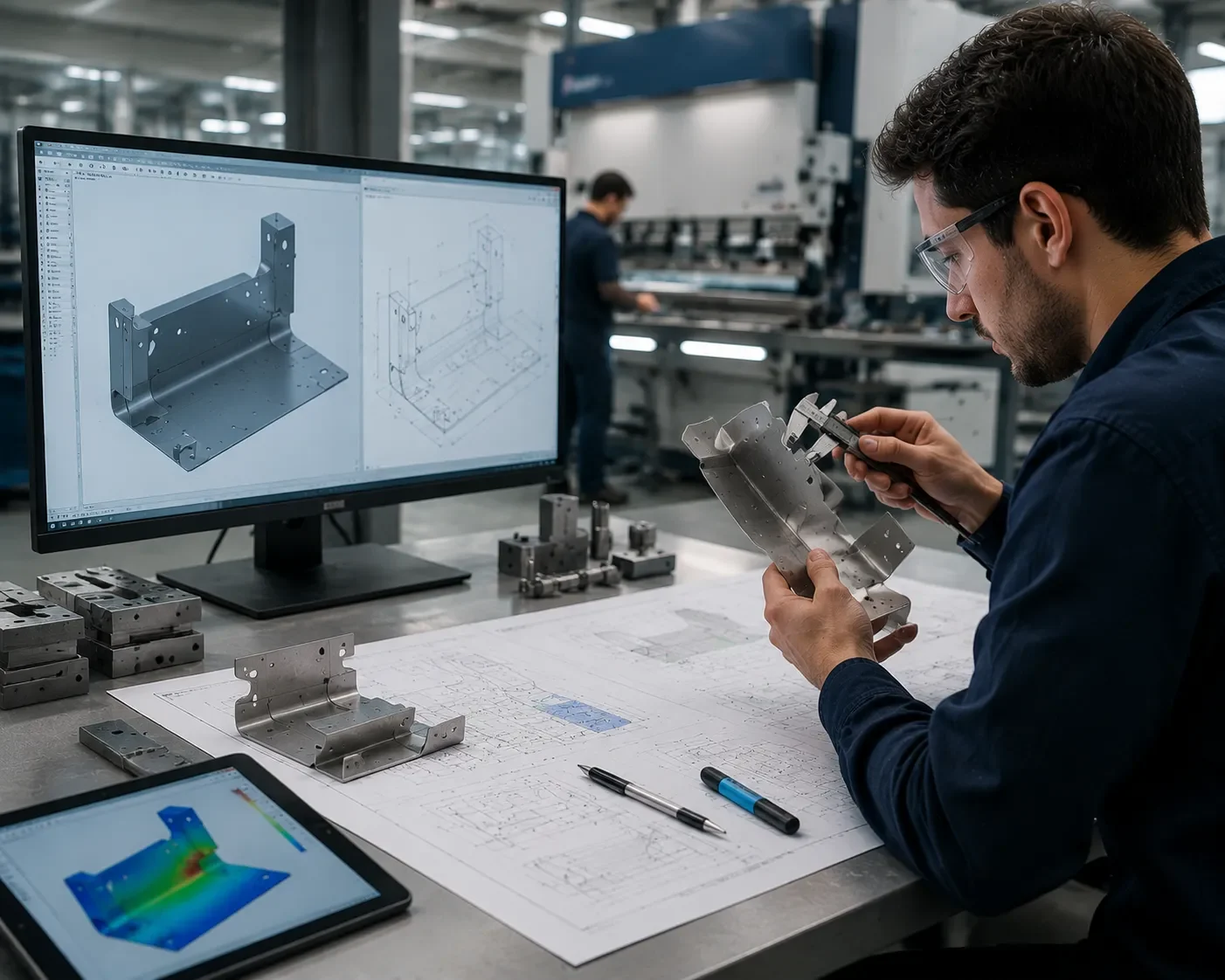
Structured 6-Step Review Workflow
For stainless-steel processing projects, CAMT follows a standardized DFM assessment process to refine sheet metal bend drawings, eliminate manufacturing bottlenecks, and guarantee seamless volume production.
Drawing & Data Submission
Upload your CAD files, flat patterns, and material specs for initial engineering intake and formatting checks.
Risk & Dimension Audit
Our engineers audit bend sequences, tolerance stacks, and springback risks to intercept potential shop-floor defects.
Feasibility & Tooling Review
Evaluate bend deduction, K-factors, flange clearances, and press brake tooling constraints for optimal manufacturability.
Markup & Optimization Report
Receive revised drawing suggestions with updated dimension callouts, bend notes, and actionable engineering recommendations.
Client Approval & Sign-Off
Review proposed adjustments with our technical team, align on design tweaks, and approve the final production-ready drawing.
Technical Alignment & Launch
Maintain direct communication during first-article fabrication with our technical support team to ensure seamless machine execution and zero trial loops.
Engineering Expertise Built for Mass Production
- Rapid Response: Receive actionable drawing evaluations without delaying project timelines.
- First-Pass Quality: Prevent costly rework by aligning CAD logic with real-world machine capability.
- Cost Reduction: Eliminate material waste and tooling modifications before production begins.
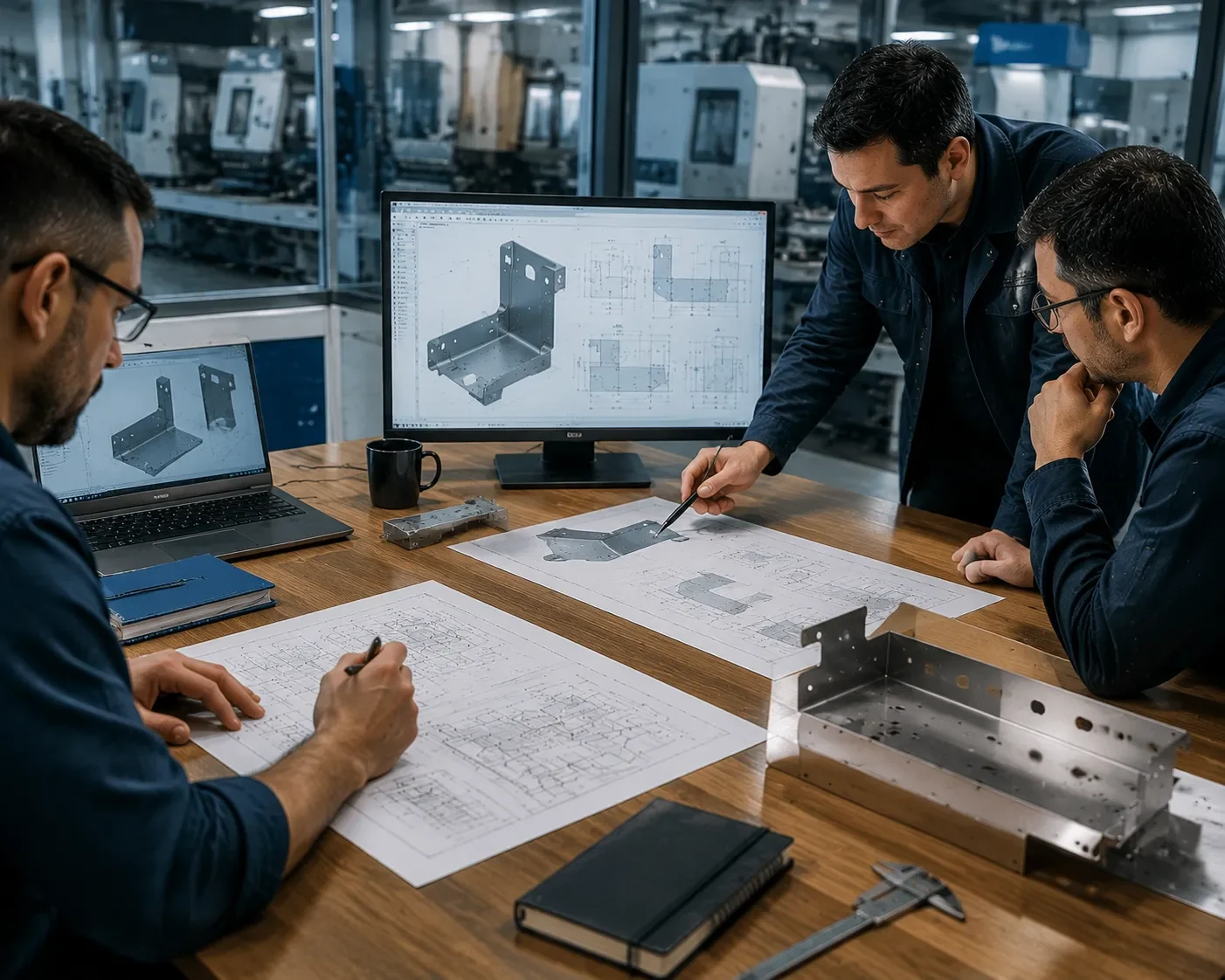
Eliminate Bending Errors Before Production Begins
See how CAMT's pre-production review transforms ambiguous bend drawings into actionable, highly predictable manufacturing plans. For related tooling selection guidance, review our how-to-choose-press-brake-tools guide.
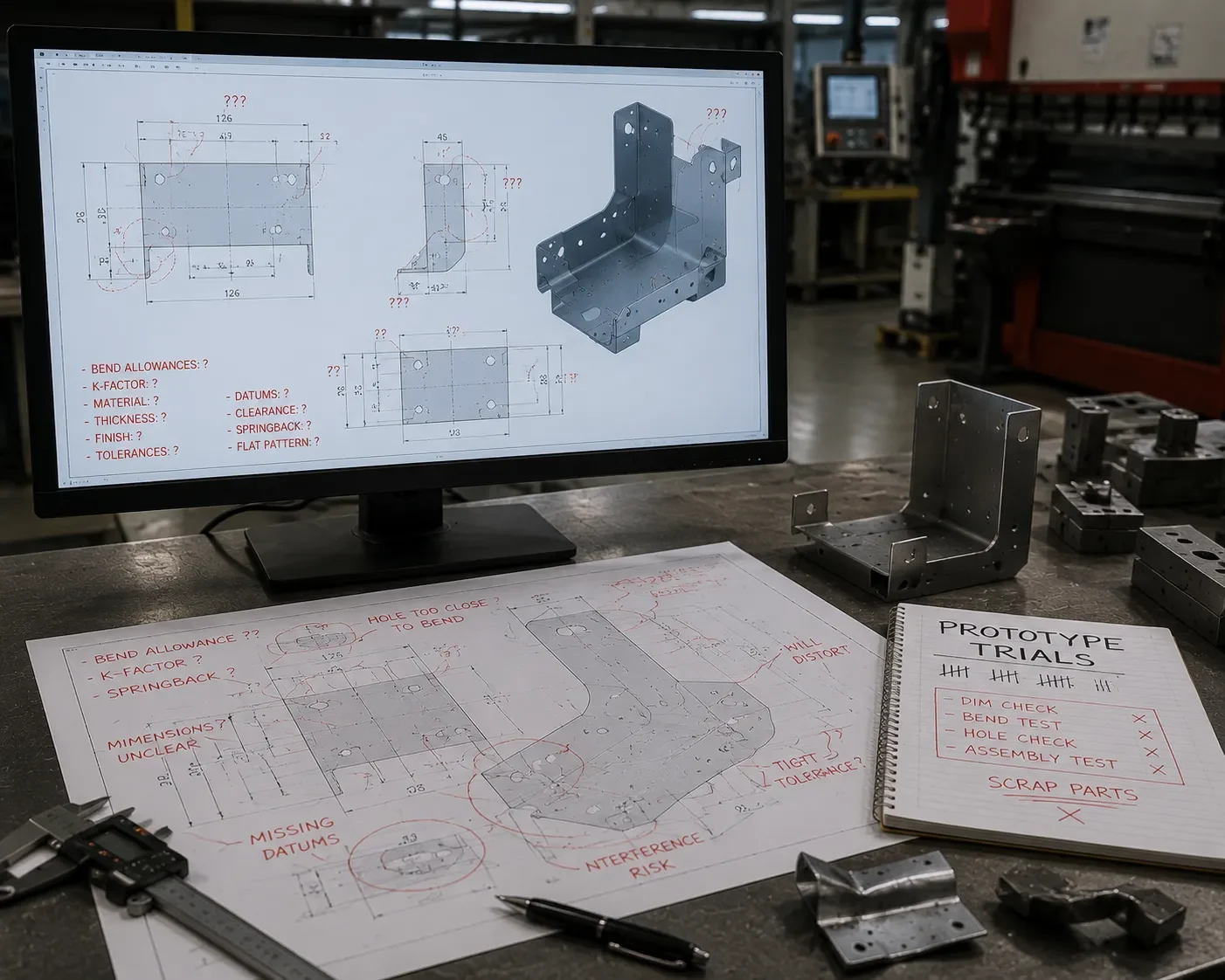
- Ambiguous dimensioning leads to shop-floor misinterpretation
- Uncalculated bend allowances and missing K-factor adjustments
- Hole-to-bend clearance conflicts causing part deformation
- Material springback unaddressed for tight-angle tolerances
- Multiple trial-and-error prototyping runs with high scrap rates
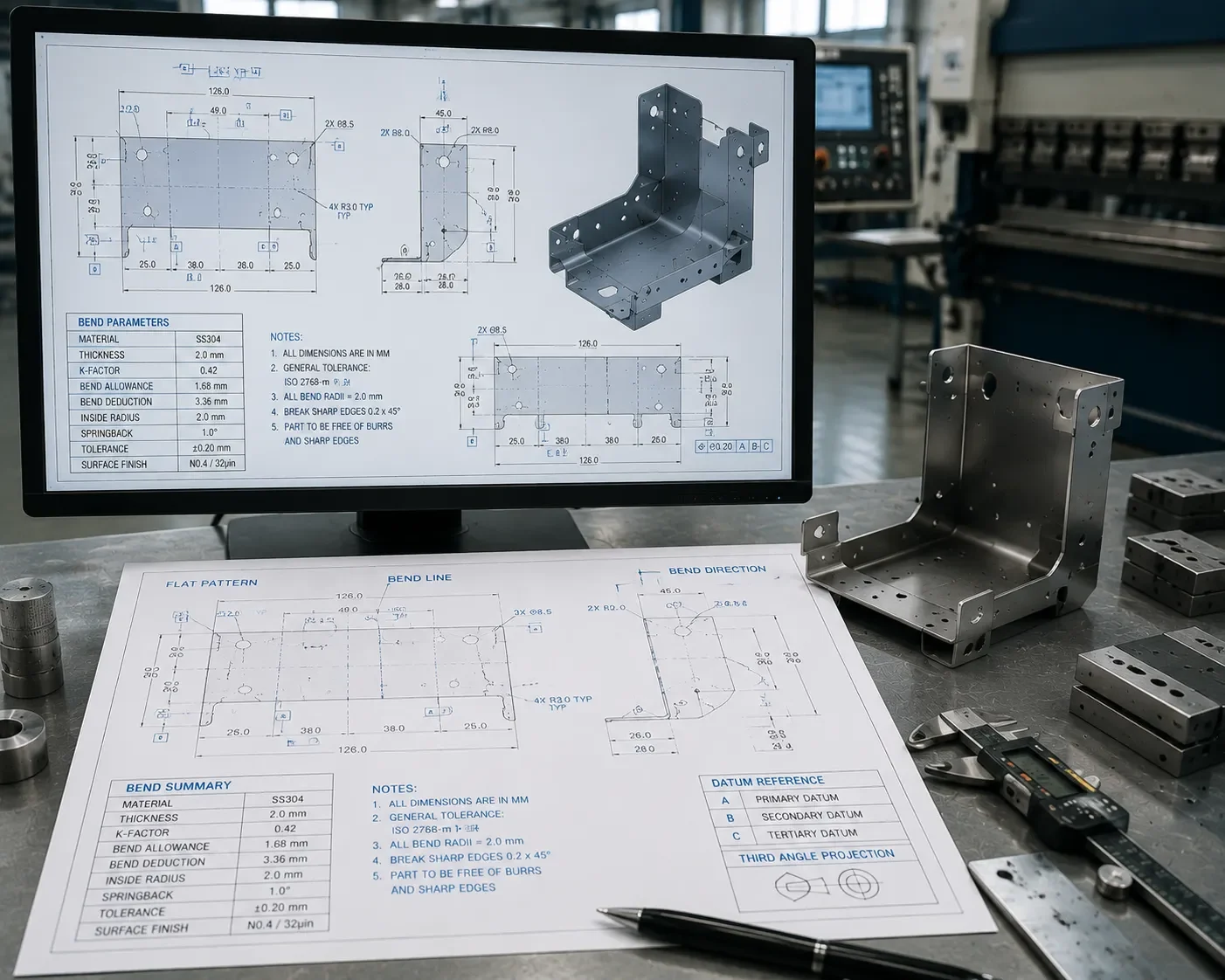
- Clear, standardized dimensioning logic for seamless operator execution
- Precise flat pattern calculations based on verified bend deductions
- Optimized feature relief to prevent distortion during bending
- Pre-calibrated springback offsets for material and thickness
- High first-article approval rate and ready for immediate volume production
What You Receive
Annotated Drawings
Revised 2D/3D drawings with updated bend sequences, corrected dimensioning, and clear shop-floor notes ready for release.
Risk Assessment Report
A prioritized item list highlighting manufacturing risks, severity levels, and specific modification guidance to prevent scrap.
Optimized Bend Parameters
Tailored technical values including K-factor, bend radius, and allowance calculations designed for your equipment setup.
60%
Reduction in sampling rounds
98%
First-article pass rate
2× Faster
Production onboarding speed
100%
Directly actionable engineering feedback
When to Optimize Bending Drawings
From pre-production prototyping to full-scale manufacturing, CAMT identifies hidden fabrication risks early—helping engineering teams reduce sample iterations and prevent costly shop-floor scrap. For teams evaluating products and fabrication workflows, this stage keeps design decisions aligned with production realities.
New Product Prototyping
Validate bend sequences and flat pattern layouts before producing physical prototypes to ensure first-article success without multiple trial runs.
- DFM check for bend radii
- Reduced sample iterations
Volume Production Ramp
Standardize dimensioning schemes and tolerance stack-ups so high-volume press brake operations maintain repeatable, reliable yields.
- Clear datum definitions
- Press brake tooling compatibility checks
Frequent Design Revisions
Eliminate ambiguity in revised drawings by resolving conflicting dimensions, hole-to-bend clearances, and unverified flange lengths.
- Revision & distortion control
- Lower misinterpretation risk
Material & Gauge Changes
Recalculate K-factors, bend deductions, and springback allowances whenever shifting material grades or sheet thicknesses.
- Accurate springback compensation
- Tooling compatibility checks
Tailored Optimization Across Complex Applications
CAMT translates abstract CAD models into production-ready bending blueprints. We bridge the gap between engineering intent and press brake realities with the right press brake punches for precision components across key industrial sectors.
Sheet Metal Parts
Optimized bend allowances and hole relief features for precise forming.
Custom Enclosures
Seamless corner alignment, door clearances, and IP/NEMA fitment check.
Structural Framing
Accurate notch profiles and heavy-gage bending sequence planning.
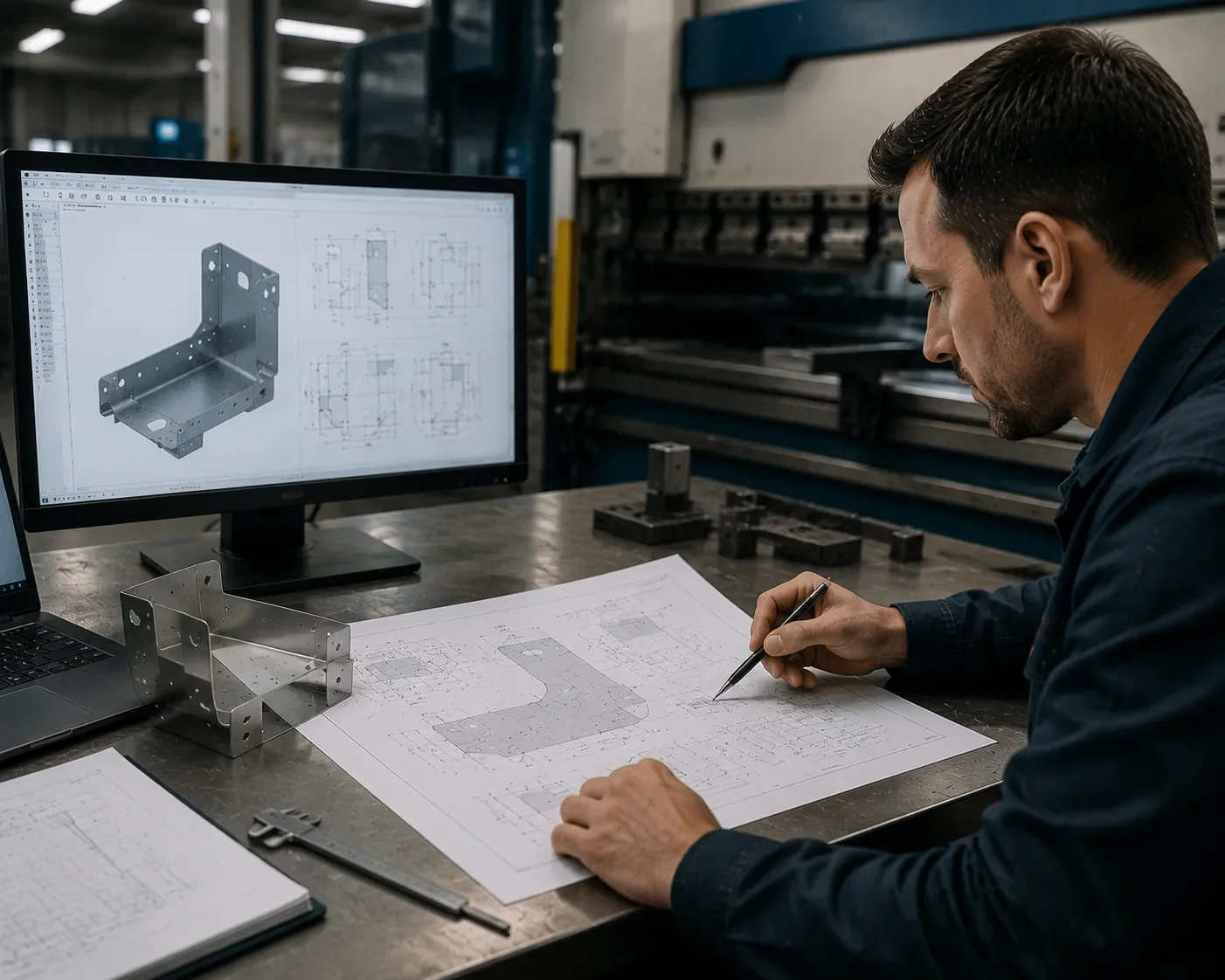
Engineering Excellence & Risk Mitigation
CAMT bridges the gap between design concepts and shop-floor reality with rigorous manufacturability reviews and traceable engineering standards.
Optimizing Sheet Metal Drawings for High-Yield Production
Our engineering team evaluates drawing revisions against real-world shop constraints. By auditing bend allowances, tolerance stacks, and tooling limits early, CAMT prevents costly press brake setup changes and secures seamless transition into volume manufacturing. For additional technical support, we help teams resolve design issues before release.
DFM & Shop-Floor Alignment
Reviewing dimensions and bend sequences against actual press brake parameters to eliminate production bottlenecks.
Proactive Defect Prevention
Identifying springback trends, hole deformation, and interference risks before the first piece is formed.
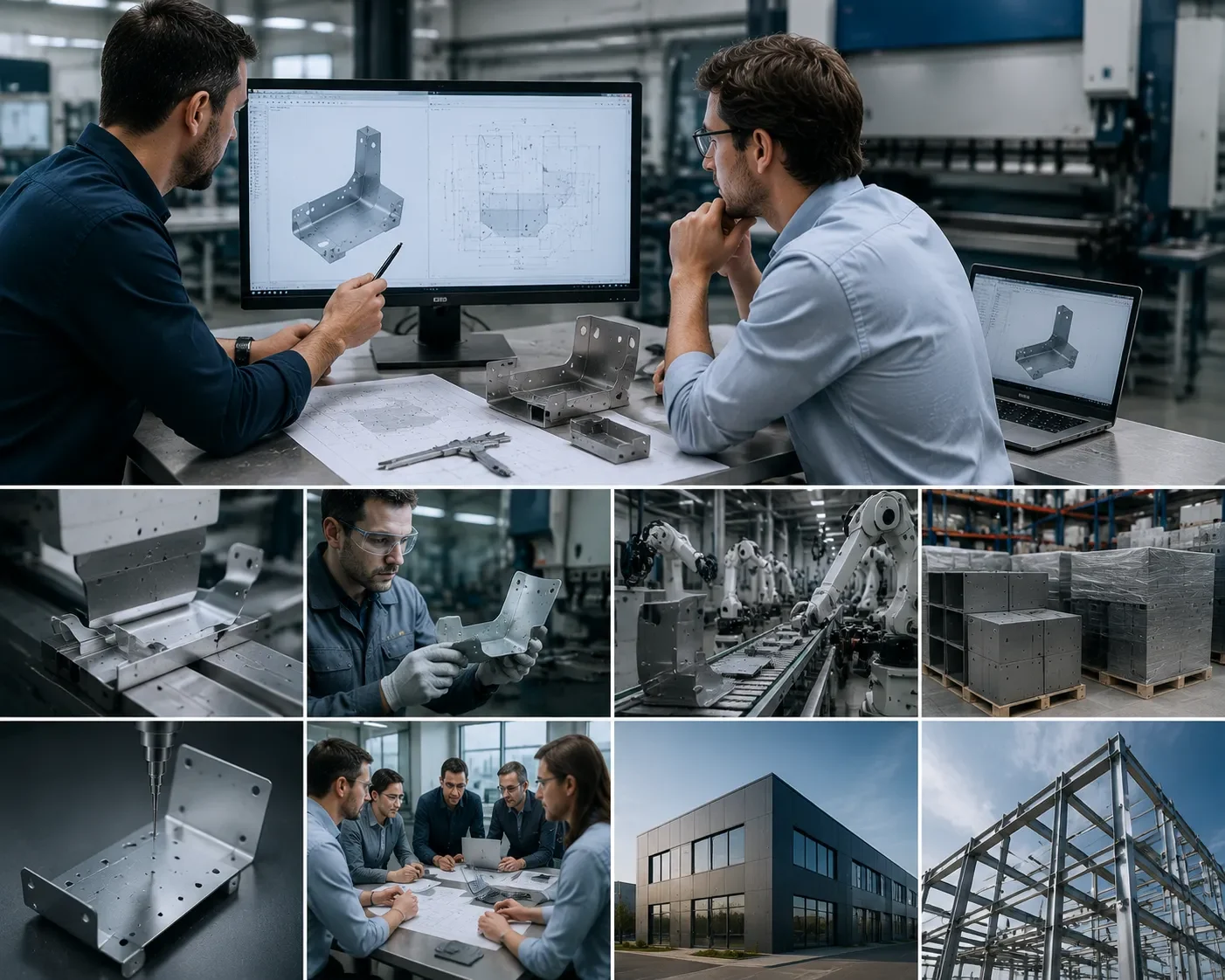
Clear Revision Rationale
Every suggested modification is backed by clear engineering logic and documented, giving your team actionable insights for internal engineering approvals.
- Marked-Up Revision Drawings
- Prioritized Risk Assessment
Production Consistency
Standardizing dimensioning logic and bend calculations reduces operator misinterpretation and ensures high first-article pass rates.
- Standardized Datum References
- Repeatable Bending Limits
Application-Driven Analysis
CAMT tailors drawing optimization recommendations directly to your specified sheet material, stock thickness, and downstream assembly requirements.
- Material Springback Checks
- Assembly Fit Optimization
Frequently Asked Questions
Clear answers about our drawing optimization process for products, required submission details, version control, and rapid engineering support.
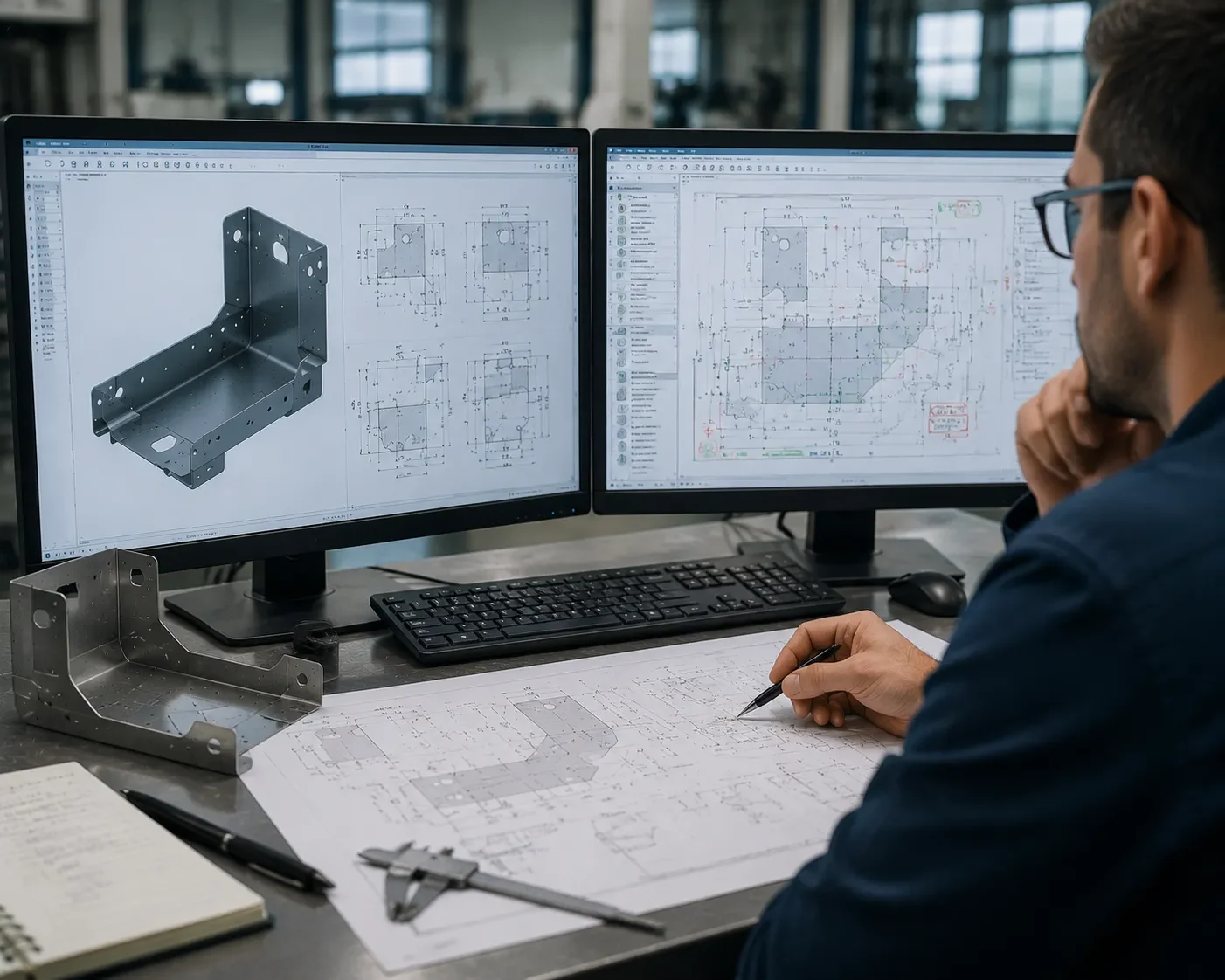
Do you directly modify our original files or provide revision recommendations?
What information should I include when submitting drawings for review?
How do you manage version control across multiple design iterations?
Will drawing optimizations alter the product's appearance or functionality?
At what stage in the project is drawing optimization most effective?
Can CAMT handle urgent drawing reviews for fast-track projects?
Verify Your Bending Drawings Before Production Begins
Submit your CAD files, material specifications, and production requirements. CAMT engineers evaluate bend feasibility, tooling compatibility, and manufacturing risks to help transform your design into a reliable production-ready solution.
Ready to Optimize Your Design?
Receive professional engineering feedback on drawing structure, bend sequence, tolerances, and press brake tooling requirements.
Why Choose CAMT Engineering Review?
- Fast Turnaround: Actionable feedback to reduce delays.
- Drawing Optimization: Improve bend logic and tooling compatibility.
- Production Reliability: Reduce rework before mass production.
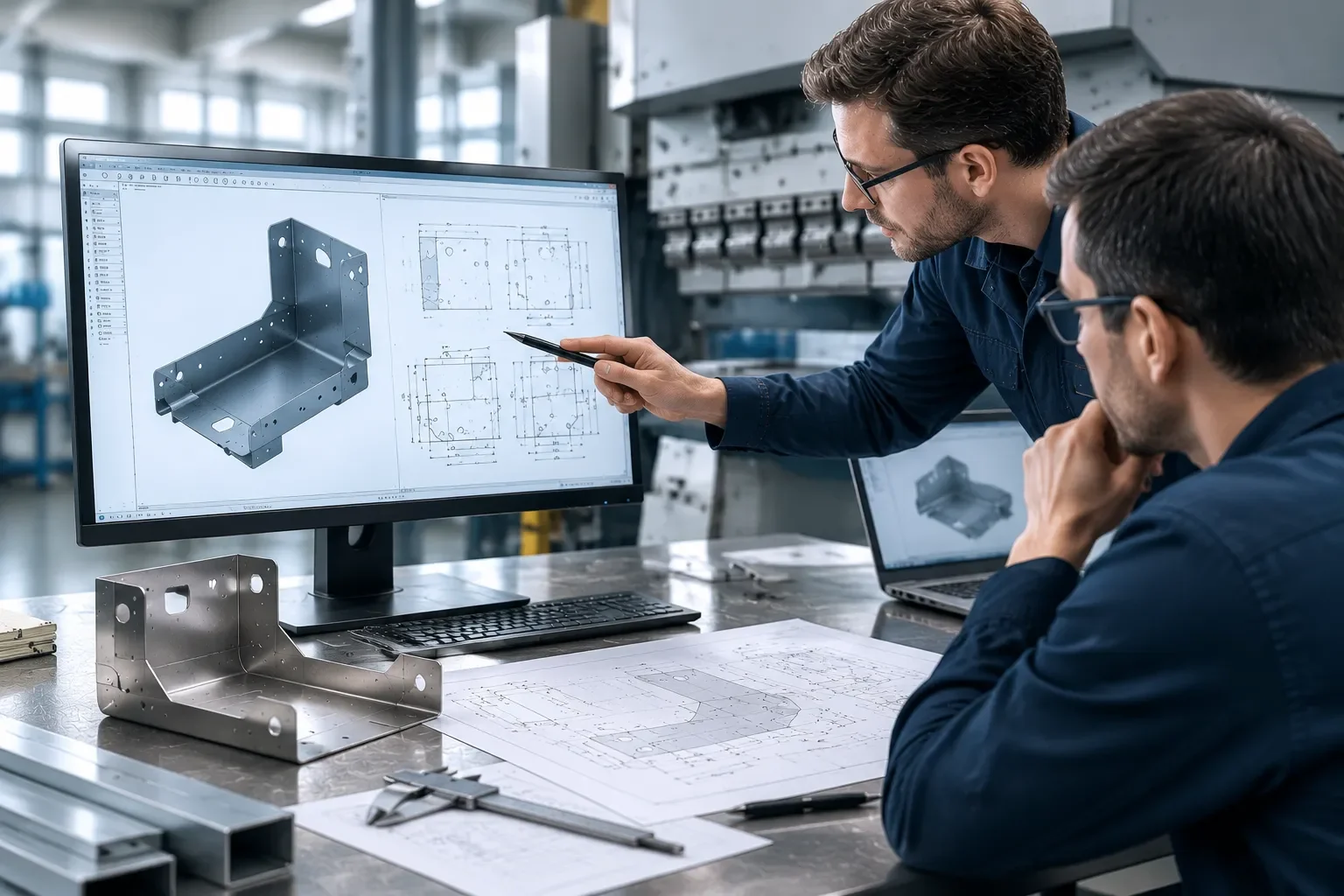
Direct Engineering Support
Discuss Your Application with CAMT Engineers
Get practical recommendations for complex forming challenges and custom tooling projects.