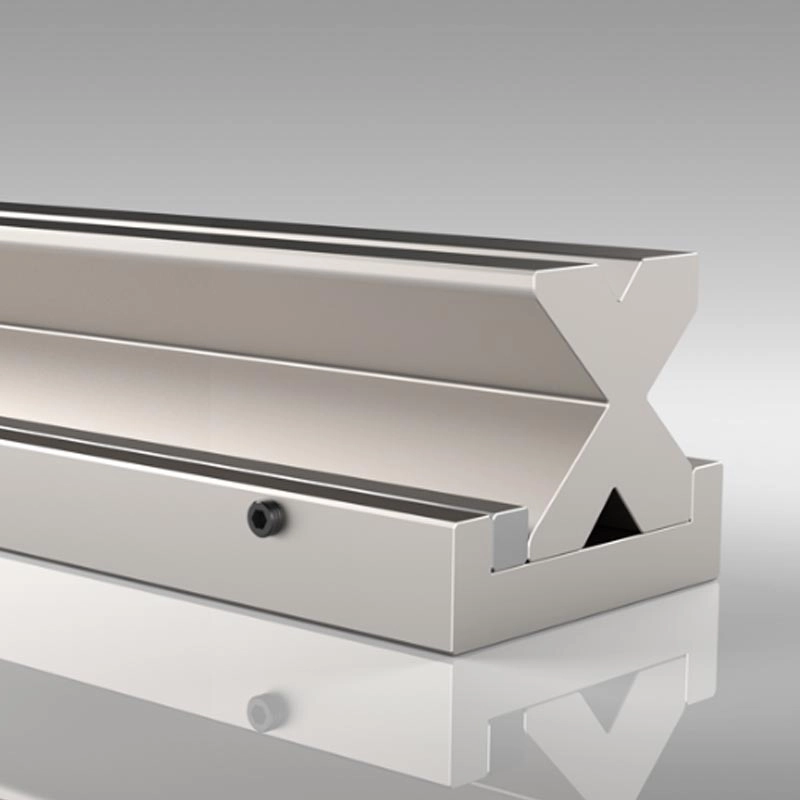

Precision Stainless Steel Bending Solutions
High-Durability Press Brake Tooling & Surface Protection Systems for Flawless Stainless Steel Processing
Trusted Partner for High-Precision Sheet Metal Fabrication
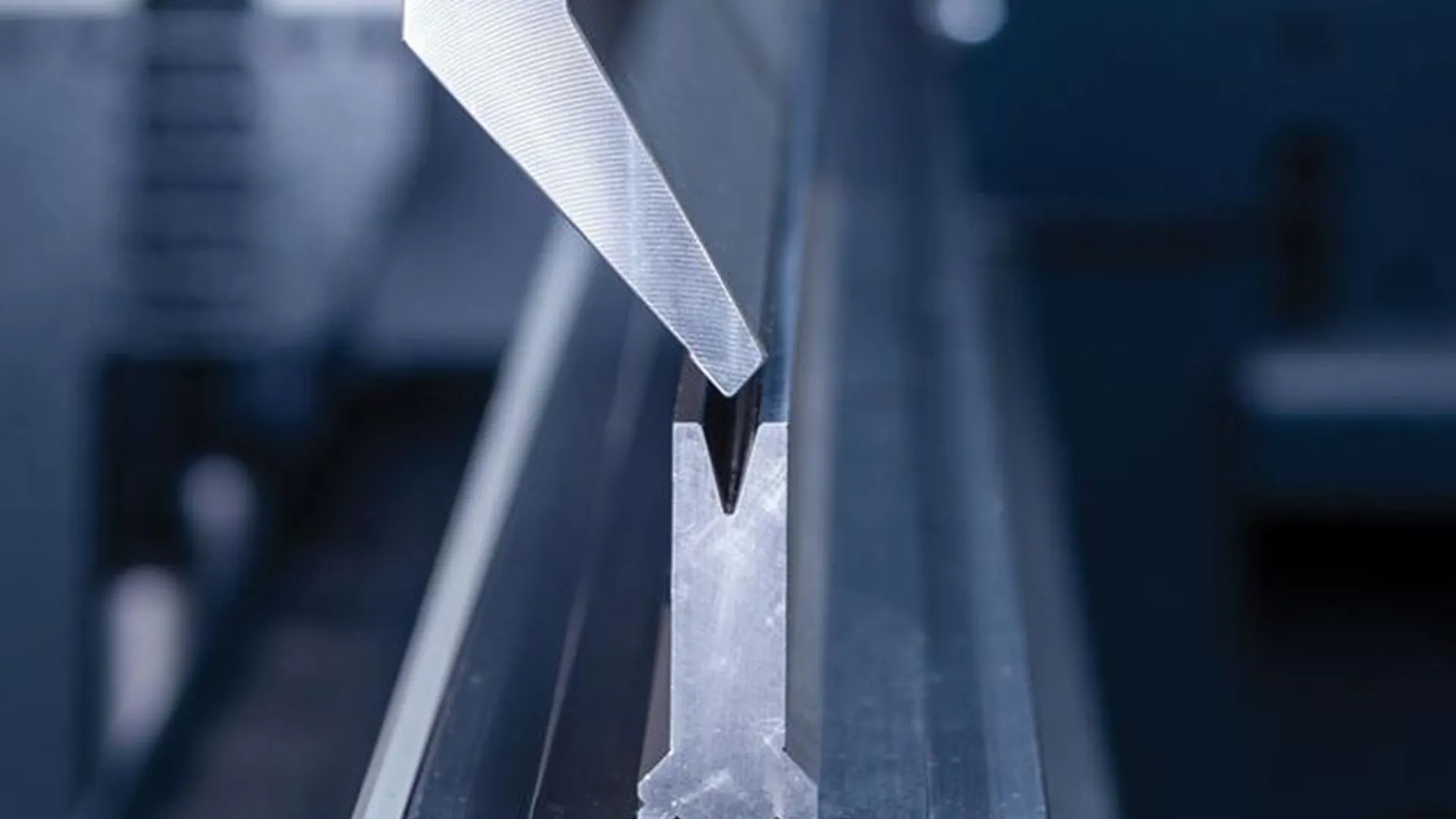
CAMT delivers high-performance CNC press brake tooling optimized to eliminate surface galling and overcome springback in stainless steel processing.
Core Challenges & Forming Requirements in Stainless Steel Bending
Stainless steel fabrication imposes high mechanical stresses that differ sharply from standard carbon steel sheet metal bending. Overcoming extreme springback, rapid die wear, and surface galling requires purpose-engineered press brake tooling and disciplined shop-floor process control.
Stainless Steel Bending Pain Points
Key shop-floor obstacles impacting bend accuracy and throughput
Higher tensile strength and rapid work-hardening characteristics make angular consistency difficult to maintain while drastically accelerating tool fatigue.
- High Springback: Yield strength variability demands precise springback compensation to hit tight angular tolerances.
- Surface Marring & Galling: Material pickup on die shoulders leaves unacceptable drag marks on cosmetic panels.
- Severe Tooling Wear: High contact pressure degrades standard press brake dies, compromising profile geometry.
- Sensitive Angle Tolerances: Minor sheet thickness variations result in noticeable bend angle discrepancies.
Tooling Requirements
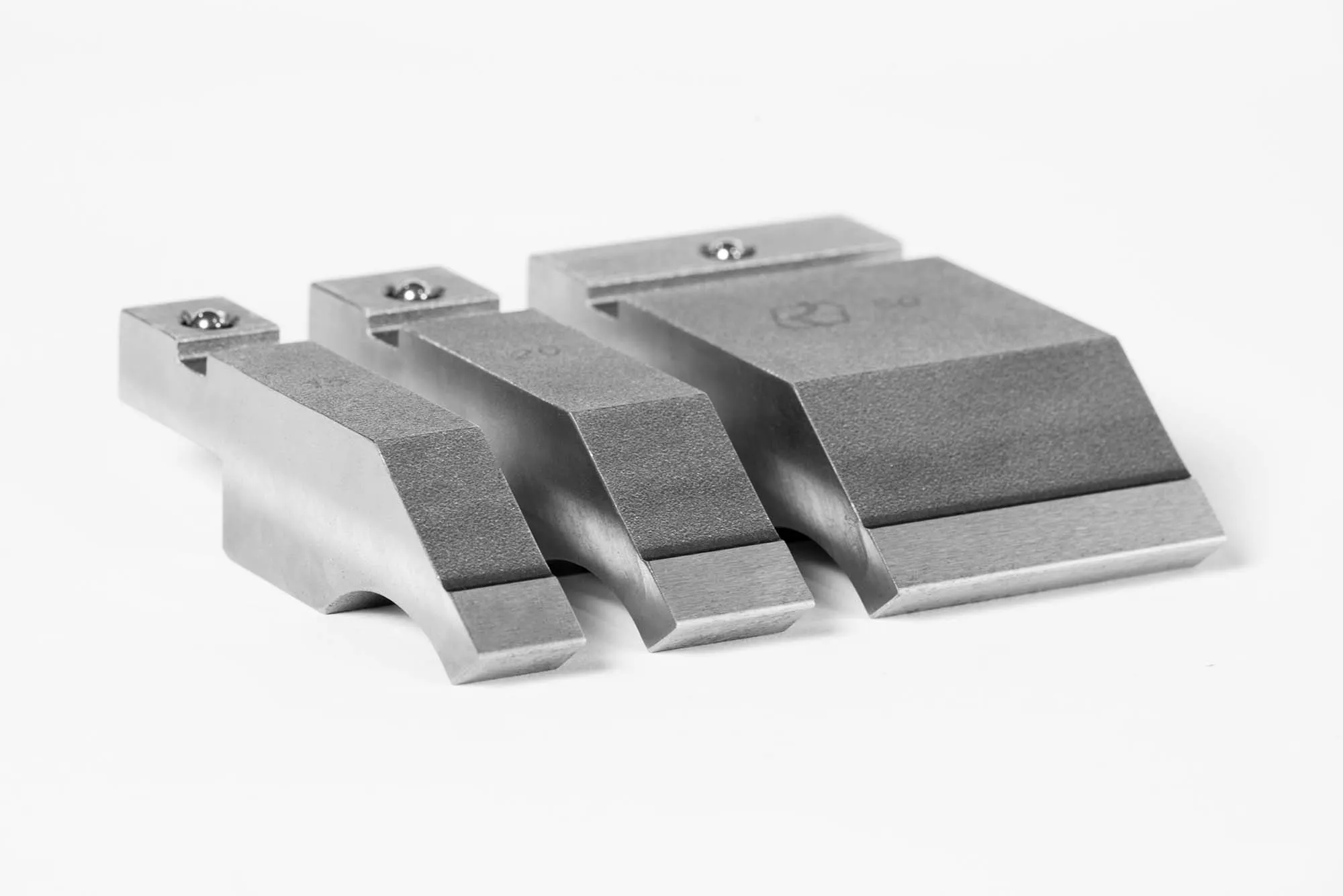
Requires high-grade tool steel with deep-case hardening, smooth radius polish, and exceptional dimensional stability in press brake punches.
Process Optimization
Demands larger V-die openings, optimal punch radii, and controlled bending speeds aligned with material thickness and temper.
End Product Quality Standards
Dedicated surface protection film or non-marking dies eliminate costly post-bend polishing.
Uniform inner radii prevent material micro-cracking along the bending line.
Stable tooling geometries ensure identical bend angles across large production series.
Bending Deformation & Contact Mechanics
Engineering Solution
CAMT leverages premium alloy steels, specialized heat treatment, and precision CNC grinding to build tooling engineered for stainless steel. Our products reduce friction, control springback, and extend tool life under demanding production conditions.
Recommended Press Brake Tooling for Stainless Steel Bending
Engineered specifically for high yield strength and tough work hardening. Select the right press brake tooling to eliminate surface marking, control severe springback, and extend tool service life.
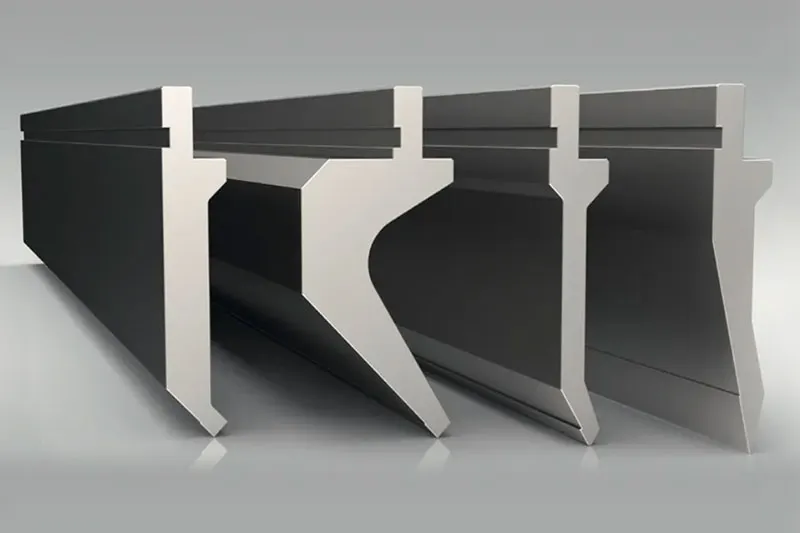
High-Hardness Bending Punches
Target User: High-volume fabrication shops processing severe abrasive stainless steel grades on continuous production runs that can also pair this choice with our press brake punches.
- ✓ Key Advantage: Premium deep-hardened tool steel engineered to resist high tonnage and severe tip wear.
- ✓ Resulting Benefit: Extends tooling life, minimizes punch tip deterioration, and reduces machine downtime.
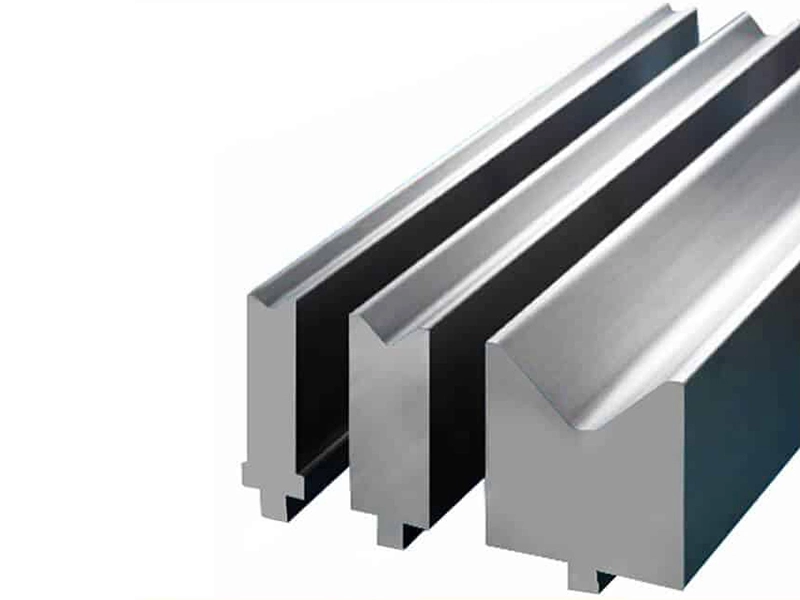
Precision V-Die Bottom Tooling
Target User: Sheet metal operators seeking exact bend angles across varying plate thicknesses and hardness levels.
- ✓ Key Advantage: Optimized V-openings with hardened shoulder radii to accommodate high-yield springback dynamics.
- ✓ Resulting Benefit: Substantially lowers die galling, mitigates press lines, and secures repeatable angle accuracy.
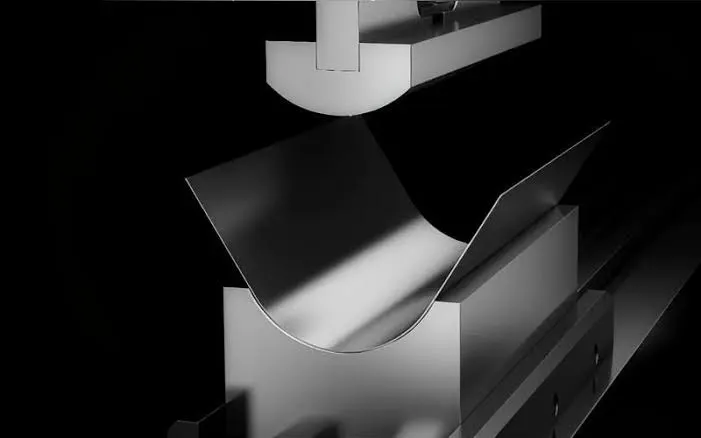
Smooth Radius Punches
Target User: Manufacturers crafting architectural features, commercial kitchenware, and medical enclosures.
- ✓ Key Advantage: Micro-milled, mirror-finish tip profiles engineered for smooth, crack-free bend transitions.
- ✓ Resulting Benefit: Prevents stress fractures in tough alloys while delivering a pristine, mark-free surface appearance.
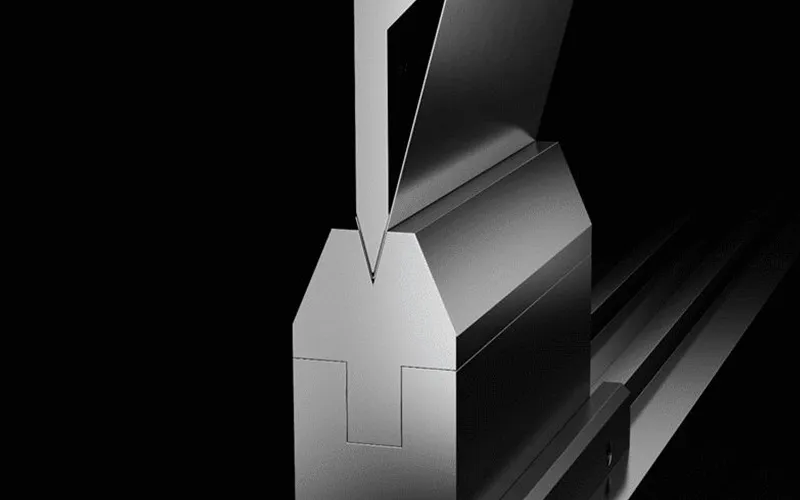
Gooseneck & Offset Punches
Target User: Precision press brake operators producing deep channels, returns, and tight U-profiles can also compare our Gooseneck Punches for complex bend clearance.
- ✓ Key Advantage: High-clearance throat relief geometry engineered specifically for complex, multi-bend sequences.
- ✓ Resulting Benefit: Prevents workpiece collision and deformation in space-restricted bending paths.
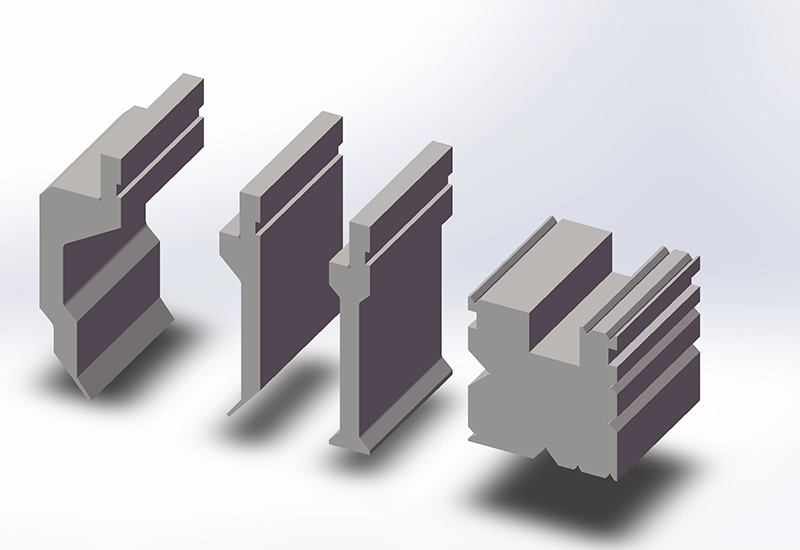
Hemming & Flattening Tools
Target User: Production teams creating safe edge seams, structural flanges, and smooth panel finishes.
- ✓ Key Advantage: Specialized two-stage pre-bend and flattening action engineered for stiff stainless steel.
- ✓ Resulting Benefit: Delivers tight, burr-free safety edges with zero cracking or uneven surface distortion.
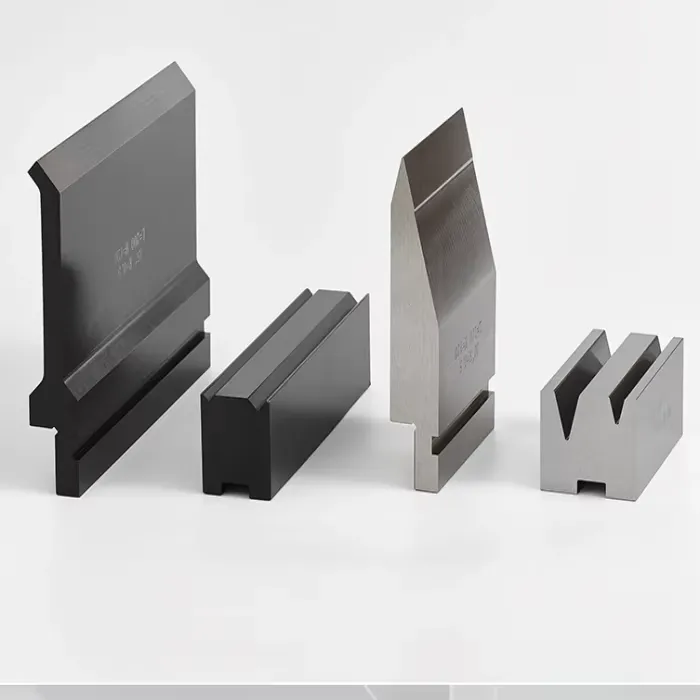
Custom Bending Tools
Target User: Tooling engineers working with specialized sheet thicknesses or non-standard drawing profiles.
- ✓ Key Advantage: Custom-ground geometries and specialized heat treatments tailored precisely to your part drawings.
- ✓ Resulting Benefit: Solves non-standard forming challenges while optimizing press tonnage distribution.
Need Technical Support for Your Stainless Bending Applications?
CAMT provides both standard precision dies and custom-engineered tooling tailored to your production demands. Our technical team evaluates your material thickness, surface finish requirements, and part drawings to recommend the optimal, cost-effective setup.
Stainless Steel Sheet Selection Reference & Process Matching
A practical tooling decision guide for engineering and procurement teams—match your sheet thickness, surface finish, and batch requirements to the optimal press brake tooling configuration.
| Selection Dimension | Scenario | Tooling / Parameter Guidance |
|---|---|---|
| By Thickness | Thin sheet (< 1.5 mm) | Narrow V-opening (6–8×T); sharp-radius punch to control springback and maintain precise angles. |
| Medium plate (1.5–4 mm) | Standard V-opening (8×T); punch radius ≥ 1×T; hardened tool steel dies to prevent galling. | |
| Heavy plate (> 4 mm) | Wide V-opening (10–12×T); larger punch radius to prevent cracking under high tonnage. | |
| By Surface Finish | Mirror finish | Polyurethane-coated V-grooves or non-marking protective cloth; controlled press speed. |
| Brushed finish | Align bend line with grain direction when possible; use nylon die inserts to avoid marking. | |
| Standard (2B / No.1) | Precision-milled hardened tool steel; focus on wear resistance and die radius integrity. | |
| Film-laminated sheet | Use dies with generous shoulder radii to ensure smooth material draw without tearing PE film. | |
| By Forming Target | Sharp angle bends | Acute punches (30°/45°); program over-bending allowances to offset material recovery. |
| Radius transitions | Dedicated radius punches matching print specs; multi-step bump forming for wide radii. | |
| Hemming | Two-stage setup: acute pre-bend followed by flat flattening die for clean seam closure. | |
| Edge folding | Gooseneck punch profiles for return-flange clearance; verify minimal flange height ≥ 3×T. | |
| By Production Volume | Small-batch prototyping | Segmented universal tooling setups to maximize flexibility and reduce initial tooling costs. |
| Stable batch runs | Dedicated tool sets with standardized height offsets for rapid setup and high repeatability. | |
| High-frequency production | Premium vacuum heat-treated tool steel (HRC 58–62); scheduled inspections to maintain precision. |
Key Selection Tips
- Prioritize surface protection: Use non-marking die inserts or protective tape on mirror and brushed sheets to eliminate secondary polishing.
- Maximize die longevity: For high-tensile stainless steel, specify deep-hardened tool steel to prevent premature die wear and pitting.
- Mind the bend radius: Stainless steel work-hardens rapidly—maintain a inside bend radius of at least 1×T to avoid outer-wall cracking.
- Film-laminated handling: Ensure protective PE film remains intact during bending; strip film only after final assembly or welding.
Get Parameter Recommendations from CAMT
Send us your part drawings, material specs, and surface criteria. CAMT application engineers will recommend precise V-openings and tooling geometries to eliminate trial-and-error.
Industry Solutions & Applications
Typical Application Scenarios for Stainless Steel Processing
CAMT engineers specialized press brake tooling solutions that overcome high springback, prevent surface galling, and deliver repeatable accuracy across diverse fabrication sectors.
Electrical Enclosures & Cabinets
Common Parts: Control boxes, switchgear panels, junction enclosures
Achieve clean exterior faces and tight seam alignment during stainless steel enclosure bending, using precision dies and mark-free press brake tooling that prevent die-marking on brushed or coated sheet.
Kitchen & Commercial Equipment
Common Parts: Countertops, exhaust hoods, commercial sinks, display units
Ensure rigid edge stability, uniform radius profiles, and high-efficiency hemming operations with the right press brake punches for corrosion-resistant food prep surfaces and commercial appliances.
Food & Medical Processing
Common Parts: Processing tanks, sterilizers, surgical trays, pharmaceutical skids
Meets ultra-strict sanitary requirements for food equipment stainless steel processing, preserving smooth surface purity and eliminating tool-to-workpiece contamination.
Architectural Stainless Elements
Common Parts: Facade cladding, decorative trim, elevator interiors, handrails
Specialized architectural stainless bending tooling maintains flawless mirror or satin finishes while guaranteeing precise angle consistency across long production runs.
Industrial Guards & Housings
Common Parts: Safety shields, heavy machinery covers, generator enclosures
Engineered for high-tonnage stainless steel housing forming, utilizing heavy-duty, wear-resistant tool steel to withstand continuous, abrasive bending cycles.
Custom Structural Components
Common Parts: Multi-bend chassis frames, heavy brackets, deep U-channels
Designed for complex bending sequences, high return-flange clearance, and custom radius profiles with gooseneck punches according to demanding engineering drawings.
Need Custom Stainless Steel Forming Tooling?
Send us your drawings, material grades, and bend specifications for a tailored press brake tooling solution.
Design, Manufacturing, and Quality Control Process
CAMT turns complex stainless steel processing needs into practical delivery solutions through drawing optimization, custom development, and technical support.
Drawing Review
We thoroughly review your part designs to evaluate material grade, sheet thickness, bend angles, surface protection needs, and critical tolerance standards.
Customer Input: Provide 2D/3D CAD files, stainless steel grade, sheet thickness, and surface protection requirements.
Solution Optimization
Our engineers optimize V-die openings, punch radii, and profile geometries to minimize springback, prevent surface galling, and lower required tonnage with the right press brake tooling.
Customer Input: Share press brake tonnage limits, clamping system type, and forming sequence constraints.
Precision Manufacturing
Using premium tool steel, advanced heat treatment, precision CNC machining, and micron-level grinding, we build dies engineered for high-wear resistance.
Customer Input: Confirm preferred tool steel hardness levels, coating options, or target production lifespans.
Sample Validation
We conduct rigorous trial testing to verify springback behavior, inspect bend accuracy, evaluate surface finish, and eliminate press marks.
Customer Input: Review test sample reports, confirm bend angle tolerances, and approve cosmetic quality.
Batch Delivery
We offer full OEM and ODM production with fast global delivery, secure protective packaging, and ongoing technical support for high-volume bending operations.
Customer Input: Provide order quantities, packaging specifications, and preferred shipping schedules.
Ready to Optimize Your CNC Machining & Bending Operations?
Partner with CAMT to streamline your manufacturing process. Our technical team works directly with your engineering specifications to ensure precise die geometric alignment, durability through heat treatment, and reduced scrap rates. Explore our press brake punches for specialized forming applications.
Why Choose CAMT as Your Stainless Steel Tooling Partner
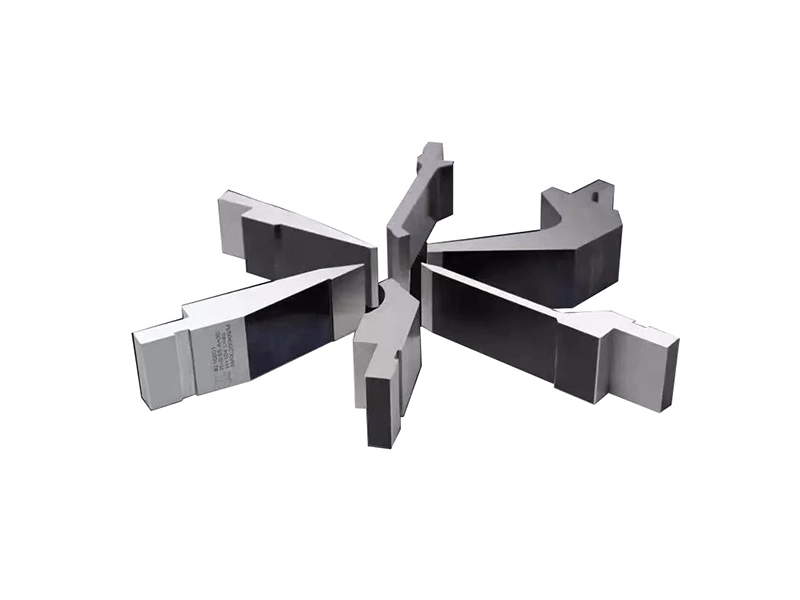
Bending stainless steel demands exceptional material hardness, strict tolerance control, and active surface protection. CAMT provides precision press brake tooling, custom engineering, and dependable global delivery to keep your sheet metal operations running efficiently with minimal rework.
Engineered for High-Wear Bending Solutions
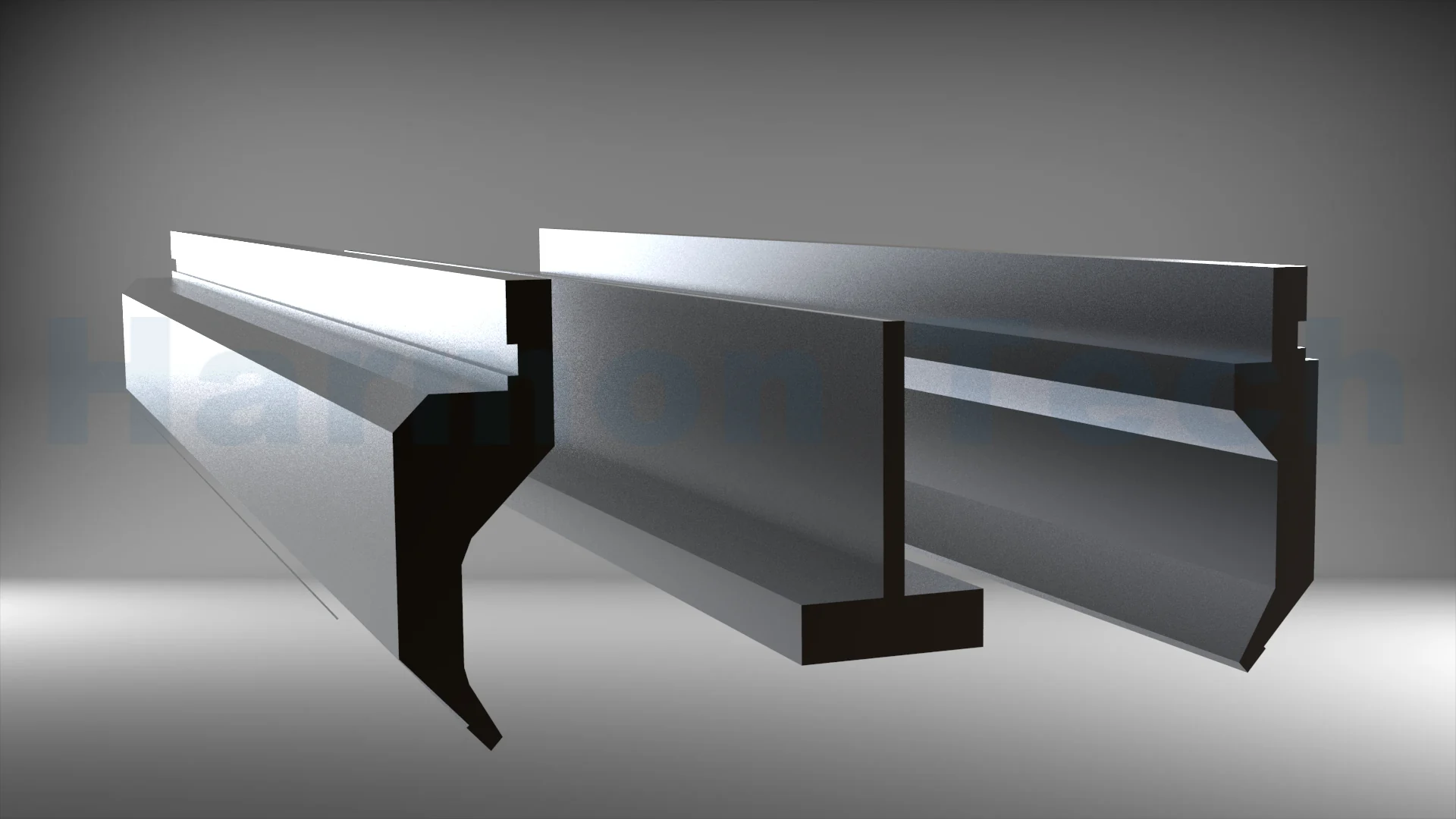
Maximize press uptime and secure repeatable angle precision across every stainless steel batch.
High-Hardness Tool Steel
Formulated to resist severe friction and galling during intensive stainless steel bending cycles.
Controlled Heat Treatment
Deep core hardening processes enhance tensile resistance against structural chipping under heavy tonnage.
Ultra-Precision Grinding
Smooth working radii minimize contact drag, reducing surface scratching on brushed or mirror-finish sheets.
High-Precision CNC Machining
Strict dimensional accuracy supports complex custom press brake punches profiles and precise sectional tool alignment.
OEM & ODM Customization
Direct engineering support tailored to specific sheet thicknesses, bend radii, and drawing parameters, including custom offset punches for specialized applications.
Global Export & Fast Delivery
Structured export logistics ensure prompt order processing and predictable arrival for tight project schedules.
Frequently Asked Questions
Clear technical insights on stainless steel bending, tooling selection, surface protection, and custom manufacturing solutions.
Why does stainless steel bending create press marks more easily?
Stainless steel requires higher tonnage and yields stronger contact pressure along the V-die shoulders. This intense friction causes severe dragging and cosmetic die lines. CAMT supplies specialized large-radius dies and smooth-ground press brake tooling profiles to significantly reduce surface friction. Send us your project details for tailored protection recommendations.
How do I choose the V-die opening based on thickness?
Standard air bending for stainless steel generally uses a V-opening equal to 8 to 10 times sheet thickness (8-10 x t) to balance required tonnage and springback. Thicker plates or tighter radius requirements may alter this baseline. Contact CAMT with your material grade and thickness for a precise tooling recommendation.
How can mirror-finish stainless steel reduce surface scratches?
Protecting high-polish surfaces requires a combination of protective film, non-marking urethane die covers, or large-radius wing dies that eliminate drag. CAMT configures complete non-marking tooling setups to safeguard delicate cosmetic sheet metal during production.
Are high-hardness dies always better for stainless steel?
Not necessarily. High surface hardness resists wear, but extreme hardness without adequate core toughness leads to chipping under peak bending forces. CAMT utilizes premium alloy tool steels with deep heat treatment to ensure the ideal balance between wear resistance and structural toughness.
Can custom punches and dies be made from drawings?
Absoutely. CAMT specializes in custom CNC press brake tooling engineered directly from your CAD files, part drawings, or physical samples, ensuring complete compatibility with your press brake system and target profiles.
How are lead time and minimum order quantity confirmed?
Standard tooling sections ship rapidly from stock, while engineered custom dies feature fast-track manufacturing cycles. MOQs are flexible to accommodate both prototype evaluation and high-volume production. Share your drawings with CAMT for an instant lead time estimate.
Need Specific Selection Guidance?
Send us your component drawings, sheet thickness, and surface finish requirements. CAMT engineers will evaluate your process and recommend the optimal tooling setup.