

Sheet Metal Fabrication Tooling for Accurate, Repeatable Bending
CAMT provides precision press brake tooling engineered for modern sheet metal workshops. Match various sheet materials, tight radii, and complex profiles with tooling designed for long-term consistency and high-volume reliability.
Trusted by Sheet Metal Workshops Worldwide
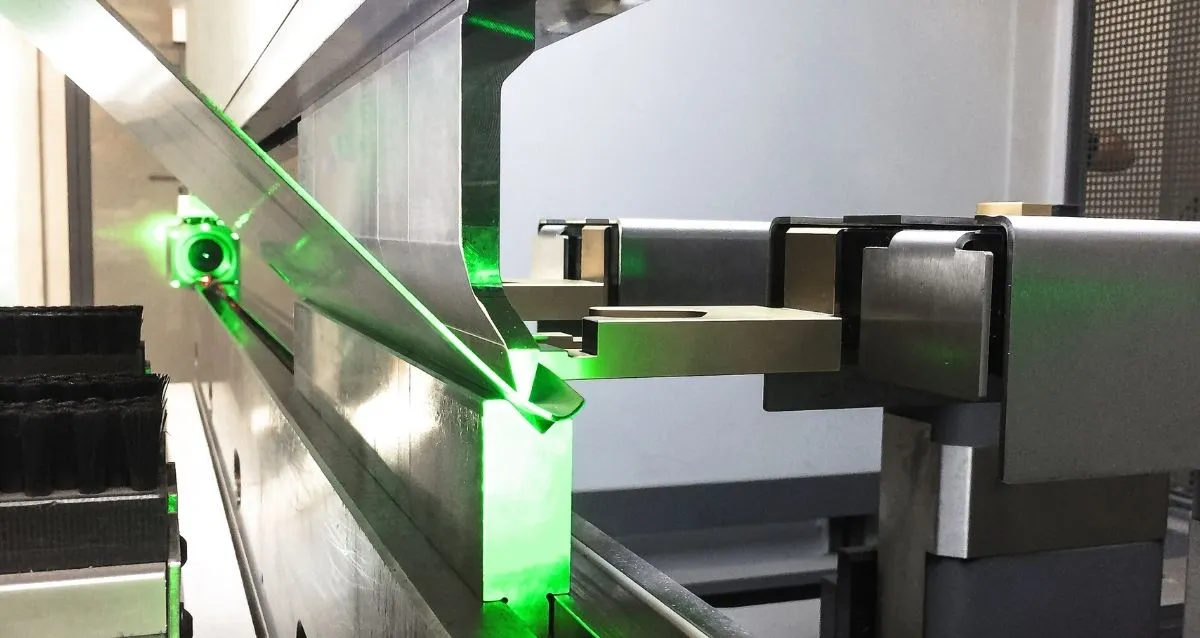
Common Bending Pain Points in Sheet Metal Workshops
Maintaining high fabrication efficiency requires overcoming everyday press brake tooling problems and process instability.
Core Bottlenecks Impacting Bending Accuracy
Metal fabricators face constant pressure to deliver precise parts quickly. Unplanned downtime and tooling wear severely compromise throughput.
- 01
Inconsistent Bend Angles
Variations across batches force operators to perform manual adjustments, lowering overall repeatability.
- 02
Rapid Tooling Wear
Accelerated wear degrades surface quality and causes critical dimension shifts during long production runs.
- 03
High-Mix Setup Delays
Frequent switching between small-batch orders creates long changeover times and reduces shop capacity.
- 04
Material & Springback Variations
Fluctuating sheet metal thicknesses and material grades make consistent process control difficult to maintain.
How CAMT Eliminates Process Variation
CAMT helps sheet metal workshops reduce variation by matching press brake tooling geometry and hardness directly to your actual bending workload.
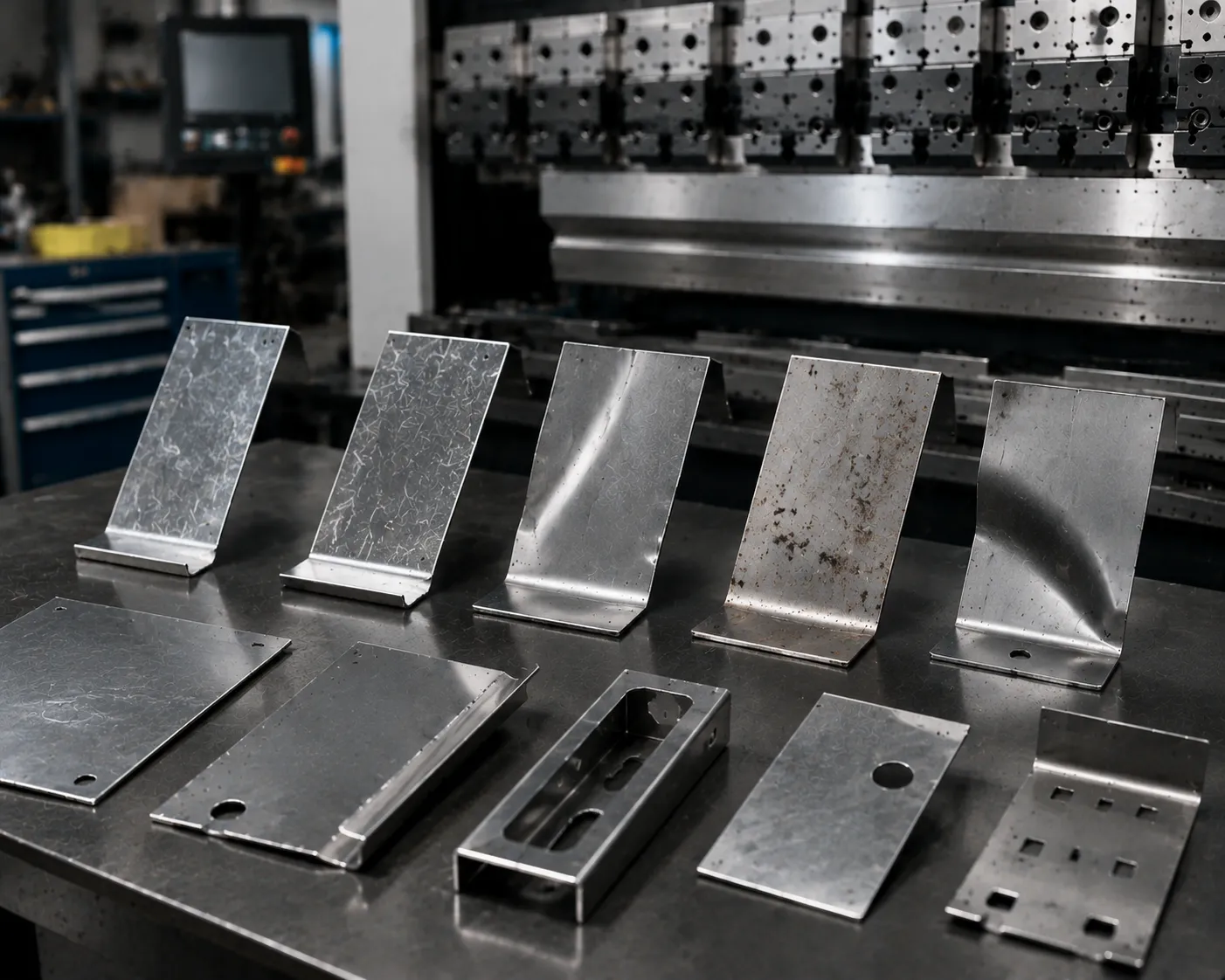
Inaccurate initial bends require secondary correction, consuming extra labor hours.
Unplanned downtime and frequent tool adjustments reduce daily press brake volume.
Complex setup requirements and process instability stall order fulfillment.
Out-of-spec dimensions lead to discarded raw materials and squeezed profit margins.
Common Press Brake Tooling Combinations for Sheet Metal Fabrication
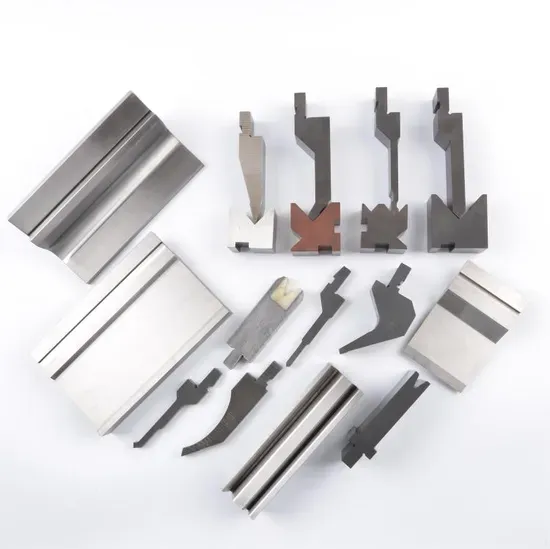
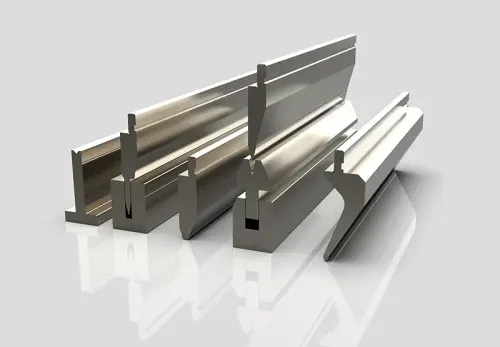
CAMT manufactures a complete lineup of precision press brake tooling products tailored for everyday job shop production and specialized metal forming tasks. Pair the right punches and dies to your equipment to maximize bending accuracy, protect workpiece finishes, and boost overall shop efficiency.
Press Brake Punches
Versatile top tooling engineered for standard air bending, profile forming, and multi-angle processing across various sheet alloys.
V Dies
The workhorse of industrial bending, providing reliable material support and precise angle consistency across diverse plate thicknesses.
Gooseneck Punches
Relieved-geometry punches engineered to prevent clearance collisions when forming deep return flanges, box sections, and U-channels.
Radius Punches
Precision-ground tooling designed for large-radius forming, smooth curved transitions, and cosmetic-critical sheet applications.
Offset Punches
Dual-action specialty tooling built to execute tight Z-bends and stepped offset geometries in a single stroke.
Hemming Tools
Two-stage tooling combinations that pre-bend and flatten sheet metal edges for enhanced structural rigidity and safe handling.
Engineered Custom Tooling Solutions
When standard press brake tooling cannot meet complex part geometry or non-standard bend sequences, CAMT designs and manufactures tailored custom tooling solutions. Send us your CAD drawings to evaluate tonnage requirements, clearance paths, and material springback for a fully optimized tooling package.
Tool Selection by Material, Thickness, and Bending Goal
Match your press brake tooling to real fabrication requirements. Use the five selection factors below to define specifications before ordering.
Factor 1 — Material Type
Mild steel, stainless steel, and aluminum differ significantly in springback rate and tool wear. Stainless demands higher-hardness tooling, while aluminum requires polished contact surfaces to prevent material galling. Specify your exact material grade before selecting your punch and die profile.
Factor 2 — Sheet Thickness
Sheet thickness determines the optimal V-opening width, required tonnage, and core tool strength. As a rule of thumb, V-opening should equal 6–10× material thickness. Undersized dies risk cracking under load, while oversized dies sacrifice bend radius accuracy.
Factor 3 — Bend Angle
Your target bend angle dictates punch tip geometry and shoulder design. Acute bends below 30° require narrow-tip punches, while obtuse angles above 120° benefit from wide-shoulder dies for stable forming and predictable springback compensation.
Factor 4 — Flange Length & Clearance
Short flanges or deep box structures present physical clearance challenges. Gooseneck punches easily clear vertical returns, whereas offset punches handle precise Z-bends and step profiles. Always confirm minimum flange dimensions and interior clearances beforehand.
Factor 5 — Appearance & Precision
Cosmetic or visible parts require mirror-ground tool surfaces and tight tolerances (±0.01 mm) to eliminate surface marking. While standard ground tooling handles everyday structural work, precision-ground tooling is essential for Class A surface finishes and high-tolerance assemblies.
Selection Logic
Rely on standard V dies and straight punches for routine sheet metal forming. Opt for gooseneck, offset, or custom tooling profiles when complex geometry, clearance constraints, or tight tolerances exceed standard tooling capabilities. CAMT offers drawing optimization support to help you match tooling specs to actual shop floor requirements before placing an order.
| Material | Thickness Range | Bend Angle | Bend Radius | Recommended Tooling |
|---|---|---|---|---|
| Mild Steel | 0.5 – 6 mm | 30° – 135° | 1× – 2× t | Standard V die, straight punch |
| Stainless Steel | 0.5 – 4 mm | 30° – 120° | 1.5× – 3× t | Hardened die, precision-ground punch |
| Aluminum | 0.8 – 8 mm | 45° – 150° | 1× – 2.5× t | Polished V die, radius punch |
| Mild Steel (deep box) | 1 – 4 mm | 90° – 120° | 1× – 2× t | Gooseneck punch, narrow V die |
| Stainless (cosmetic) | 0.5 – 2 mm | 90° – 135° | 1× – 1.5× t | Mirror-ground punch & die set |
t = material thickness. Radius values represent minimum limits; actual formed radius depends on V-opening width and material yield strength.
Typical Application Scenarios in Sheet Metal Fabrication
CAMT supports sheet metal workshops with press brake tooling engineered to balance accuracy, durability, and production efficiency across diverse shop-floor demands.
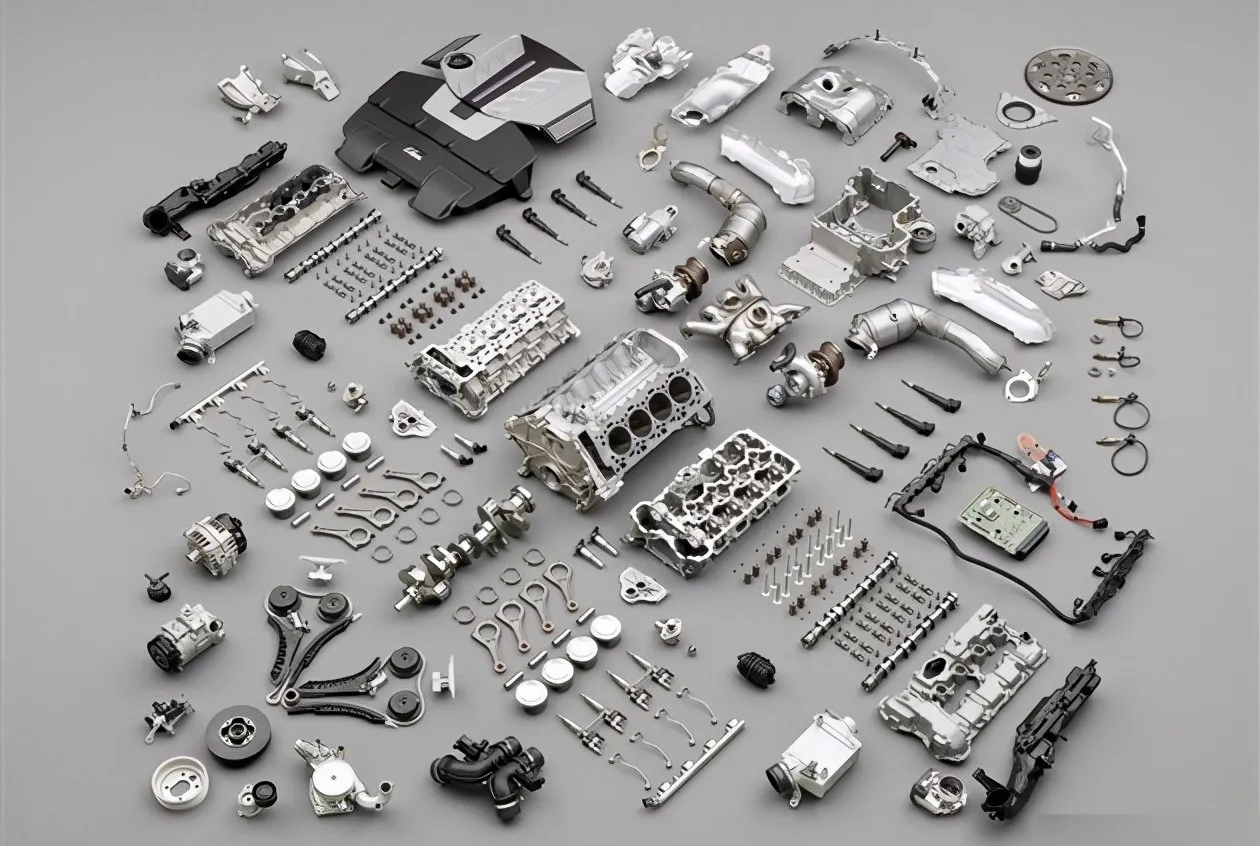
Prototyping & Low-Volume Trials
Enables rapid job changeovers and broad compatibility. Minimizes press downtime during prototype bending and short run adjustments.
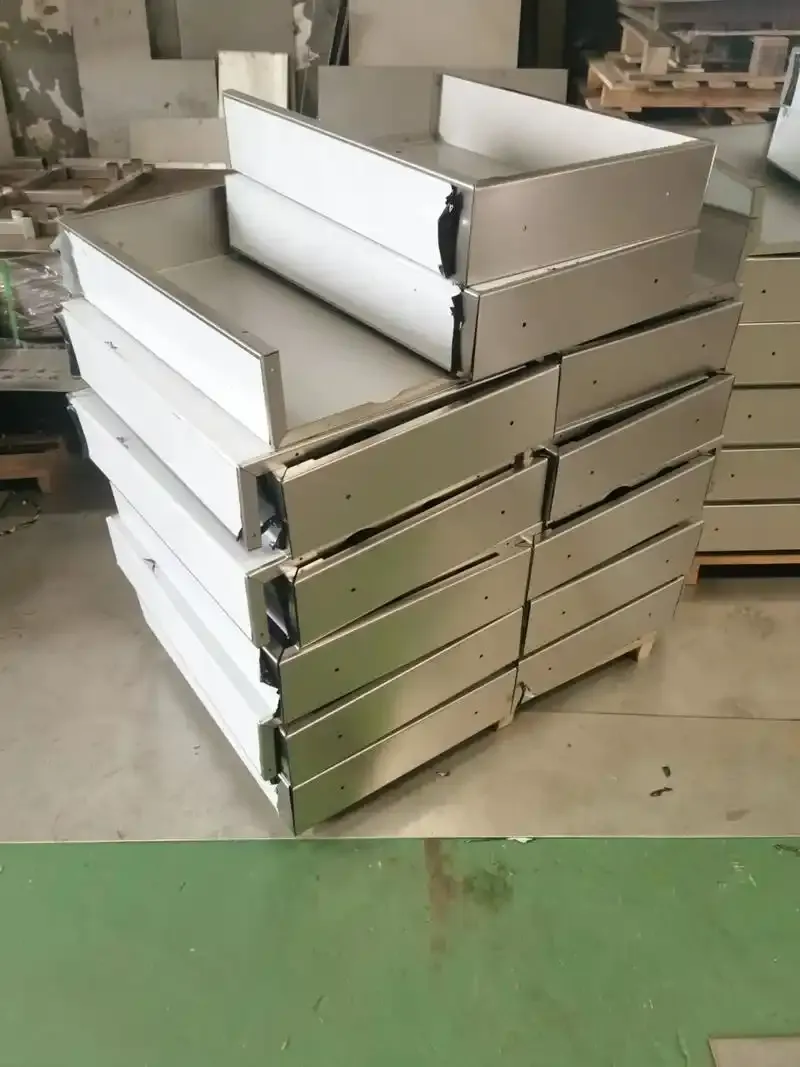
High-Volume Batch Production
Delivers consistent bend angle accuracy and high wear resistance for continuous production runs with minimal tool wear.
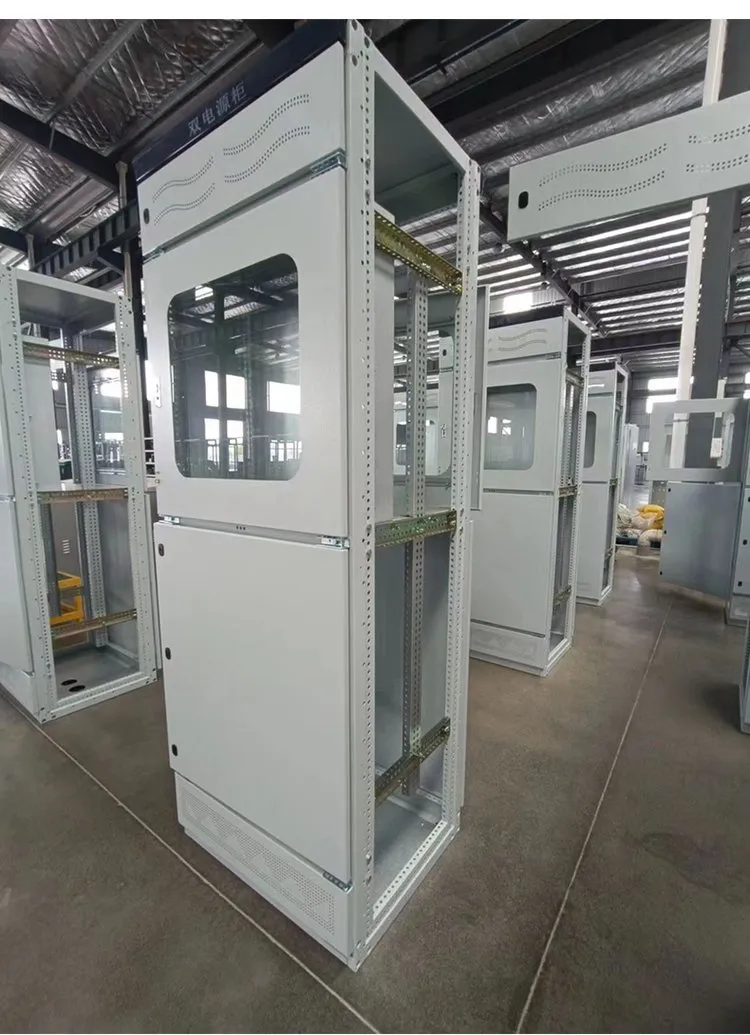
Enclosures & Electrical Cabinets
Ensures clean return flanges and tight corner fitting. Maintains consistent dimensions across complex cabinet housings.
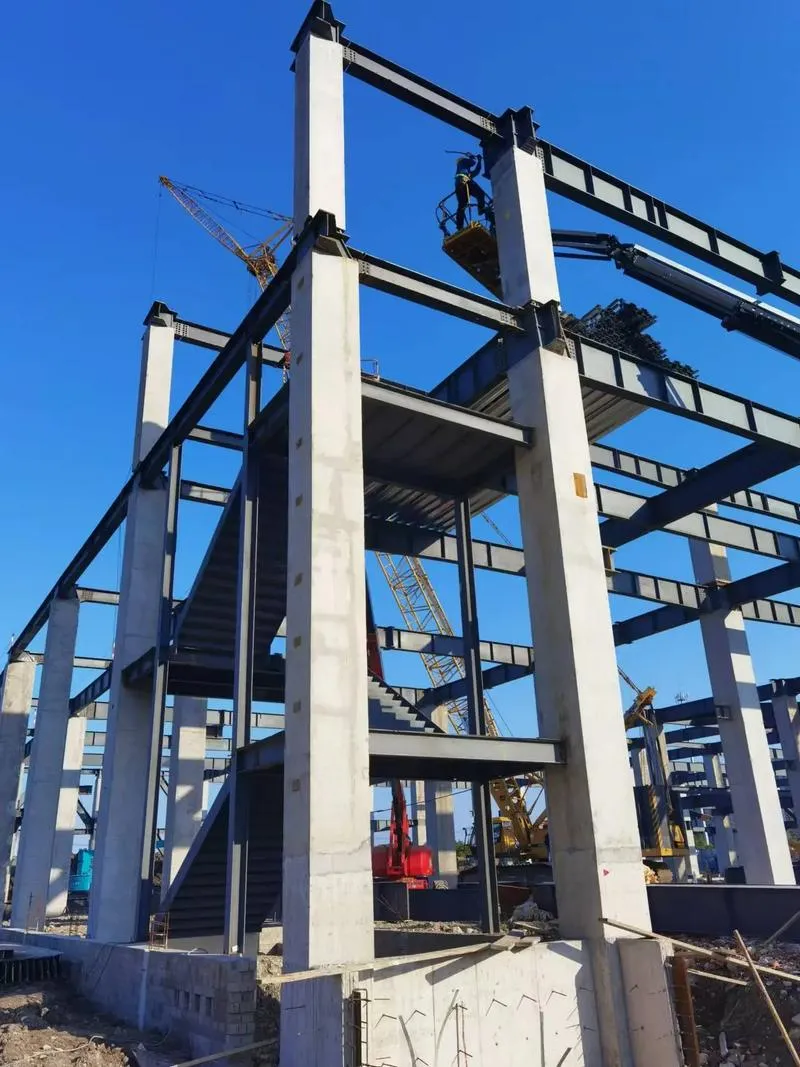
Frames & Structural Components
Handles thick plate forming under heavy tonnage while maintaining long-line bending straightness and structural integrity.
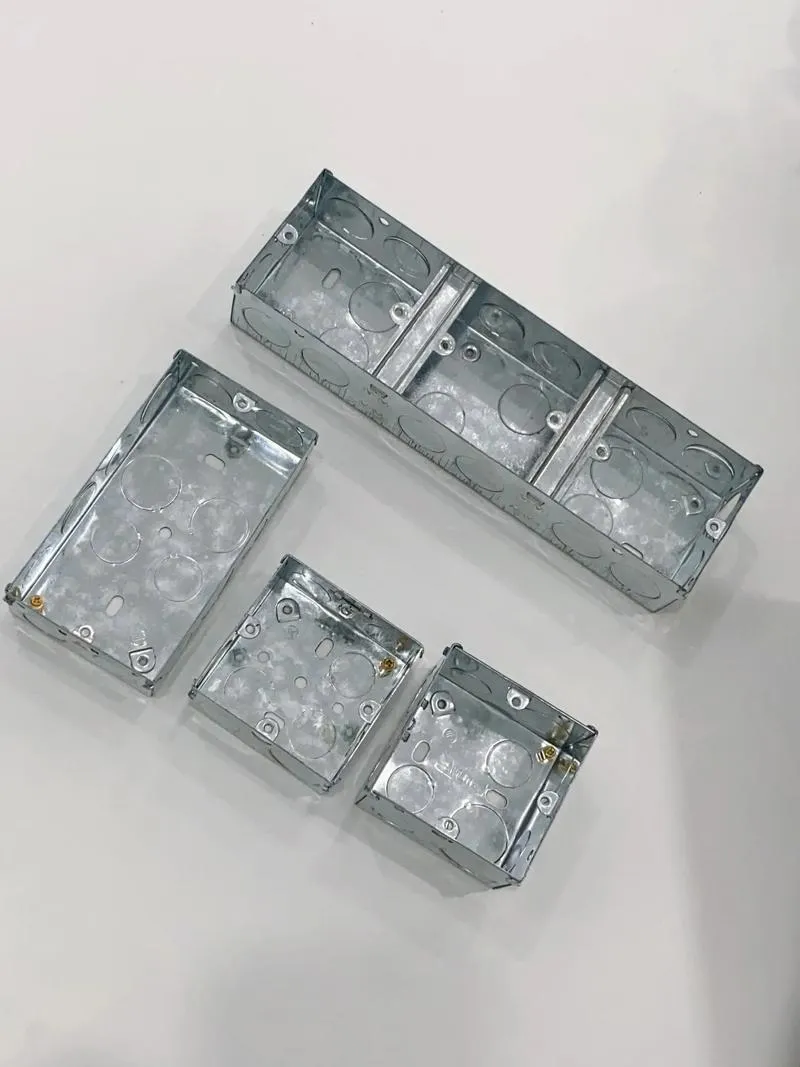
Complex Boxes & Deep Channels
Prevents tool collision during multi-step bending sequences on deep return profiles and narrow U-channels. Gooseneck Punches add the clearance needed for these forms.
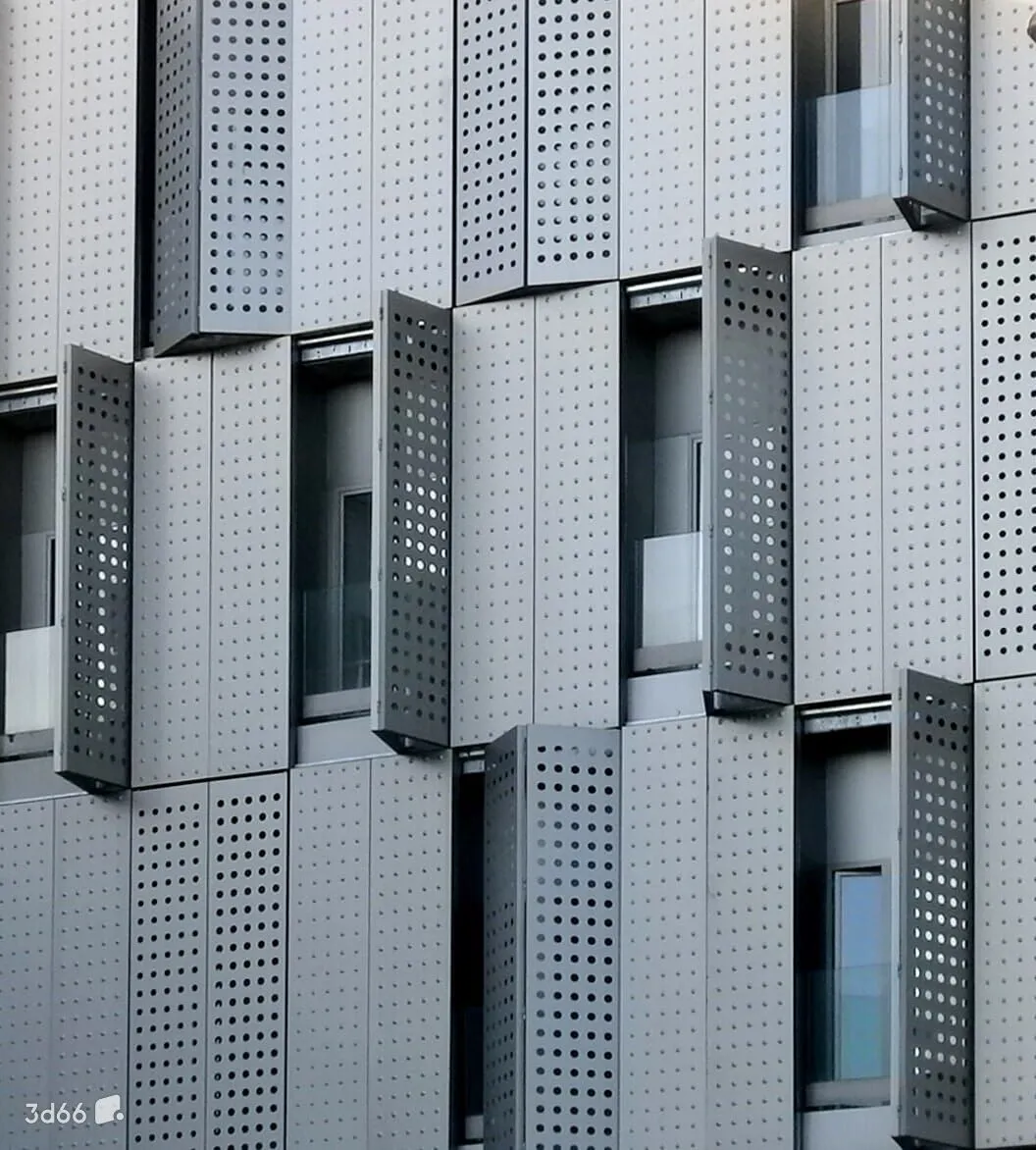
Cosmetic & Architectural Parts
Eliminates die marking on stainless steel and aluminum panels, preserving fine surface finishes without secondary polishing.
Need a Custom Tooling Setup for Your Workshop?
Share your part drawings and production requirements. CAMT engineers will evaluate your bending process and recommend the right punch, die, and tooling configuration for improved accuracy and efficiency.
Why Choose High-Precision Heat-Treated Bending Dies
CAMT builds press brake tooling with controlled heat treatment and precision finishing for demanding fabrication environments.
Precision Grinding
Refines working contact surfaces to sub-millimeter tolerances, guaranteeing uniform bend angles and batch-to-batch consistency.
Deep Heat Treatment
Hardens working zones and core steel to eliminate surface chipping and significantly extend tool life under high-tonnage loads.
High-Hardness Tool Steel
Forged from premium tool steel alloys specifically engineered to endure high-frequency production and abrasive sheet metal.
Advanced CNC Machining
Delivers precise geometric accuracy for complex die profiles, special goose-neck geometries, and tight-radius applications.
Manufacturing & Process Capability
A strictly controlled end-to-end production workflow designed for repeatable bending performance.
1. Alloy Material Selection
Inspection and verification of high-grade tool steel stock tailored to your specific sheet metal thickness and tonnage demands.
2. Precision CNC Machining
High-accuracy roughing and intermediate profiling to establish exacting tool geometries and clearance channels.
3. Vacuum Heat Treatment
Computer-controlled thermal hardening and stress relief to maximize structural toughness without thermal distortion.
4. High-Precision Finish Grinding
CNC grinding of punch tips and die V-openings to eliminate deflection and preserve long-term accuracy.
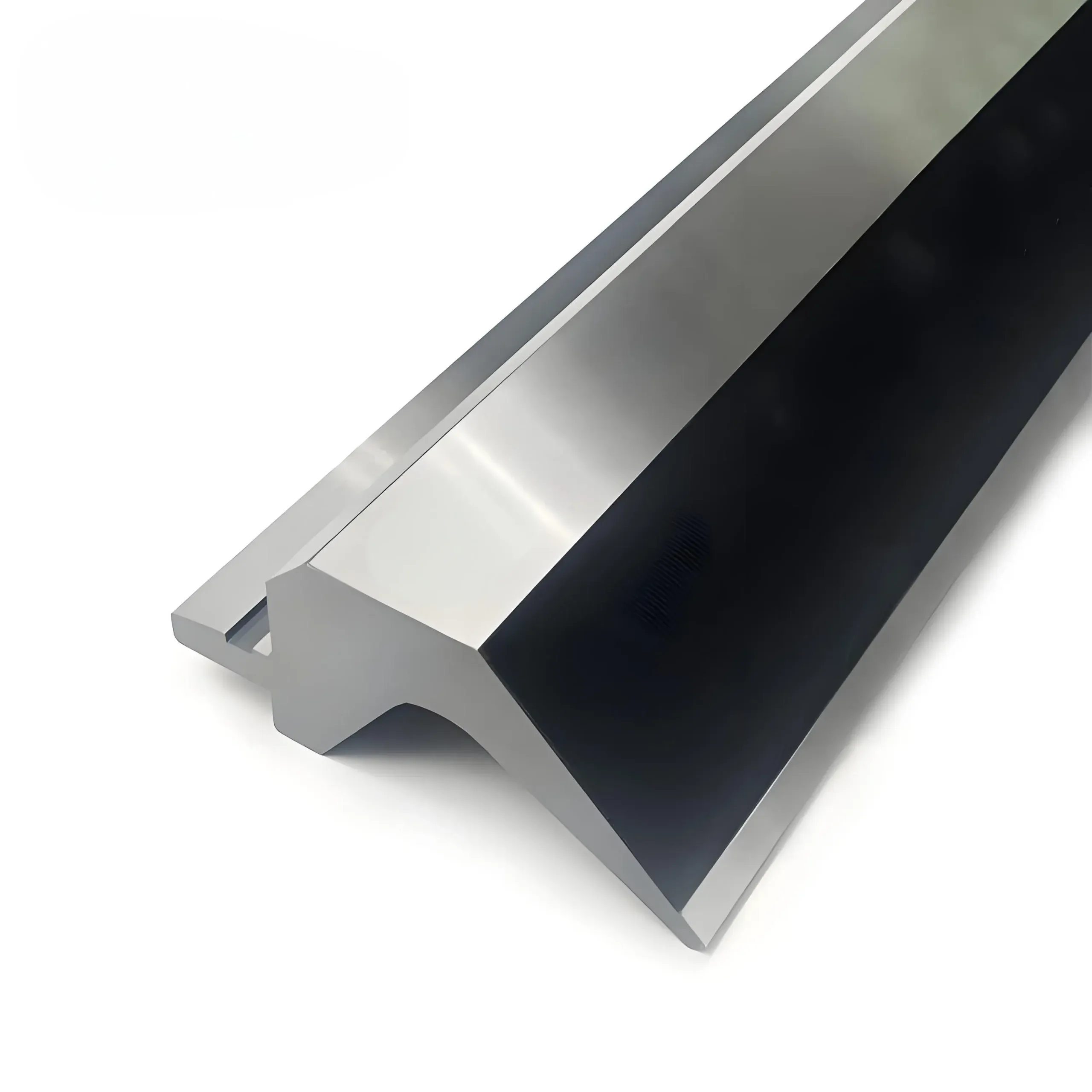
OEM & ODM Custom Tooling Support
We provide drawing evaluation, custom dimensioning, and specialized tool profiles for non-standard bending sequences, including press brake punches. Our engineering team assists from initial CAD review to final production verification.
Fast Lead Times & Global Export
Designed for international fabricators and OEM buyers. Explore our products for robust export packaging, direct freight coordination, and flexible production schedules that keep your sheet metal shop operating without delay.
Frequently Asked Questions Before Purchase
Find authoritative answers regarding press brake tooling specifications, custom design options, bending accuracy, and global support.
How do I decide between standard tooling and custom tooling?
Standard press brake tooling efficiently handles most common air bending profiles with immediate availability and lower initial costs. Custom tooling is highly recommended for complex profiles, specialized geometries, narrow flange dimensions, or high-volume automated production lines. CAMT offers free engineering reviews to resolve your specific sheet metal fabrication questions and recommend the ideal tool configuration.
Do different sheet thicknesses require different V-opening sizes?
Yes, selecting the correct V-opening is crucial for precise bending accuracy, optimal radius formation, and proper force distribution. As a standard rule for mild steel, the V-opening width should equal 6 to 8 times the material thickness. Heavy plates or high-tensile alloys require significantly wider V-openings to prevent structural cracking and avoid excessive machine tonnage.
How can I reduce springback and angle variation?
Minimizing springback requires pairing the correct punch tip radius with precise V-opening ratios tailored to your material's specific tensile strength. Utilizing premium precision-ground tooling with integrated angle compensation effectively eliminates variation across long parts. CAMT engineers analyze yield strength variables to optimize your press brake setup for high repeatability.
Can you optimize the bending solution based on our drawings?
Absolutely. CAMT specializes in custom tooling optimization using advanced CAD simulations to verify part clearance, bending sequences, and machine load limits before production. This comprehensive engineering review prevents costly tool interference and minimizes setup scrap on your workshop floor. Simply send your drawing for engineering evaluation to get started.
How are tool life, material, and heat treatment related?
Tooling longevity depends heavily on high-grade alloy steel selection (such as 42CrMo) combined with precise, deep induction hardening. Proper heat treatment increases critical surface hardness, allowing the tools to withstand intense bending loads without premature wear or deformation. CAMT applies rigorous heat treating and precision surface finishing to maximize lifespan in demanding sheet metal workshops.
What is the usual lead time, and do you support global shipping?
Standard tooling profiles generally ship within a few working days, while custom-engineered tooling typically takes two to three weeks depending on design complexity. CAMT provides reliable global export services with robust, protective packaging to completely prevent transit damage. We manage all export documentation to ensure efficient customs clearance and prompt delivery to your workshop.
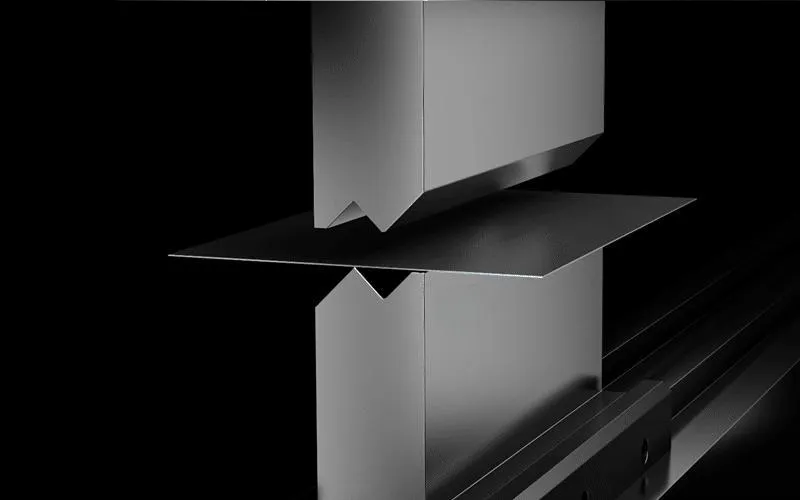
Need Custom Tooling Advice?
CAMT offers comprehensive technical support to help buyers choose the right press brake tooling configurations before placing an order. If your application needs a specialized solution, we can also guide you toward the right press brake punches for your part geometry.
Get the Right Bending Solution for Your Workshop
Send your drawing and bending requirements for a tailored press brake tooling proposal. CAMT is ready to help your team turn sheet metal fabrication requirements into a practical tooling solution. If your part calls for deeper access or extra clearance, we can also recommend gooseneck punches or offset punches.
Request Custom Press Brake Tooling Quote
Submit your parameters or drawings below for a fast OEM tooling inquiry response.