

Why Tooling Material Dictates Bending Performance
Tooling material selection for press brake tooling goes beyond maximum hardness—it is about striking the exact balance between wear resistance, core toughness, and long-term cost per bend.
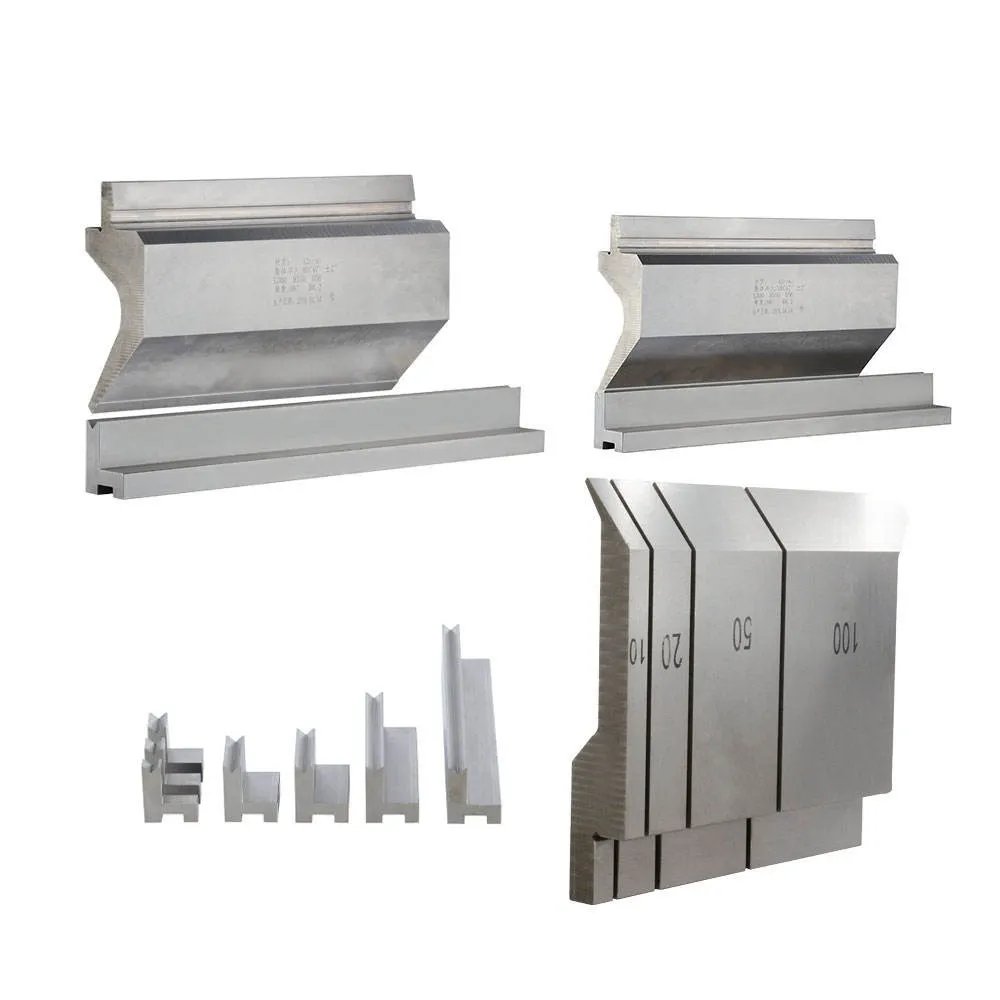
Overcoming Common Tool Steel Selection Pitfalls
Choosing steel solely on initial price or surface hardness often leads to premature edge chipping, sheet marking, or sudden punch breakage. Matching the correct alloy and heat treatment to your target workpiece material ensures repeatable precision and lowers total lifecycle costs.
Balanced Toughness & Hardness
Prevents catastrophic cracking under high tonnage while maintaining razor-sharp edge integrity.
Long-Term Dimensional Stability
Precision heat treatment minimizes thermal distortion and stress relaxation over millions of cycles.
Tool Steel & Performance Overview
Compare key steel grades to find the optimal CAMT tooling match for your sheet metal fabrication needs.
| Material Grade | Hardness Range | Primary Bending Application | Key Advantage |
|---|---|---|---|
| 42CrMo / AISI 4140 | 47 – 52 HRC | General carbon steel forming, medium-volume production | Cost-Effective Toughness |
| Cr12MoV / D2 Alloy | 58 – 62 HRC | Stainless steel bending, high-abrasion sheet metal | Superior Wear Resistance |
| H13 / SKD61 Hot-Work Steel | 50 – 55 HRC | Heavy-plate bending, high-tonnage bottoming & coining | High Impact Strength |
| Custom Surface Coatings | Up to 65+ HRC (Surface) | Non-marking cosmetic bends, aluminum, galvanized steel | Galling Prevention |
Extended Wear Life
High-grade tool steel combined with deep induction hardening protects critical radii from friction wear, preserving bend geometry across high-volume runs.
Consistent Angle Accuracy
Uniform substrate grain structures reduce tool deflection under load, eliminating springback variations and expensive rework on precision parts.
Reduced Maintenance Costs
Optimized material selection minimizes downtime caused by frequent tool re-grinding, edge repair, or unexpected tool failure on the press brake.
Mainstream Tool Steel Comparison
Compare key performance attributes, wear resistance, and recommended application scenarios across CAMT’s primary press brake tooling steel grades to make the right procurement choice.
Cr12MoV / D2
High-carbon, high-chromium tool steel offering exceptional abrasive wear resistance. Ideal for long production runs where maintaining sharp tooling radii and edge stability is critical.
Best For
High-volume sheet metal runs, abrasive stainless steel bending, and high-frequency precision stamping.
42CrMo / 4140
The industry standard for general press brake tooling. Combines superior toughness and fatigue resistance with cost-effective performance across diverse bending tasks.
Best For
Standard mild steel bending, job shop operations, medium-tonnage air bending, and multi-purpose punch/die sets.
H13 / SKD61
Premium hot-work steel engineered to absorb extreme impact loads and thermal stresses without cracking. Superior shock resistance prevents catastrophic chipping.
Best For
Heavy plate bending, high-tonnage bottoming/coining, thick structural steel, and extreme-load custom dies.
Material Selection Reference Matrix
Mechanical profile and recommended operational parameters for press brake tooling
| Steel Grade | Standard Hardness | Wear Resistance | Crack Resistance | Machinability & Precision | Primary Application Advantage |
|---|---|---|---|---|---|
| 42CrMo / 4140 | 47 - 52 HRC | Moderate-High | High | Excellent (90%) | Best overall balance of strength and cost for standard bending setup. |
| Cr12MoV / D2 | 58 - 62 HRC | Exceptional | Moderate | Fair (60%) | Maximum edge retention and abrasion resistance for high-volume jobs. |
| H13 / SKD61 | 50 - 55 HRC | High | Very High | Good (75%) | Resists shock and thermal fatigue in thick plate or heavy-tonnage applications. |
| Custom / Nitrided | 60+ HRC (Surface) | Maximum Surface | Core Toughness Retained | Specialized | Prevents tool galling and sheet marking during stainless or aluminum bending. |
Unsure Which Steel Grade Fits Your Bending Setup?
Selecting the ideal material requires balancing sheet material hardness, bend radius, tonnage, and production batch size. CAMT provides custom material selection and heat treatment optimization to extend your tooling life and reduce total cost of ownership.
- Tailored steel grade matching based on your target workpiece material and tonnage.
- Advanced heat treatment, deep-cryogenic hardening, and anti-galling surface coatings.
- OEM/ODM custom tooling manufacturing with certified metallurgical traceability.
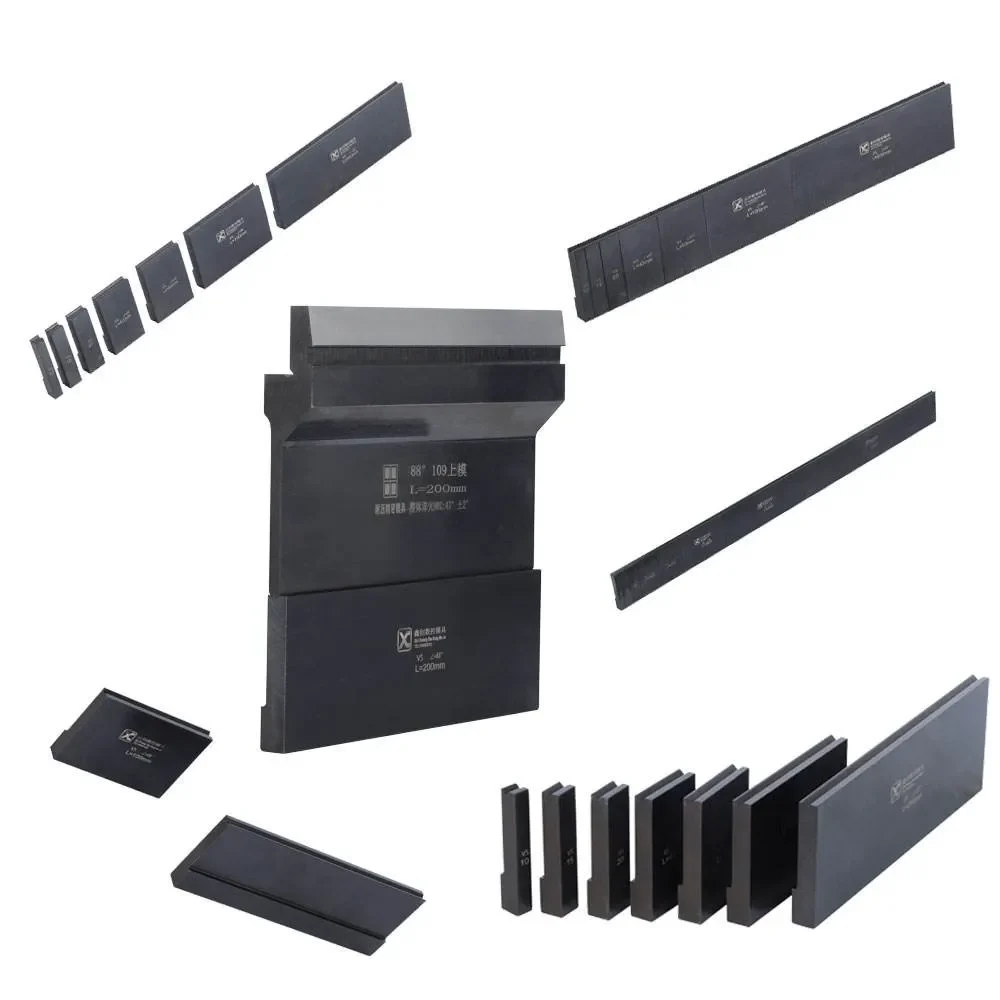
Balancing Hardness, Heat Treatment, and Durability
Higher hardness does not guarantee longer tool life. CAMT optimizes heat treatment parameters to prevent micro-cracking and chipping while maintaining extreme wear resistance under high-tonnage loads. To learn more about our approach, visit the About page, or use the Contact page to discuss your application requirements.
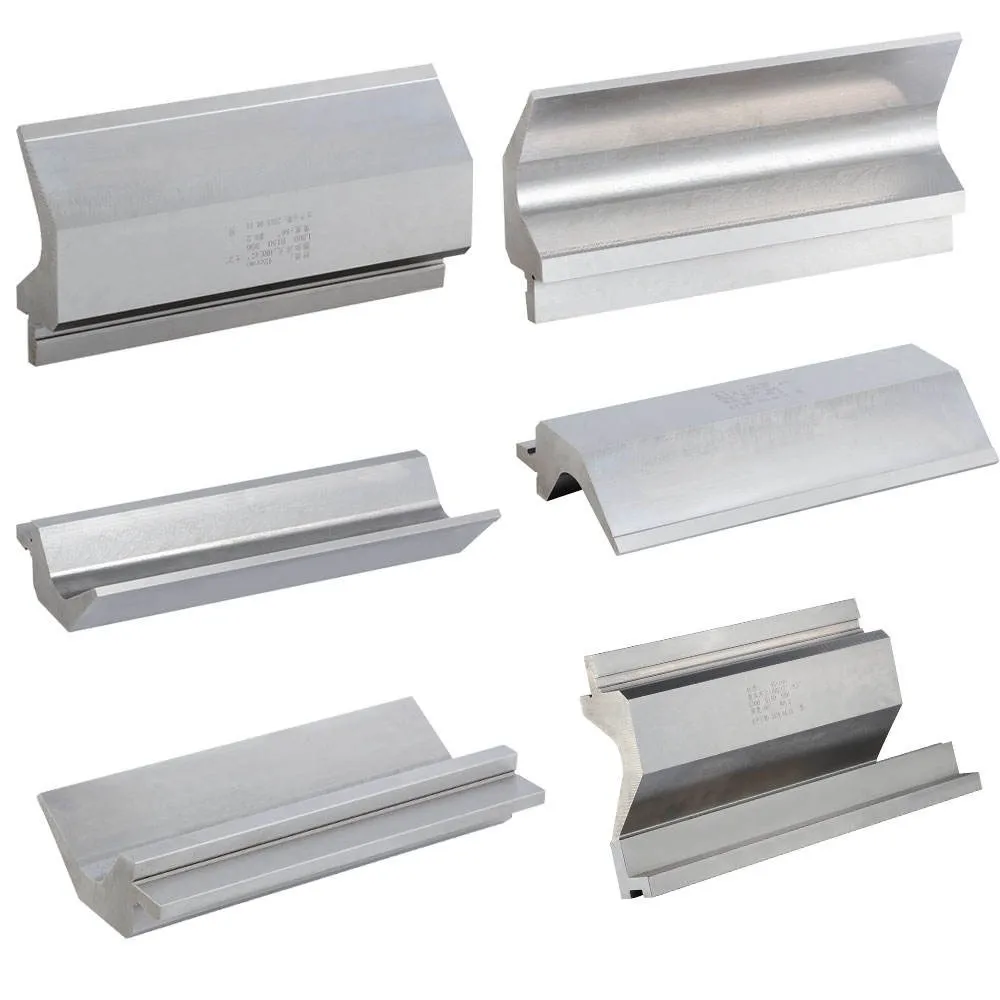
Hardness vs. Brittleness Control
Excessive hardness increases premature chipping risk. Precision quenching establishes high surface wear resistance while preventing structural failure at working edges.
Multi-Stage Tempering Cycles
Controlled secondary heating relieves internal stresses, maximizing impact toughness and structural stability during repetitive heavy-plate bending operations.
Dimensional Stability & Grinding Precision
Deep thermal stabilization ensures zero post-process distortion, protecting critical tool tolerances, angular accuracy, and seamless segment alignment.
Heat Treatment Profile Comparison
Evaluate how targeted CAMT thermal processes balance surface hardness, core ductility, and application suitability for long-term reliability.
| Thermal Strategy | Working Hardness | Core Toughness | Recommended Bending Application |
|---|---|---|---|
| Deep Through-Hardening | 58–62 HRC | Moderate | High-volume production, abrasive sheet metal, and extreme wear resistance |
| Selective Induction Hardening | 54–60 HRC (Working Zone) | High (Ductile Core) | Heavy-gauge plate, high-tonnage bending, and shock-prone applications |
| Vacuum Heat Treatment & Nitriding | 60–65 HV (Surface Case) | Very High | Stainless steel, galling-sensitive alloys, and high-precision electronic enclosures |
Material Selection by Application Scenario
CAMT provides precision-engineered press brake tooling steel optimized for specific bending tonnages, workpiece materials, and high-volume production demands across applications.
General Sheet Metal & Enclosures
Balanced strength and shock resistance for day-to-day bending of mild steel, aluminum, and electrical cabinets, maximizing ROI on standard runs.
Stainless Steel Fabrication
High-wear tool steels engineered to withstand high springback forces, prevent galling, and eliminate work-piece marking during precision forming.
Heavy Plate & High-Tonnage Forming
High-toughness hot-work and alloy steels built to resist cracking, edge chipping, and extreme impact loads when forming thick structural plates.
Tailored Material & Heat Treatment Engineering
Selecting the ideal press brake tooling material requires balancing edge hardness against core toughness. CAMT engineers analyze your bending radius, material thickness, and production frequency to specify the optimal steel grade and surface hardening technique.
- Deep frequency induction hardening on working radii for maximum wear resistance.
- Controlled core toughness (28–32 HRC) to eliminate punch snapping under shock loads.
- Precision-ground working surfaces guaranteeing tolerances within ±0.01mm.
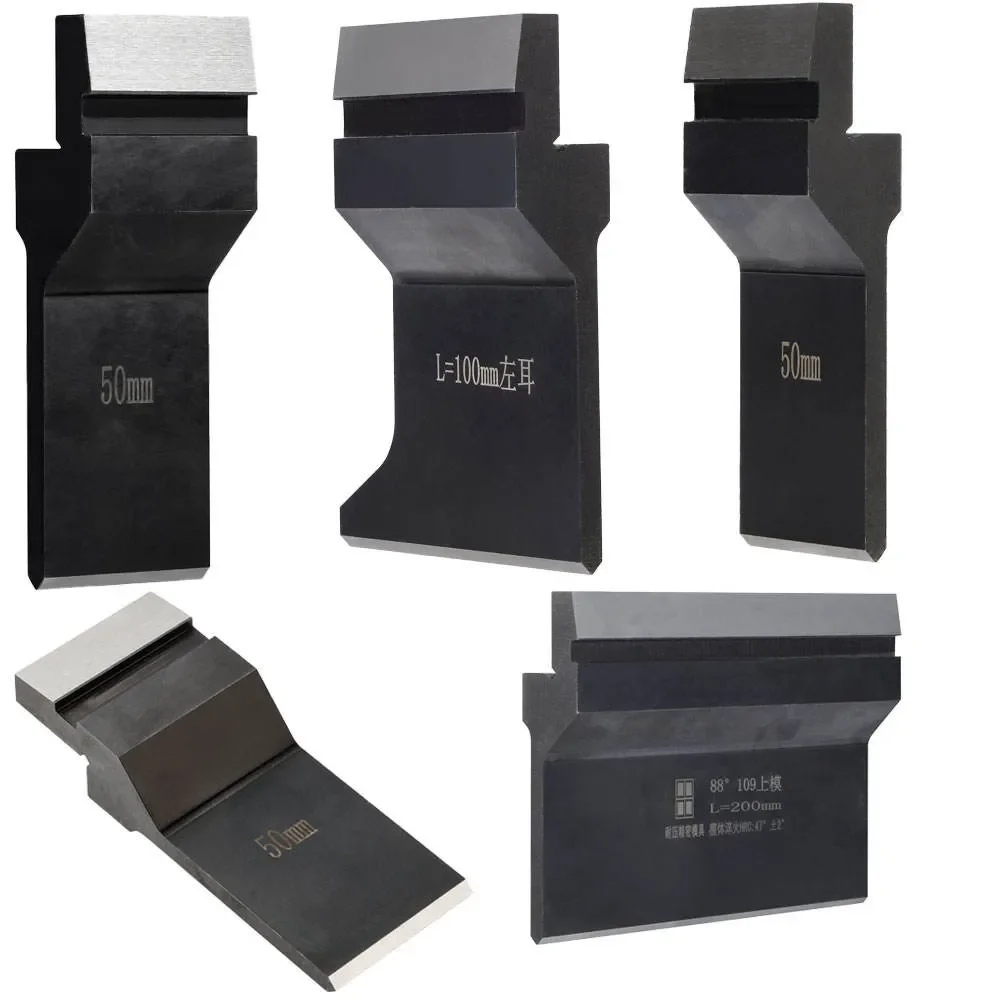
Tool Steel Property Comparison Matrix
Scroll horizontally on smaller screens →When to Upgrade Steel Grades or Request Custom Tooling
Standard press brake tooling and off-the-shelf steel grades provide a reliable baseline for general sheet metal fabrication. However, as bend tonnage increases, production runs scale, or complex part geometries arise, standard tooling can lead to rapid wear, angle instability, and costly downtime. Recognizing key failure signals helps you determine when to upgrade tool steel grades or transition to custom-engineered tooling.
Indicators to Upgrade Tool Steel Grades
Transitioning to premium tool steels with superior alloy content, refined heat treatment, or specialized surface hardening dramatically extends wear life and maintains tight bending accuracy under heavy workloads.
- Rapid Edge Wear or Chipping: Excessive working pressure on standard punches and dies causes micro-cracking, deformation, or frequent edge re-grinding.
- Bending Stainless or High-Tensile Plate: Tough materials like stainless steel or HARDOX demand higher core toughness and surface hardness to prevent galling and indentation.
- Inconsistent Bend Angles Across Batches: Tooling deformation under load leads to springback variations and dimensional instability during long runs.
- High-Volume Continuous Production: Upgrading steel grades reduces setup adjustments and maintenance intervals, significantly lowering long-term cost-per-bend.
Reasons to Request Custom Press Brake Tooling
When standard punch and die profiles collide with sheet metal flanges or fail to form special shapes in a single stroke, custom-engineered profiles provide the exact geometry required. For demanding applications, the right press brake tooling can also improve repeatability and reduce setup time.
- Complex Flange Clearance & Geometries: Deep channels, narrow return bends, and offset profiles often require gooseneck modifications or custom punch relief.
- Multi-Stage & Single-Stroke Forming: Custom radius dies, ribbing, or hemming tools consolidate multiple bending operations to shorten cycle times.
- Mark-Free & Precision Enclosure Bending: Specialized tool radius configurations and insert designs protect cosmetic sheet metal surfaces from die marks.
- Extreme Tonnage & Heavy Plate Applications: Thick plate bending demands reinforced die structures and custom shoulder radii to distribute forming pressure safely.
Strategic Tooling & Material Assessment by CAMT
Upgrading tool steel or engineering custom press brake tooling requires balancing initial investment with long-term productivity gains. CAMT collaborates with your technical team to analyze sheet metal specs, wear patterns, and tonnage requirements to recommend the optimal steel grade, hardness level, and profile design.
Cost-Per-Bend Focus
Upfront tooling upgrades pay off through extended wear life, reduced regrinding, and minimized press brake downtime.
Engineering Support
Send us your part drawings for expert feedback on profile clearance, radius selection, and material compatibility.
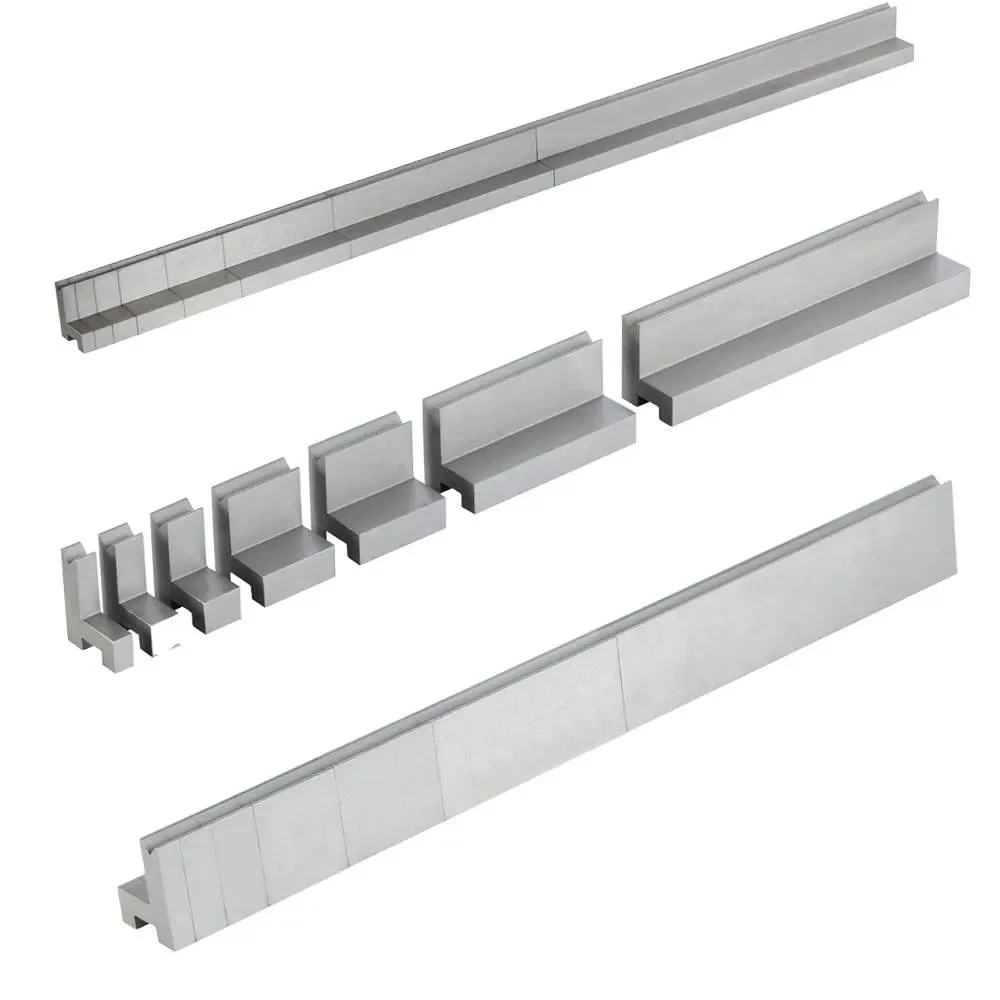
Press Brake Tooling Material Selection: FAQ
Find practical answers on tool steel grades, heat treatment options, and durability trade-offs to optimize your bending performance with press brake tooling from CAMT.
How do I choose the right hardness level for press brake tooling?
Match tooling hardness to your sheet metal type and production volume. Higher HRC provides exceptional wear resistance for high-run or abrasive metals, while moderate hardness offers superior toughness against cracking during heavy-tonnage air bending.
Why do some high-hardness tool steels chip or break prematurely?
As hardness increases, core impact toughness naturally decreases. If ultra-hard tooling experiences high-tonnage shocks, localized overload, or off-center loads, micro-cracks can quickly cause edge chipping or sudden breakage.
Should I use different tooling materials for bending stainless steel?
Yes. Stainless steel requires higher tonnage and causes severe galling. Upgrading to high-wear tool steel grades (like D2/Cr12MoV) or adding surface treatments ensures cleaner bends and prevents premature die shoulder wear.
Which is more critical: heat treatment quality or surface finish grinding?
Both are vital and complementary. Deep induction hardening or vacuum heat treatment establishes structural strength, while precision grinding ensures exact bend angles, section alignment, and minimal sheet scratching.
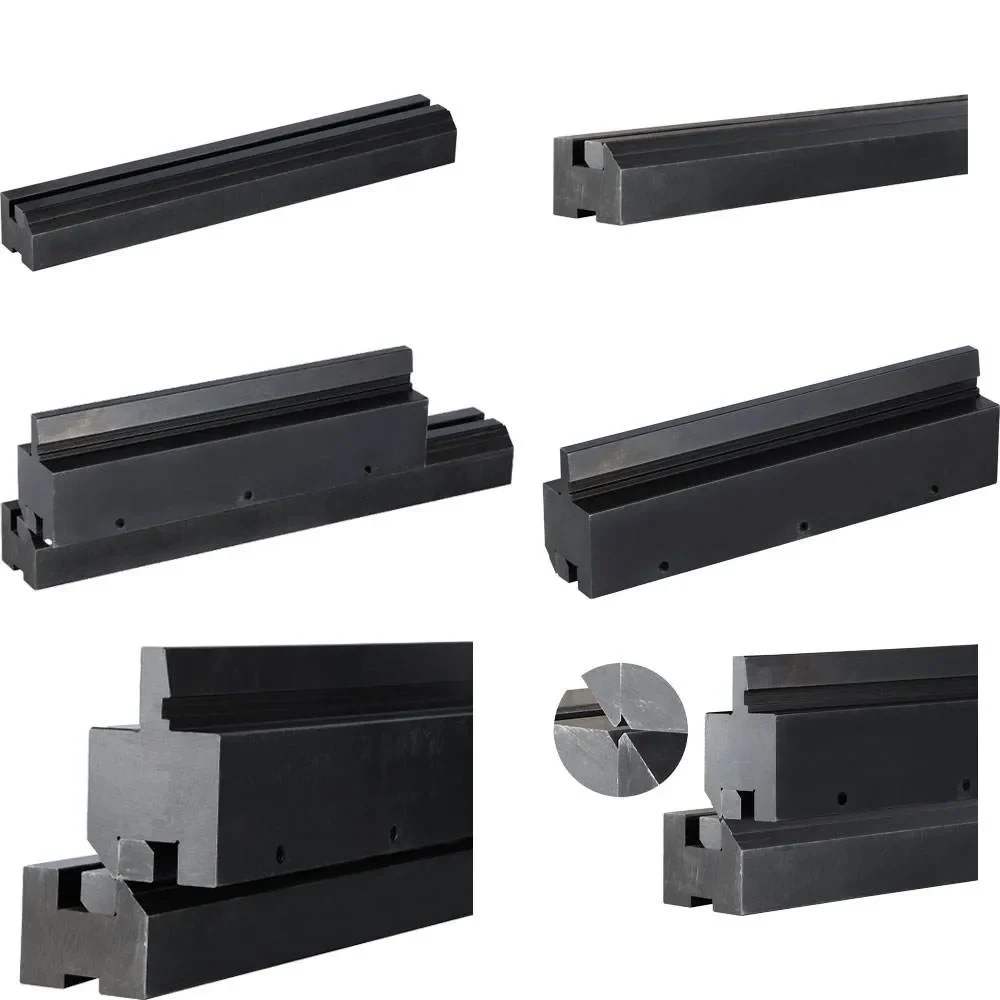
Get Expert Material Recommendations from CAMT
Struggling with rapid edge wear or sheet marking? Submit your part drawings or material specs to receive personalized tool steel and heat treatment guidance.
Steel Grade Selection
We evaluate workpiece material, sheet thickness, and batch size to specify the ideal alloy steel for your shop floor.
Precision Heat Treatment
Controlled quenching, deep tempering, and nitriding deliver uniform core toughness alongside high surface hardness.
OEM/ODM Support
From special radii to custom sectionalized dies, CAMT designs and manufactures tailored tooling for fast global delivery.