

Press Brake Tooling Buying Guides & Selection Center
Evaluate sheet metal specs, material grades, bend angles, and machine tonnage to select the optimal punch and die set. For product-level comparisons, review our press brake tooling selection hub and streamline your tooling procurement with engineering-backed buying guidance.
Prevent Sizing Errors
Verify V-opening, radius, and tonnage limits before placing purchase orders.
Accelerate Procurement
Compare standardized punch and die options quickly to shorten sourcing cycles.
Ensure Shop Compatibility
Match tooling clamping, height, and load capacities directly to your press brakes.
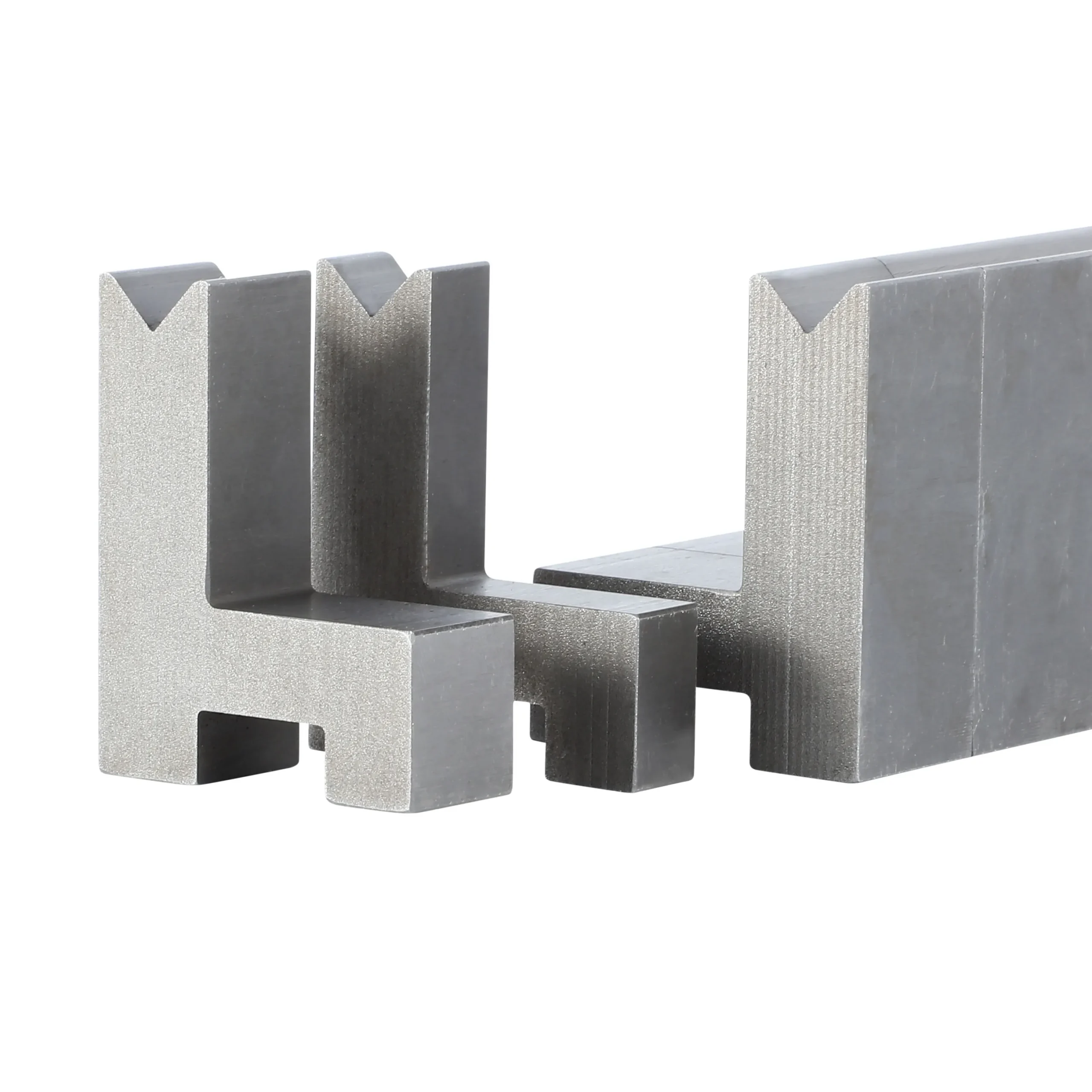
Precision Punch & Die Selection Matrix
Engineered for precise bend accuracy, minimal springback, and high tonnage durability.
CAMT Manufacturing & Supply Chain Standards
Precision Grinding
Strict Micron Tolerances
Deep Heat Treatment
High Hardness & Long Life
Premium Tool Steels
42CrMo & Specialized Alloys
OEM & ODM Capabilities
Custom Bending Profiles
Fast Global Delivery
Reliable Export Logistics
Key Factors to Consider Before Selecting Press Brake Tools
Choosing the right press brake tooling requires balancing material specs, machine limits, and production volumes. Use this structured decision framework to avoid costly mismatched tooling and maximize bending accuracy.
Workpiece Material Characteristics
Carbon steel, stainless steel, and aluminum exert vastly different wear profiles on tooling. Higher tensile strength materials demand hardened tool steel, while soft alloys require optimized radius profiles to prevent surface galling and aesthetic marks.
Common Pitfall
Underestimating springback on high-tensile stainless steel, leading to incorrect tool angle selection and premature edge wear.
Thickness & Inside Bend Radius
Sheet thickness dictates the optimal V-die opening rule (typically 6x to 8x material thickness). Matching the V-opening to minimum inside bend radius tolerances ensures uniform bend lines and prevents sheet cracking during forming.
Common Pitfall
Selecting a V-die that is too narrow for thick plate, which exponentially spikes tonnage requirements and risks tool breakage.
Forming Method & Precision
Selection logic varies whether you rely on air bending, bottoming, or coining. Air bending offers versatile angle control with acute punches, whereas bottoming demands exact angle matching between punch tips and die shoulders.
Buyer Tip
For high precision air bending, prioritize precision-ground segmented tooling to ensure tight tolerance consistency across long bends.
Machine Constraints & Compatibility
Press brake tonnage limits, throat depth, open height, and clamping systems (European, American, or New Standard) directly constrain tool geometry. Always cross-check maximum ton-per-meter ratings before commissioning tools.
Common Pitfall
Purchasing deep gooseneck punches without checking machine throat depth clearance during complex return-bend sequences.
Production Volume & Duty Cycle Expectations
Low-volume, high-mix job shops benefit from modular, quick-change tooling setups that minimize downtime between setups. High-volume continuous production runs require premium induction-hardened alloys (e.g., 42CrMo) with deep working surface hardness to withstand relentless wear cycles without loss of precision.
Buyer Tip
Calculate your total cost of ownership: investing in nitrided or deep-hardened surfaces reduces long-term regrinding costs on continuous production lines.
Eliminate Selection Risk with Engineering Review
Selecting press brake tooling requires absolute precision. CAMT technical support engineers cross-reference your part drawings, material specifications, and machine tonnage limits to quickly verify the exact punch and die combinations for your application.
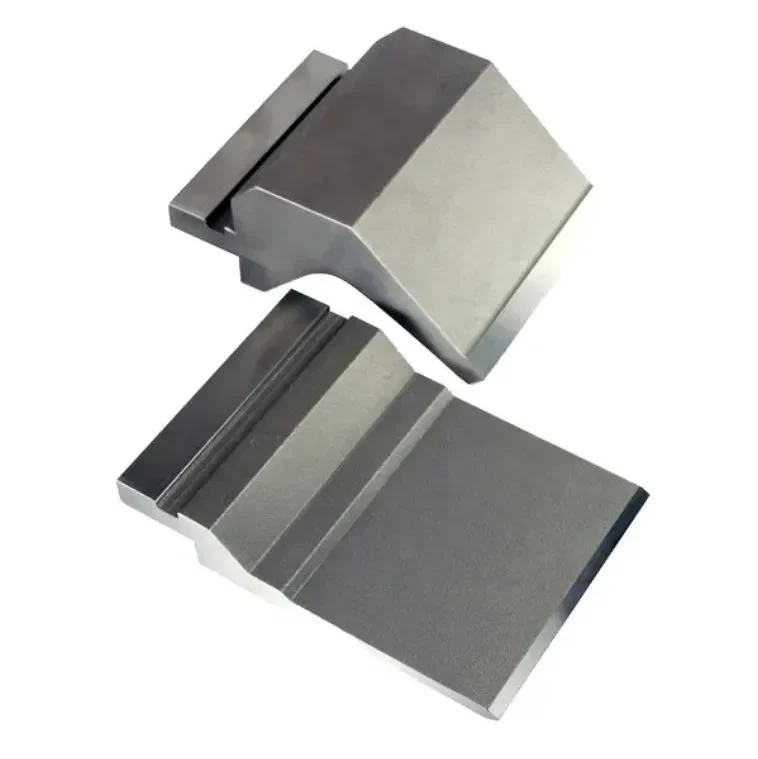
Direct drawing analysis by CAMT application specialists.
Common Buying Themes: Fast-Track Your Tooling Search
Explore focused buying guides tailored to your specific material requirements, machine specifications, and volume manufacturing goals for press brake tooling.
Tooling Fundamentals
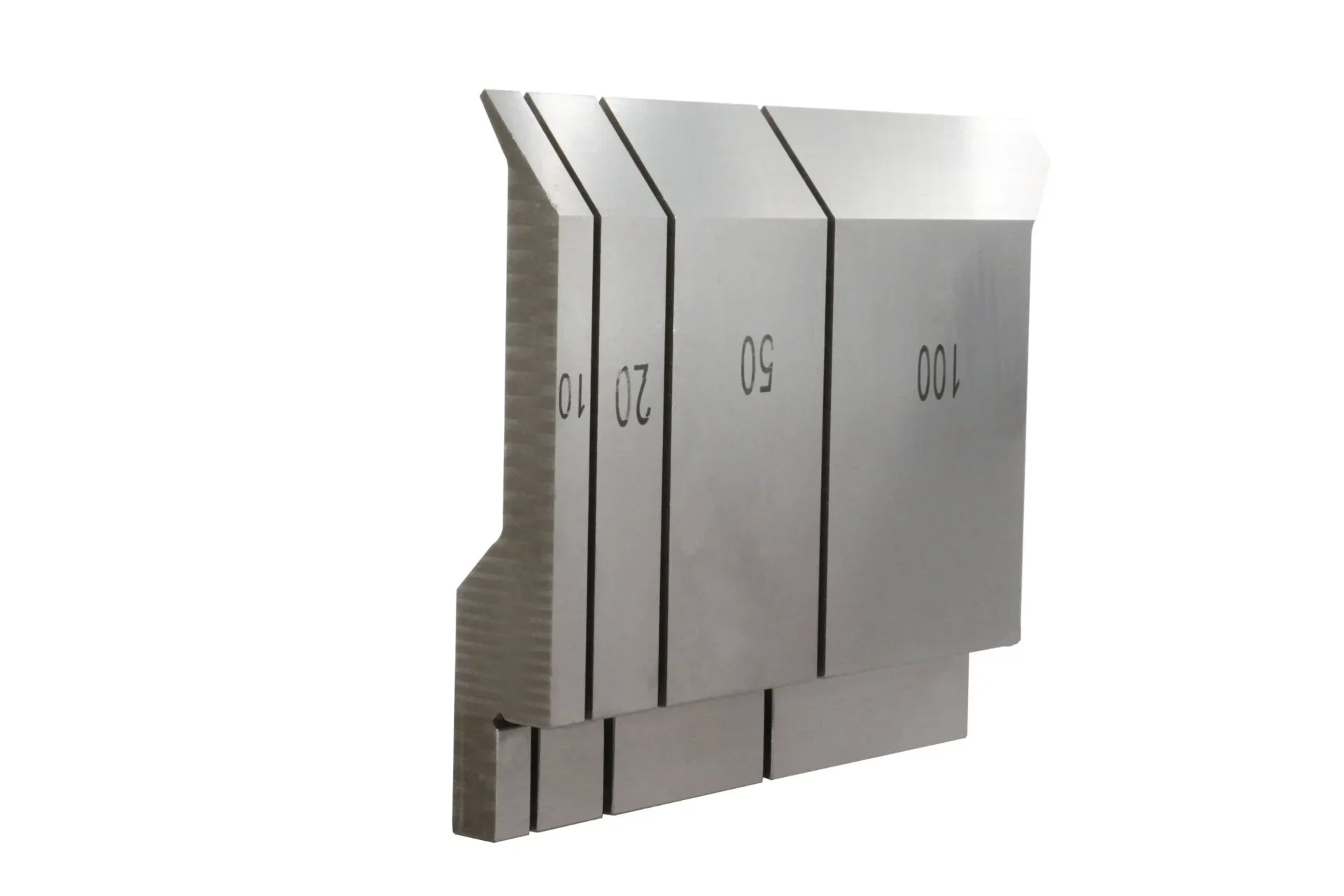
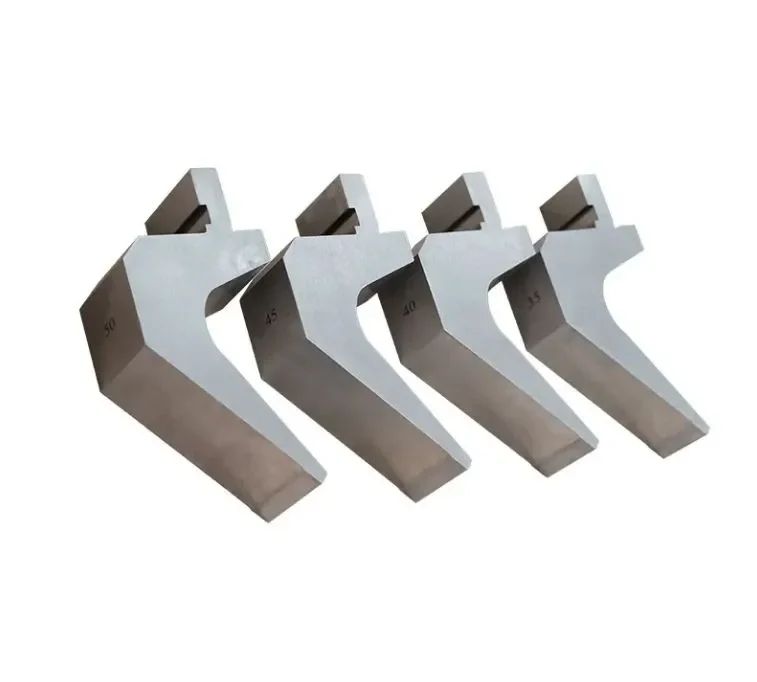
Essential technical resources for buyers evaluating core geometries, tonnage capabilities, and standard profile options.
- Standard punch profiles, precision V-dies, and gooseneck punches selection rules
- V-opening calculations, minimum flange limits, and bend allowance guidelines
Material Wear and Tool Life
Targeted guidance on selecting tool steel grades, heat treatment, and surface hardening to prevent premature wear.
- Deep laser hardening, nitriding, and premium tool steel grade comparisons
- Tooling longevity strategies for stainless steel, high-tensile alloys, and heavy sheet
Machine Compatibility and Clamping
Engineering insights to verify upper and lower tool seating, tangential alignment, and machine clamping integration.
- European Precision, American Traditional, and New Standard style matching
- Hydraulic, pneumatic, and manual quick-change clamping adapter requirements
Application-Specific Selection
Sector-focused guides addressing complex part geometry, tight tolerances, and scratch-free surface standards.
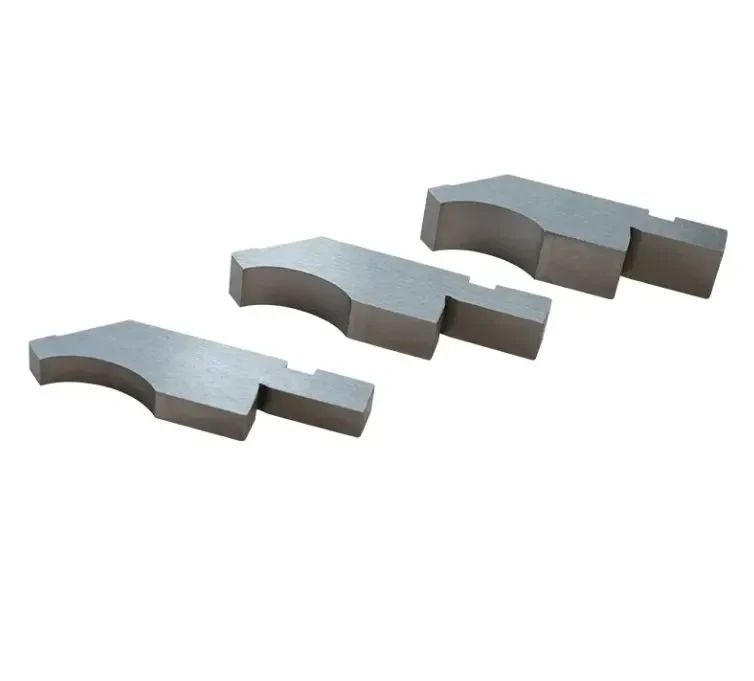
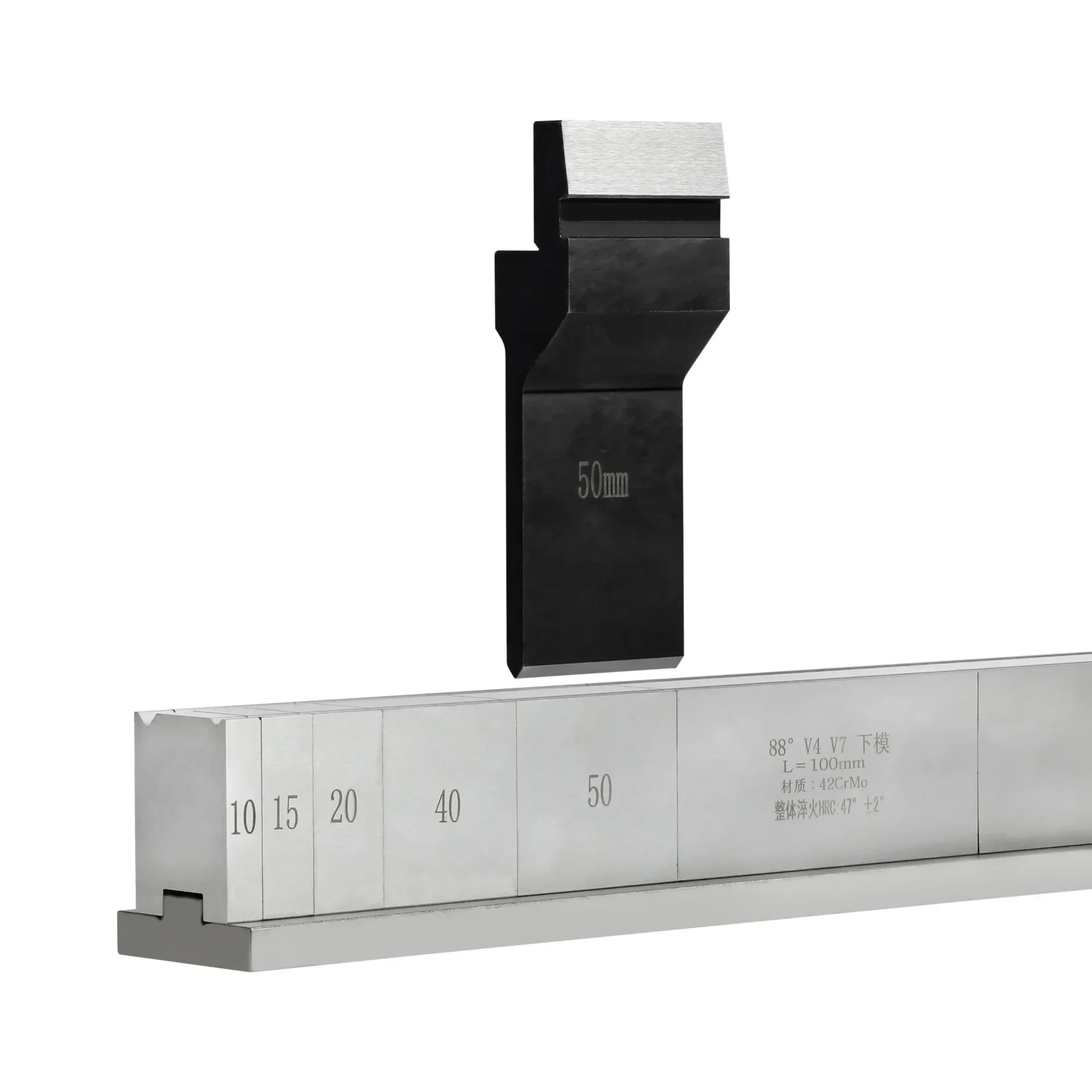
- Specialized setups for electrical cabinets, HVAC ducting, and elevator panels often benefit from Offset Punches when clearance is limited
- Automotive structural components, architectural fascias, and heavy plate forming
Custom Tooling and OEM/ODM Services
When catalog tools fall short, CAMT manufactures custom punches, special dies, and nonstandard radius tools engineered around your part drawings. Explore our press brake punches options for profiles built to match demanding applications.
Tooling Comparison: Choosing the Right Profiles and Specifications
Compare press brake tooling geometries, structural profiles, and steel grades to maximize bending accuracy and extend tool life.
| Tool Profile Type | Key Geometric Features | Primary Application | Recommended Scenarios |
|---|---|---|---|
| Standard Straight Punches | Direct vertical force alignment with narrow tip profiles | 90° air bending and acute-angle air/bottom forming | High-volume flat sheet parts without obstructing return flanges |
| Gooseneck Punches | Deep recessed throat relief to clear pre-bent legs | Forming deep channels, U-profiles, and box enclosures | Complex sheet metal geometries with tight secondary bends |
| Radius Punches | Enlarged tip radius designed to reduce localized stress | Large-radius smooth curved bends without scoring | High-tensile structural alloys and heavy plate crack prevention |
| Offset Punches | Z-shape dual-step geometry for single-stroke forming | Fast offset step bends and joggle seams | High-speed production of overlapping sheet panels and enclosures |
Standard Straight Punches
Features: Direct vertical force alignment with narrow tip profiles
Application: 90° air bending and acute-angle forming
Gooseneck Punches
Features: Deep recessed throat relief to clear pre-bent legs
Application: Deep channels, U-profiles, and box enclosures
Radius Punches
Features: Enlarged tip radius designed to distribute bending load
Application: Smooth curved bends without surface fracturing
Offset Punches
Features: Z-shape dual-step geometry for single-stroke forming
Application: Fast offset step bends and joggle seams
Press Brake Die Selection
Matching die configurations to sheet thickness, springback allowance, and production batch sizes ensures repeatable angle accuracy.
- • Standard V Dies: Cost-effective baseline for air bending light-to-medium gauge sheet metal across standard angles.
- • Adjustable / Multi-V Dies: Variable V-openings eliminate tool setup changes when switching between different plate thicknesses.
- • Special Forming Dies: Precision-engineered tooling for single-stroke hemming, offset jogging, and complex custom radii.
Decision Logic
Use Multi-V dies for high-mix, short-run job shops; select dedicated single V-dies for dedicated automated production runs.
Hardness vs. Toughness Tradeoffs
Selecting the optimal tool steel grade balances surface wear resistance against core shock absorption under extreme tonnage.
- • High Surface Hardness (60+ HRC): Exceptional abrasion resistance; prevents premature tool wear on stainless steel and galvanized stocks.
- • High Core Toughness: Absorbs high impact loads during heavy plate forming, preventing sudden tool cracking or chipping.
- • Deep Laser Hardening: Hardens working contact zones while leaving the structural core ductile for maximum safety.
Decision Logic
Prioritize core toughness for heavy plate and structural steel; select high surface hardness for abrasive stainless sheet metal.
Balancing Lead Time with Long-Term Production Efficiency
While standard stock tooling provides immediate delivery for conventional bending, engineered custom tooling eliminates extra handling steps and dramatically speeds up complex part cycles.
Standard Stock Tooling
Immediate inventory dispatch, lower initial cost, ideal for standard 90° bends and prototype prototyping.
Engineered Custom Tooling
Specialized profiles combine multi-bend sequences into a single stroke, cutting cycle times up to 60%.
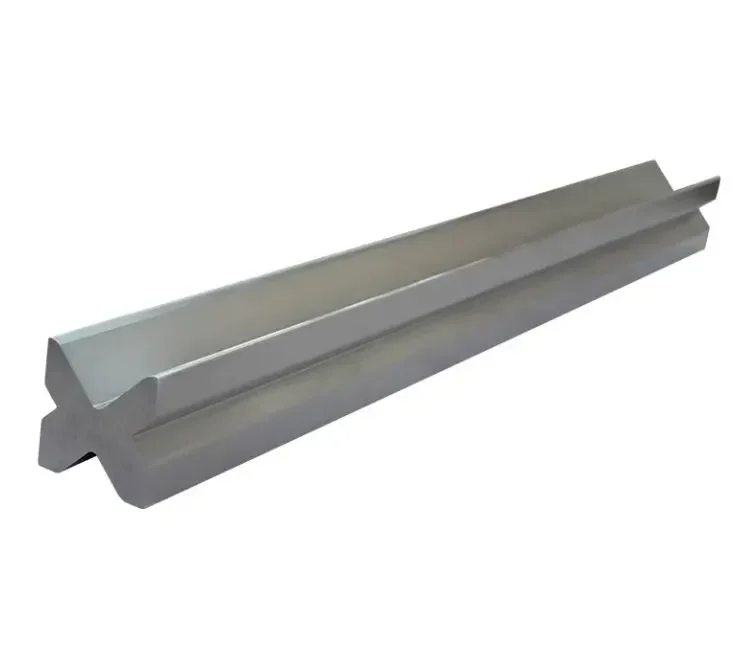
Need Technical Guidance on Your Tooling Specification?
CAMT provides both standard off-the-shelf tools and custom-engineered solutions to optimize performance, lead time, and overall fabrication costs.
Step-by-Step Buying Process: From Requirements to Order
Follow this structured procurement workflow to streamline technical alignment, eliminate costly miscommunication, and accelerate your press brake tooling project with CAMT's engineering team.
Confirm Part and Bending Drawings
Define your exact workpiece parameters upfront. Providing detailed drawings eliminates guesswork and prevents tooling interference during production.
- • 2D/3D part drawings (DXF, DWG, or PDF)
- • Material grade and sheet thickness
- • Target bend angles and inside radii
- • Critical tolerances and flange dimensions
- • Validated part profile
- • Verified bending sequence and clearance requirements
Verify Machine Parameters
Align tooling specifications with your press brake setup to guarantee seamless mechanical compatibility and operational safety.
- • Press brake make and model
- • Max tonnage limit (tons or kN)
- • Clamping style (European, Trumpf/Wila, American, etc.)
- • Open height, stroke length, and throat depth
- • Tooling interface alignment confirmed
- • Tonnage safety margins verified
Select Tooling Profiles and Sizes
Determine optimal punch and die geometries that deliver required form accuracy while preventing collisions on return bends.
- • Punch geometry (straight, gooseneck punches, sash, radius)
- • V-die opening size and tip angle
- • Sectioning requirements or total length
- • Matched punch and die set configuration
- • Complete bend clearance verification
Check Surface Finish, Heat Treatment, and Tool Life
Match tool steel grades and surface treatments to your production intensity and material hardness for maximum service life.
- • Target annual production volume
- • Workpiece surface sensitivity (non-marking needs)
- • Material abrasive properties (e.g., stainless steel, HSLA)
- • Optimized tool steel selection (e.g., 42CrMo)
- • Precision induction hardening or nitriding plan
Submit Drawings or Samples for Technical Optimization
CAMT’s application engineers review your technical data to validate standard selection or recommend the right press brake punches for custom OEM/ODM solutions—replacing trial-and-error with engineered precision.
- • 2D/3D part files or physical samples
- • Special forming requirements (if applicable)
- • Target delivery and project timelines
- • Tooling design proposal & optimization report
- • Optimized technical quote ready for order release
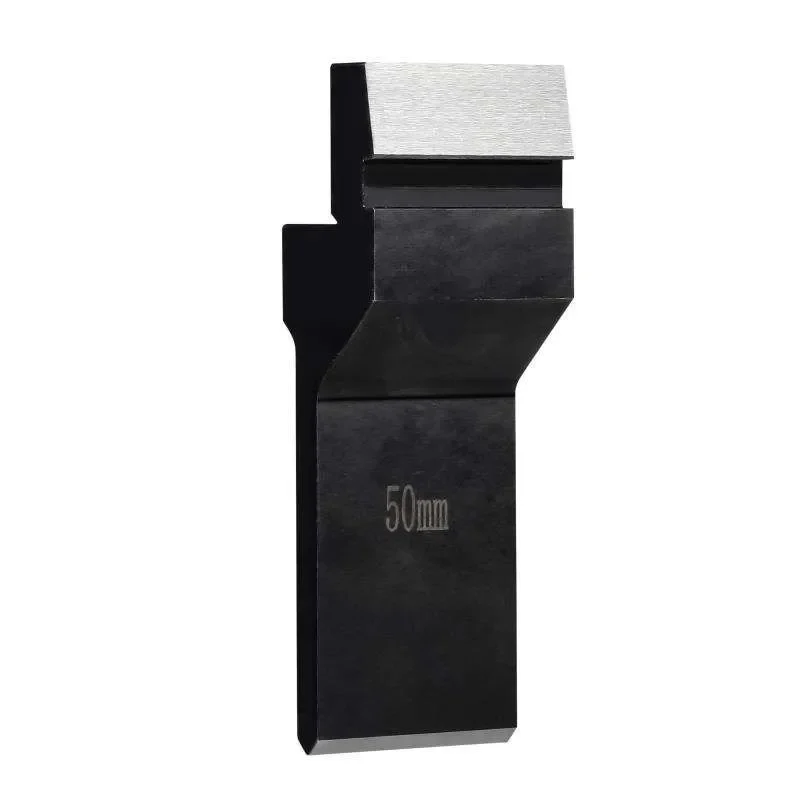
Ready to Start Your Tooling Project?
Share your part drawings, material details, and machine specifications. CAMT engineers will review your requirements and recommend the right tooling solution.
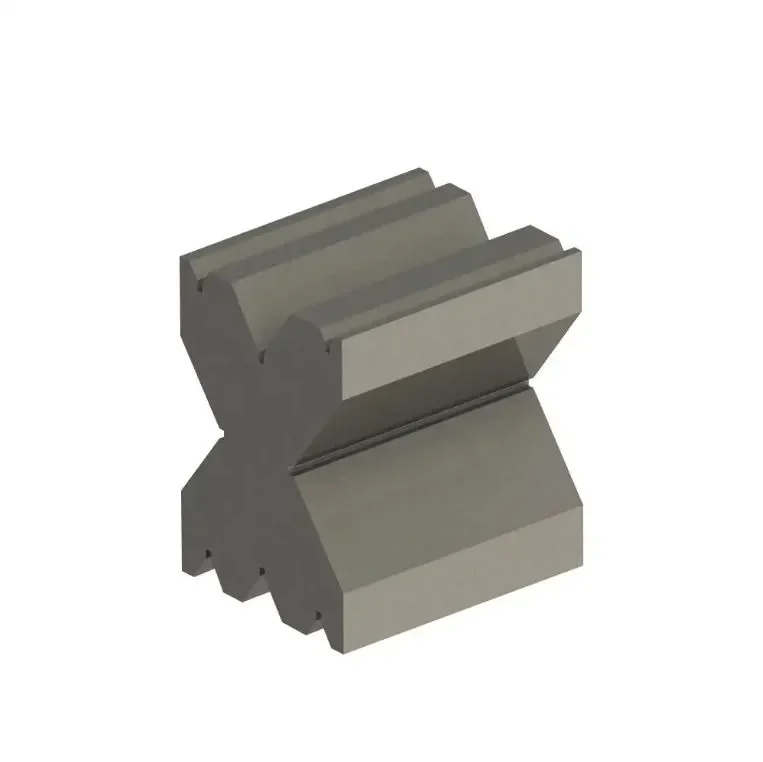
Precision Manufacturing & Technical Support Grounded in Expertise
CAMT specializes in press-brake tooling, delivering traceable, high-precision bending tools to fabricators worldwide. Every recommendation in our buying guides is backed by proven manufacturing capabilities and rigorous quality standards.
-
Precision Grinding & CNC Machining
Strict dimensional tolerances and uniform profiles ensure seamless interchangeability across production batches for press brake punches and related tooling.
-
Advanced Heat Treatment & Premium Tool Steels
Engineered material selection and controlled hardening processes maximize wear resistance and extend tool service life.
-
OEM & ODM Manufacturing Services
Seamless flexibility between off-the-shelf standard tooling and custom-engineered bending solutions, including gooseneck punches for complex part geometries.
-
Fast Delivery & Global Export Experience
Streamlined international logistics designed to support tight project deadlines and continuous supply chains.
-
Technical Support & DFM Optimization
Expert drawing reviews and design-for-manufacturability feedback eliminate selection mistakes before production starts.
Buyer FAQ
Frequently Asked Questions
Quick, authoritative answers to essential pre-purchase questions regarding press brake tooling selection, machine compatibility, and custom engineering.
How do I decide between standard stock tools and custom tooling?
Standard stock tools deliver the fastest lead times and lowest upfront costs for common bend angles, radii, and sheet metal gauges. Custom tooling is ideal when complex profile geometry, tight internal clearances, or high-volume production demand specialized punches and dies. CAMT technical staff review your working conditions and part drawings before finalizing any recommendation to ensure you select the most cost-effective path. Explore our press brake tooling options and submit your drawings to confirm the best tooling strategy for your shop.
What is the most critical parameter when selecting a press brake punch and die?
The die's V-opening width is the single most critical parameter because it directly governs required tonnage, minimum inside bend radius, and material springback. Punch tip radius and included angle must then be matched precisely to the V-width and sheet thickness to avoid material cracking or tooling overload. Incorrect sizing leads to part defects, premature tool wear, or machine damage. Review our press brake punches selection and contact CAMT technical support with your material specifications and target bend radius for verified tooling recommendations.
Why do different sheet metals require different tool steel grades and hardness levels?
High-tensile alloys like stainless steel or Hardox exert severe contact pressure, requiring premium tool steel grades with elevated surface hardness and deep core toughness to prevent chipping and deforming. Conversely, softer materials like aluminum or delicate coated sheets require specialized radii and polished finishes to eliminate galling and cosmetic marking. Matching steel grade and heat treatment to your workpiece extends tool life and maintains bending accuracy. For tight-return bends and interference-sensitive parts, gooseneck punches can also improve clearance. Share your material specs with CAMT to determine the optimal tool steel configuration.
What technical details should I provide if there is a potential machine and die compatibility risk?
To eliminate compatibility risks, specify your press brake brand, model, maximum tonnage rating, open height, stroke length, and clamping style (e.g., European Precision, Amada Style, American Traditional, or Wila/TRUMPF). Details on adapter availability, tang dimensions, and seating grooving are also helpful. CAMT application engineers use this data to verify working envelope limits and load safety limits prior to manufacturing. Providing photos of your upper beam and lower table speeds up our technical review.
Can drawing optimization or design validation be requested prior to ordering?
Yes, comprehensive design validation is a standard part of our pre-purchase support. CAMT engineering team reviews your CAD files or DXF drawings to detect collision risks, verify tonnage limits, and recommend minor profile adjustments that improve bend consistency. This proactive review prevents costly trial-and-error prototyping on your shop floor and ensures full tool compatibility from day one. Upload your CAD drawings today to request a complimentary technical evaluation.
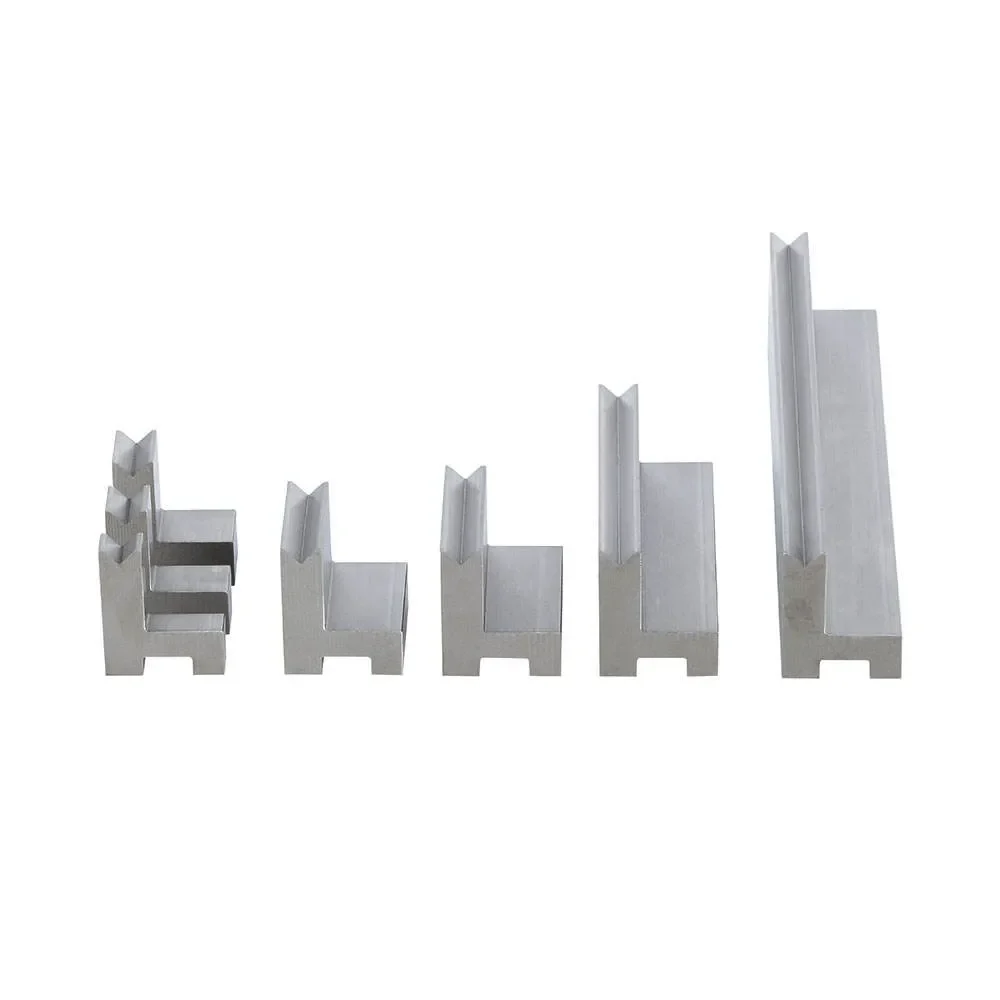
Still Have Questions?
CAMT technical staff review your working conditions and drawings before finalizing any recommendation. Secure expert engineering verification before placing your order.
- Complimentary pre-order drawing review
- Machine clamping & tonnage verification
- Custom tooling engineering & lead-time estimate
Need Help Selecting the Right Press Brake Tooling?
Share your machine model, material specifications, and bending requirements. CAMT engineers will evaluate your application and recommend the most suitable punch and die configuration.
Technical Review
Verify tooling compatibility and bending parameters.
Custom Solutions
OEM tooling design based on your drawings.
Global Supply
Reliable manufacturing and export support.
Request Tooling Recommendation
Send your drawings or production details. Our specialists will provide tooling recommendations and quotation support.
✓ Technical compatibility evaluation
✓ OEM custom tooling support