

Standard Press Brake Punches
Engineered by CAMT for repeatable accuracy, high wear resistance, and seamless compatibility with leading CNC press brake systems worldwide.
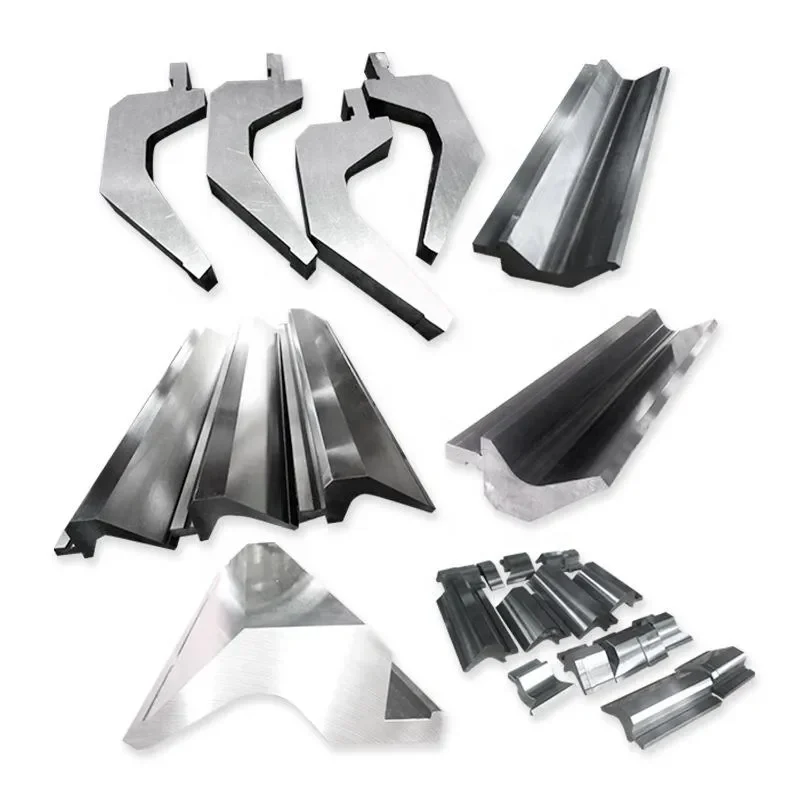
Explore Press Brake Punch Types
Choose the right punch profile based on bending angle, flange depth, part geometry, and production requirements. CAMT provides standard and custom press brake punches engineered for reliable sheet metal forming.
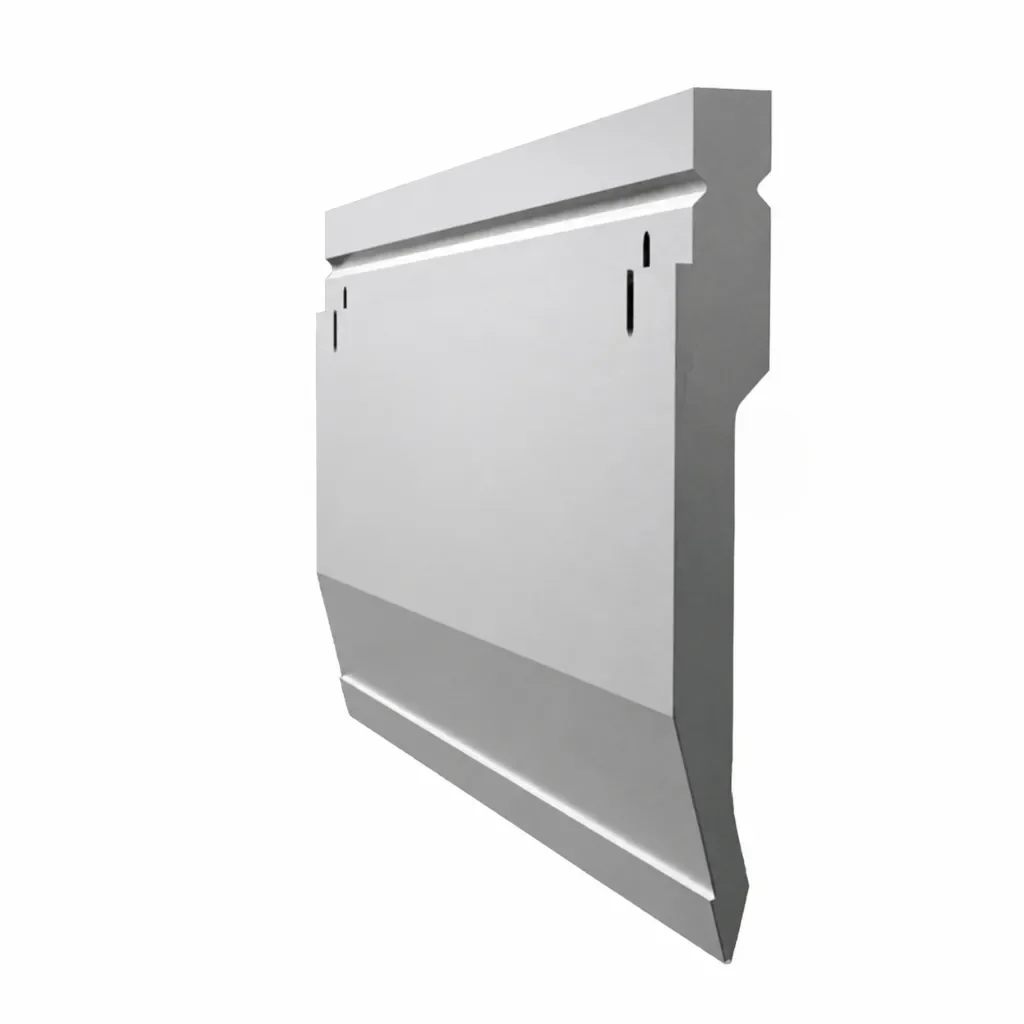
Acute Punches
Designed for sharp-angle bending applications, acute punches provide precise forming performance for complex sheet metal geometries and springback compensation.
Application: Acute angle bending
Benefit: Improved angle accuracy
Support: Custom profiles available
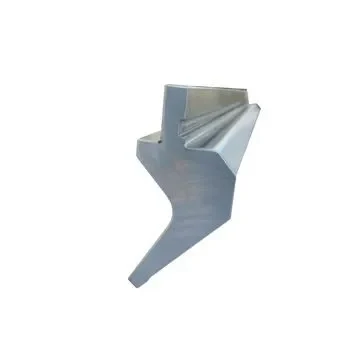
Gooseneck Punches
Gooseneck punches provide additional throat clearance for deep channels, box sections, and complex return flange bending.
Application: Deep profile forming
Benefit: Increased clearance
Support: CNC compatible
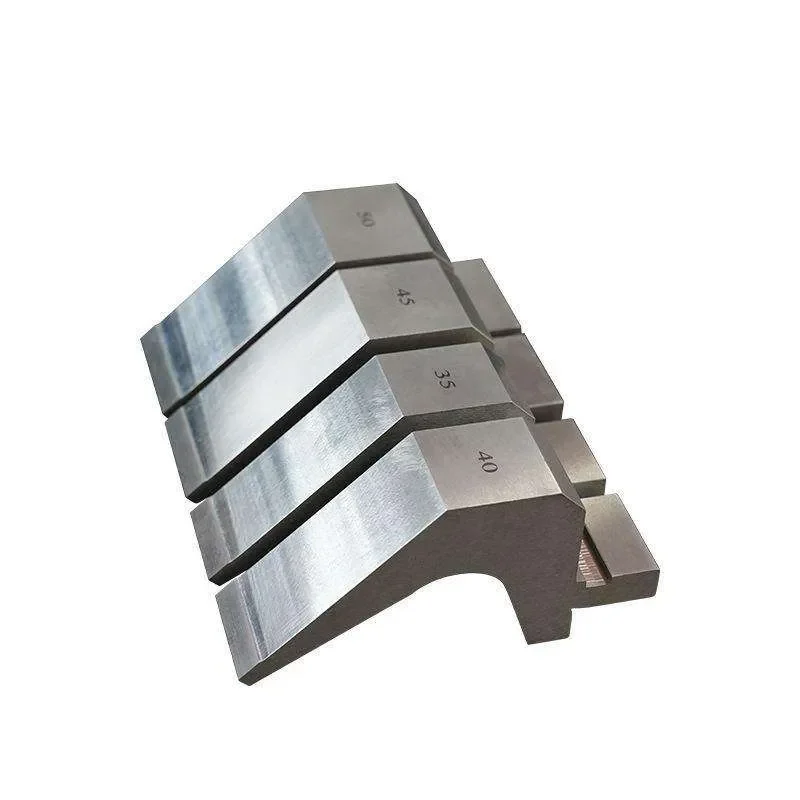
Offset Punches
Offset punches are engineered for Z bends, offset forming, and special sheet metal applications requiring accurate multi-level profiles.
Application: Offset and Z bending
Benefit: Complex profile forming
Support: OEM customization
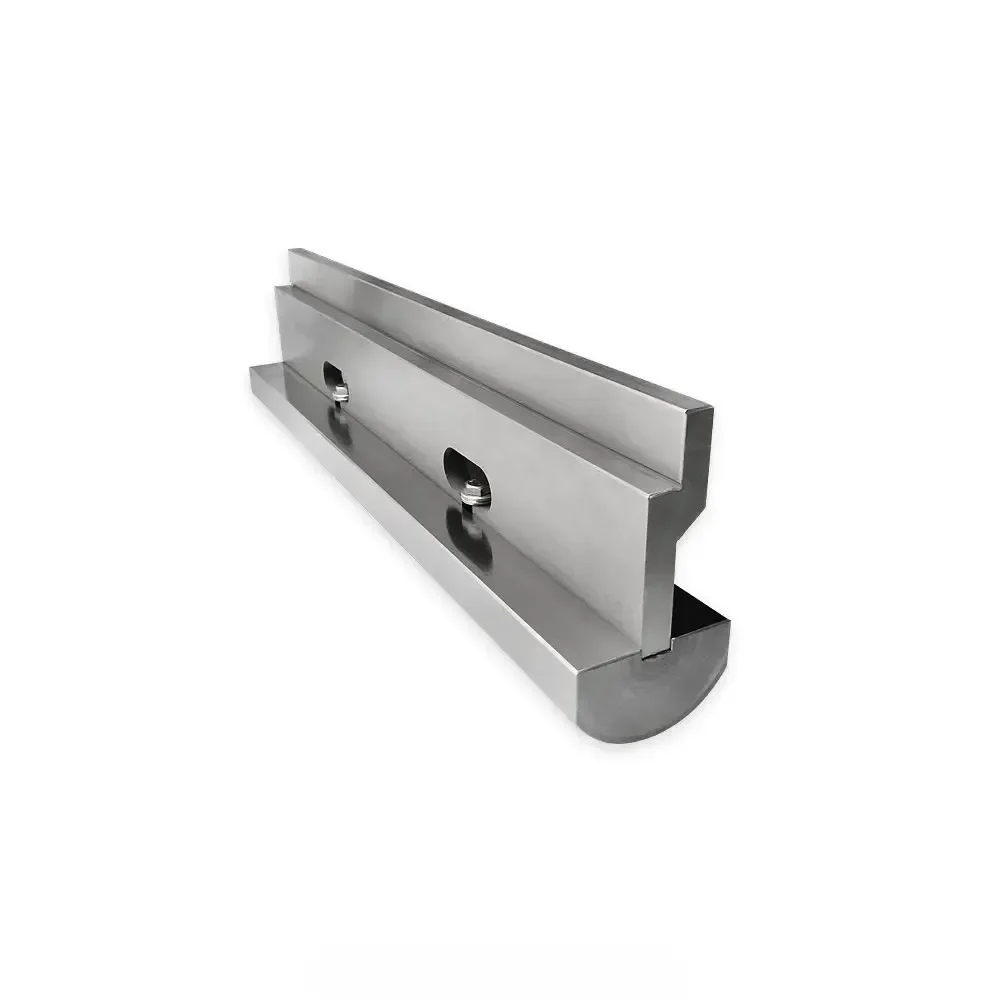
Radius Punches
Radius punches deliver smooth large-radius bends while reducing surface marking and improving consistency for heavy-duty applications.
Application: Large radius bending
Benefit: Surface protection
Support: Custom radius options
Need a Custom Punch Profile?
Submit your drawings and application requirements for engineering evaluation.
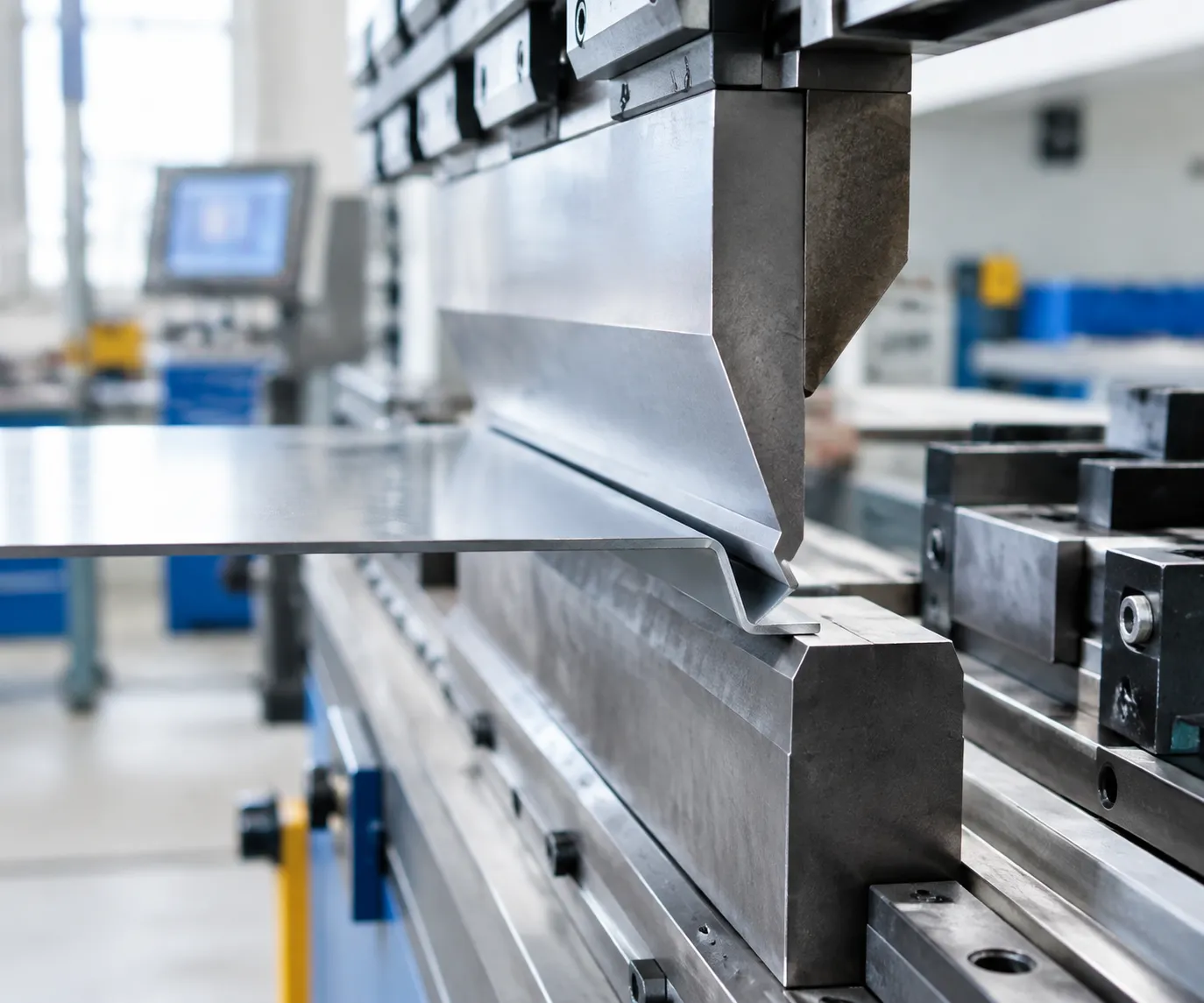
Precision Engineering, Material Integrity & Tolerances
Verify critical dimensions, tool steel grades, and heat treatment specs for stainless steel processing to ensure complete clamping compatibility and long-term bending accuracy.
Press Brake Punch Quality Standards
CAMT press brake punches are CNC deep-ground and induction hardened to maintain tight radius tolerances, exact tip alignments, and maximum wear resistance under high-tonnage loads.
- Precision CNC Grinding Micron-level tolerances on working height and tip radii ensure flawless section-to-section alignment.
- High-Hardness Tool Steels Forged 42CrMo and premium alloy steels heat-treated for balanced core toughness and edge durability.
- Deep Zone Hardening Targeted induction hardening on tip radius and contact zones prevents premature wear and chipping.
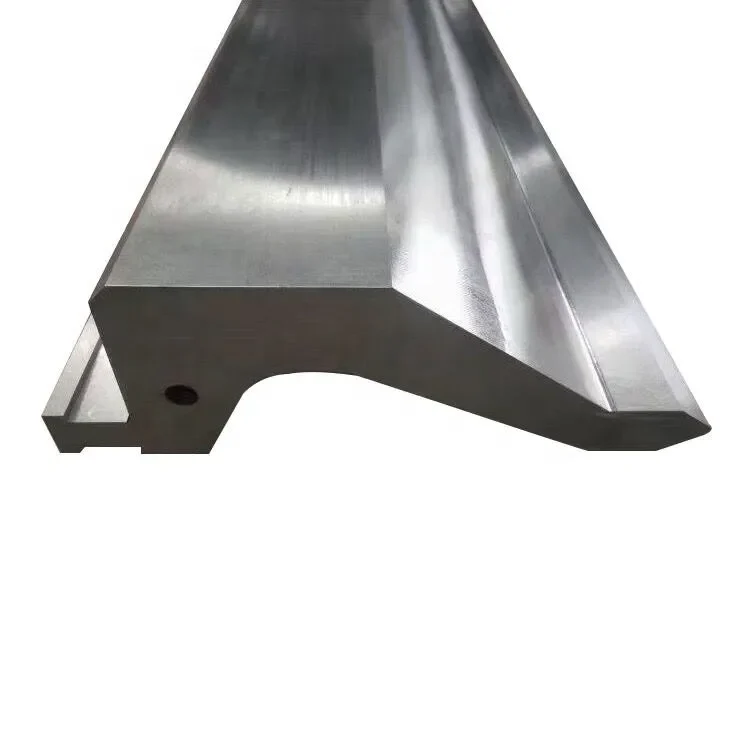
Standard punch profile key measurements: Tang tang style, working height, tip radius, and angle geometry.
Non-Standard Geometry & OEM Tooling
Require custom tip radii, special throat depths, specific section lengths, or anti-galling coatings? CAMT provides engineered punch modifications tailored to your bending requirements.
Custom Press Brake Tooling Technical Drawing Review & Feasibility Support IncludedPunch Specifications Reference Matrix
Cross-check standard parameters with machine and process requirements.
| Technical Property | Standard Specification | Tolerance / Standard |
|---|---|---|
| Working Height Tolerance | ±0.01 mm (0.0004 in) matched sets | CNC Precision Ground |
| Standard Materials | 42CrMo / 42CrMo4, C45, Cr12MoV | DIN 1.7225 / AISI 4140 |
| Heat Treatment Method | Induction Hardened Working Edge / Quenched Core | Controlled Atmosphere Thermal |
| Surface Hardness | 56 – 60 HRC (Tip & Bending Radius) | ISO 6508-1 / HRC |
| Clamping & Tang Style | European Precision, Trumpf-Wila, American Standard | OEM Direct Fitment |
| Standard Lengths | 835 mm, 415 mm, & Sectioned Sets (Serrated) | ISO 2768-m |
| Tip Radius Options | R0.2 mm to R10 mm (Custom radii available) | ±0.02 mm Profile Precision |
| Surface Coating (Optional) | Nitriding, Phosphating, Anti-Corrosion Treatment | Surface Resistance Finish |
Quality Assurance Notice: Every CAMT punch undergoes strict dimensional inspection and hardness testing before shipment. CAD models (2D/3D STEP) and how to choose press brake tools guidance are available to streamline tool selection and press brake integration.
Match Punch Profiles to Material & Bending Workflows
Align punch profiles with your sheet metal specs. Prevent flange interference, minimize die markings, and ensure precise bend angles across every production run.
Standard Straight Punch
Ideal for direct 90° bends and standard air-bending setups on flat sheet metal without complex return legs.
Performance Benefit: High structural rigidity resists deflection, providing consistent angle consistency over long production runs.
Deep Gooseneck Punch
Engineered with relief clearance to form deep U-channels, return flanges, and narrow interior bends without collision. This profile matches gooseneck punches.
Performance Benefit: Allows deep channel forming in a single pass, eliminating secondary re-clamping and manual adjustment.
Heavy-Duty Radius Punch
Designed for thick plate bending where larger inner radii are required to prevent outer surface cracking.
Process Note: Calculate machine load limits and V-die opening parameters before operation to prevent overloading.
Matching Tool Geometry to Material Dynamics
Selecting the optimal punch geometry prevents premature tool wear, reduces marking on sensitive materials, and minimizes bend variation. CAMT precision-ground punches deliver reliable clamping compatibility and long-term dimensional control.
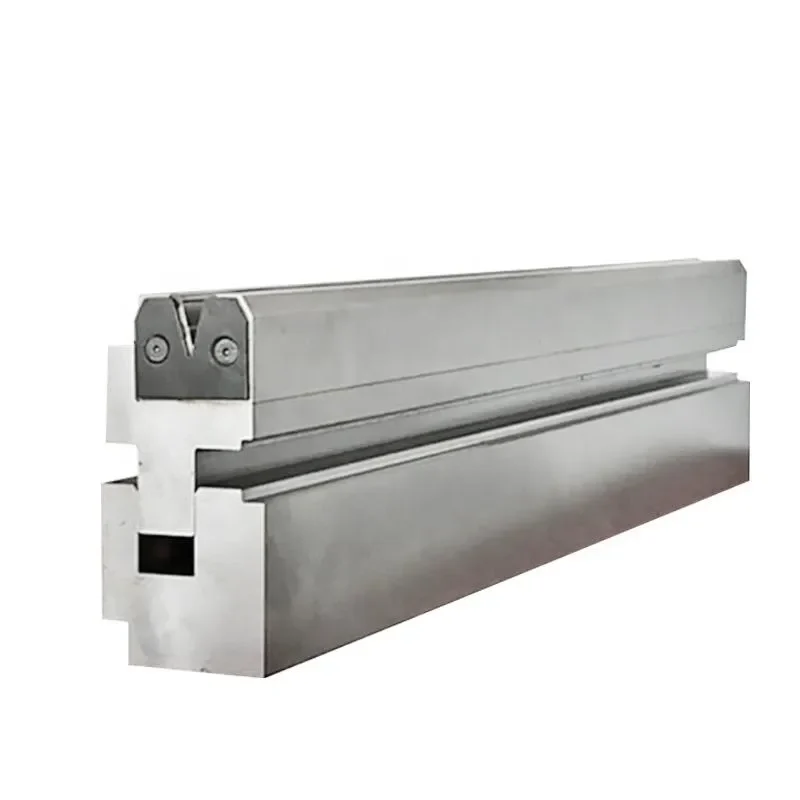
Punch Style Selection Matrix
Quick reference guide for matching profiles to sheet metal applications
| Punch Profile | Best Material Match | Min. Inner Radius | Interference Risk | Selection Status |
|---|---|---|---|---|
| Standard / Straight | Mild Steel & Stainless Steel | 1.0 × Material Thickness | High on Return Flanges | Suitable |
| Gooseneck | Aluminum & Thin Gauge Sheet | 0.8 × Material Thickness | Low (Throat Relief) | Suitable |
| Acute Angle (30°) | High Springback / Hemming | 0.5 × Material Thickness | Medium | Verify Angle |
| Narrow Sash Punch | Narrow Channel Work | 1.2 × Material Thickness | High Tonnage Risk | Verify Tonnage |
Why Leading Fabricators Rely on CAMT Press Brake Punches
We combine high-hardness tool steel metallurgy with multi-axis CNC grinding to deliver press brake punches that maximize tool life, eliminate bend line variation, and keep your production lines moving.
Precision CNC Grinding
Every punch profile and tip radius is ground to tight tolerances, ensuring identical height across sectional tooling and seamless side-by-side alignment.
Deep-Frequency Heat Treatment
Targeted induction hardening creates high working surface hardness while maintaining a resilient core, preventing tip chipping under heavy tonnage.
High-Hardness Tool Steels
Manufactured from premium alloys such as 42CrMo and Cr12MoV, optimized to resist wear when bending stainless steel and abrasive sheet materials.
Advanced CNC Machining
Multi-axis milling produces precise punch tangs, safety grooves, and gooseneck reliefs, guaranteeing perfect fitment with standard clamping systems.
OEM & Custom Punch Engineering
From modified standard profiles to specialized non-standard punches, our engineering team optimizes drawings to prevent part interference.
Fast Delivery & Global Shipping
We maintain extensive stocks of standard punch profiles and leverage secure export packaging to deliver replacement tooling rapidly worldwide.
Strict Quality Verification for Every Tooling Segment
Each press brake punch manufactured by CAMT undergoes rigorous dimensional inspection, profile verification, and surface hardness testing. We ensure exact physical compatibility with Amada, Trumpf, LVD, Bystronic, and Euro-style clamping systems.
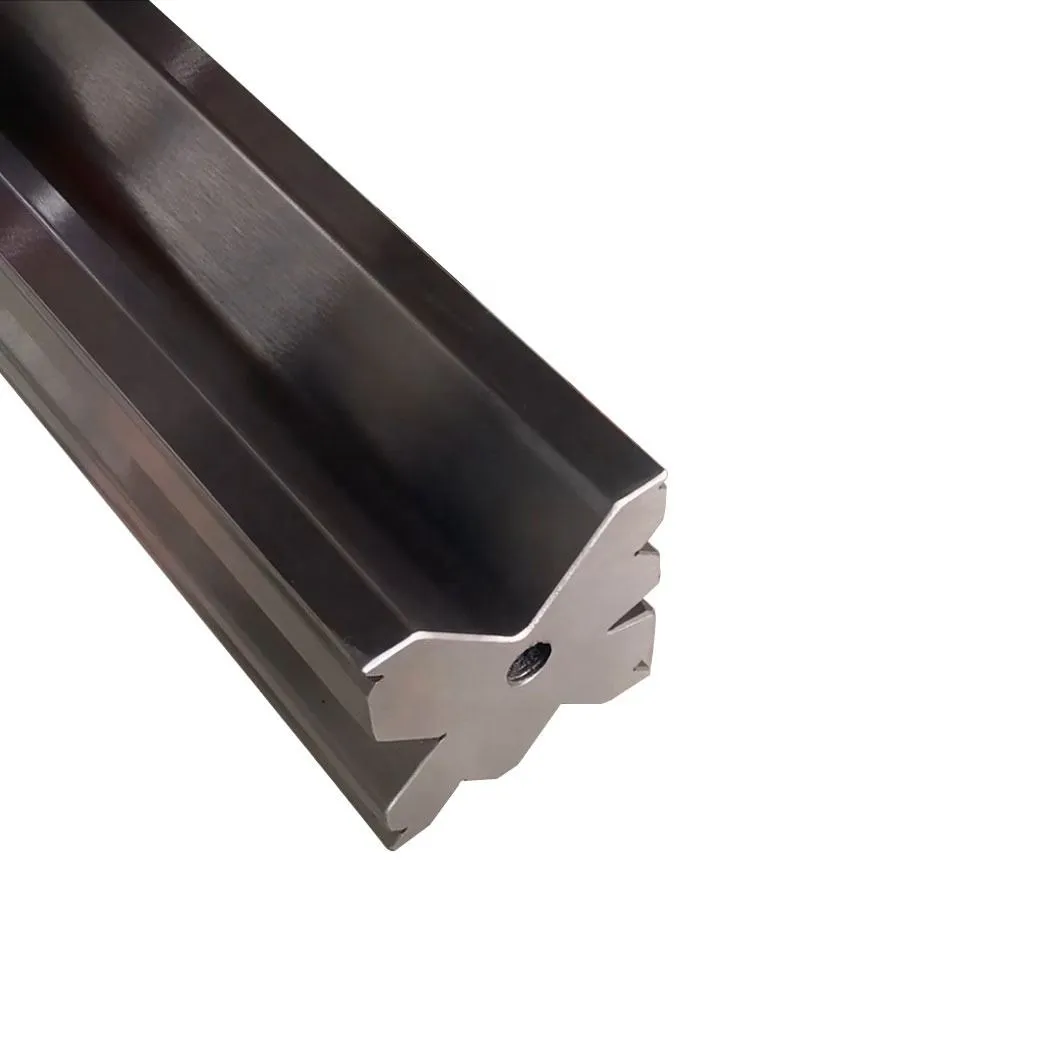
Punch Selection Logic: Avoid Interference, Marking & Bending Errors
Follow CAMT's structured 5-step engineering approach to select the right press brake punch profile, prevent workpiece collisions, and eliminate costly sheet metal rework. For deeper selection criteria, explore our how to choose press brake tools guide.
5-Step Punch Selection Process
Verify Machine Clamping & Height Space
Confirm press brake style (Amada Promecam, Trumpf-Wila, European, or American) and evaluate total open height and shut height before selecting tang configuration.
Define Sheet Material & Minimum Bend Radius
Assess material tensile strength, sheet thickness, and springback behavior to determine target tip radius ($R$) and prevent premature edge cracking or sheet fracturing. Refer to the press brake tooling material guide for material-to-tool matching details.
Analyze Profile Clearance & Return Flanges
Check box depth, return flange geometry, and channel clearances. Use gooseneck or narrow relief punches to eliminate part-to-punch interference during deep bends.
Match Profile Angle to Bend Method
Select punch tip angle ($88^circ$, $86^circ$, $30^circ$ acute) based on air bending springback allowances or bottoming tonnage limits to ensure exact final angle consistency.
Check V-Die Compatibility & Load Ratings
Cross-reference maximum tonnage per meter ($text{tons/m}$) and check V-die compatibility against lower V-die openings to prevent tool overload and marking.
CAMT Press Brake Tooling Interference & Clearance Diagram
Punch Selection Decision Matrix
| Selection Factor | Low Risk | Medium Risk | High Risk |
|---|---|---|---|
| Clamping Interface | Direct OEM tang match | Standard adapter used | Unverified modded holder |
| Material Tensile Strength | Mild steel (< 450 MPa) | Stainless (450–700 MPa) | High-strength (> 700 MPa) |
| Interference Clearance | Flat or simple 90° bend | Shallow box / return flange | Deep channel / narrow profile |
| Punch Profile Match | Standard straight punch | Acute or offset profile | Deep throat gooseneck |
| Tonnage Utilization | < 60% rated max load | 60%–85% rated max load | 85% rated max load |
Common Root Causes of Bending Errors
| Bending Issue | Affected Step | Engineering Mitigation |
|---|---|---|
| Mismatch in press brake clamping | Step 1 | Verify tang height and safety grove spec |
| Sheet cracking or severe indentations | Step 2 | Increase punch tip radius ($R$) |
| Flange collision during secondary bend | Step 3 | Switch to gooseneck or relief punch profile |
| Inconsistent angle due to springback | Step 4 | Select acute punch angle for air bending |
| Tool deflection or premature tip wear | Step 5 | Validate tonnage limits and CNC hardened steel |
CAMT Technical Verification & Support
Need help validating tight tolerances or complex bend sequences? Send your 2D/3D part drawings to CAMT's tooling engineers for full collision analysis and custom punch recommendations before ordering.
Custom Press Brake Punch Engineering & Volume Manufacturing
CAMT delivers end-to-end Custom Press Brake Tooling solutions for OEMs, equipment integrators, and regional tooling distributors—turning complex bend profiles into production-ready tooling.
4-Step Custom Punch Production Process
Drawing & Spec Review
Engineering analysis of CAD files, clamping compatibility, sheet thickness, and target bend radii. For buyers comparing options, our how to choose press brake tools guide outlines the key selection factors.
Design Optimization
Refining punch geometries and relief zones to prevent clearance interference and reduce tool wear.
Prototyping & Testing
Precision CNC machining and grinding of sample punches for dimension verification and trial bending.
Batch Manufacturing
Full production runs featuring deep induction hardening, precision grinding, and CMM quality control.
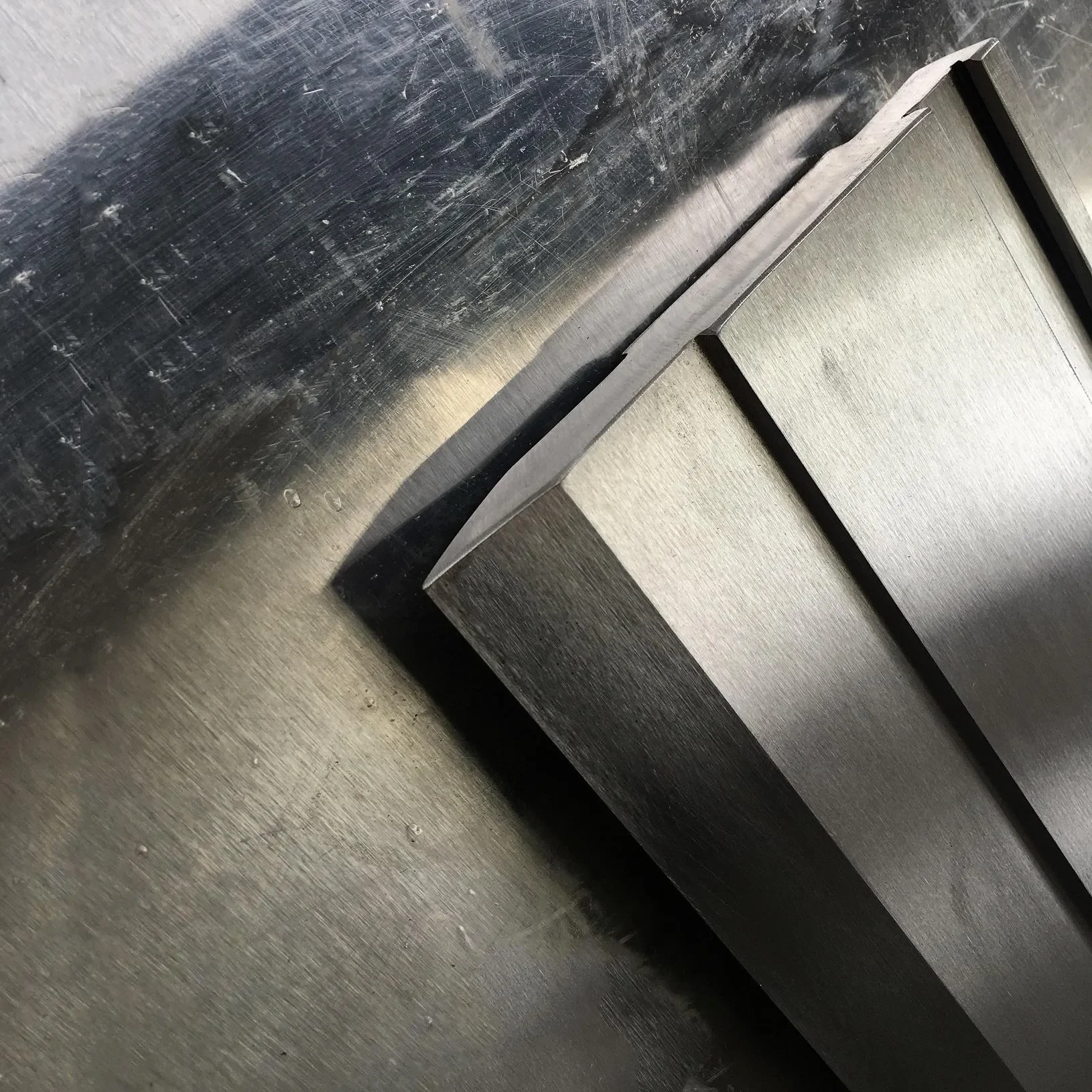
Custom Punch Capabilities
Bespoke SpecsCAMT tailors standard and special punch profiles to match specific press brake clamping systems and challenging stainless steel processing and sheet metal applications.
- Segmented & Overall Lengths Standard sectional sizes (e.g., 835mm, 415mm) or custom continuous lengths.
- Punch Angles & Heights 30° to 90° tip angles with custom working heights to increase daylight space.
- Tip Radius & Throat Depth Modified tip radii (R0.2mm to R10mm+) and extended gooseneck recesses.
- High-Grade Tool Steels Premium 42CrMo, Cr12MoV, or specialized alloy steels for maximum load capacity.
- Heat Treatment & Coatings Induction-hardened working edges (52-60 HRC) and anti-corrosion surface treatments.
Designed for sheet metal OEMs, equipment manufacturers, and global tooling distributors requiring strict tolerances and rapid turnaround.
Frequently Asked Questions
Find quick answers regarding standard profiles, tool steel selection, custom tolerances, lead times, and engineering support.
What standard press brake punch profiles does CAMT manufacture?
How do I choose the correct tool steel and punch material?
Can CAMT supply non-standard punch lengths or custom profiles?
How does CAMT verify heat treatment and punch hardness?
What are the typical lead times for standard and OEM punch orders?
Does CAMT provide drawing evaluation and interference checks?
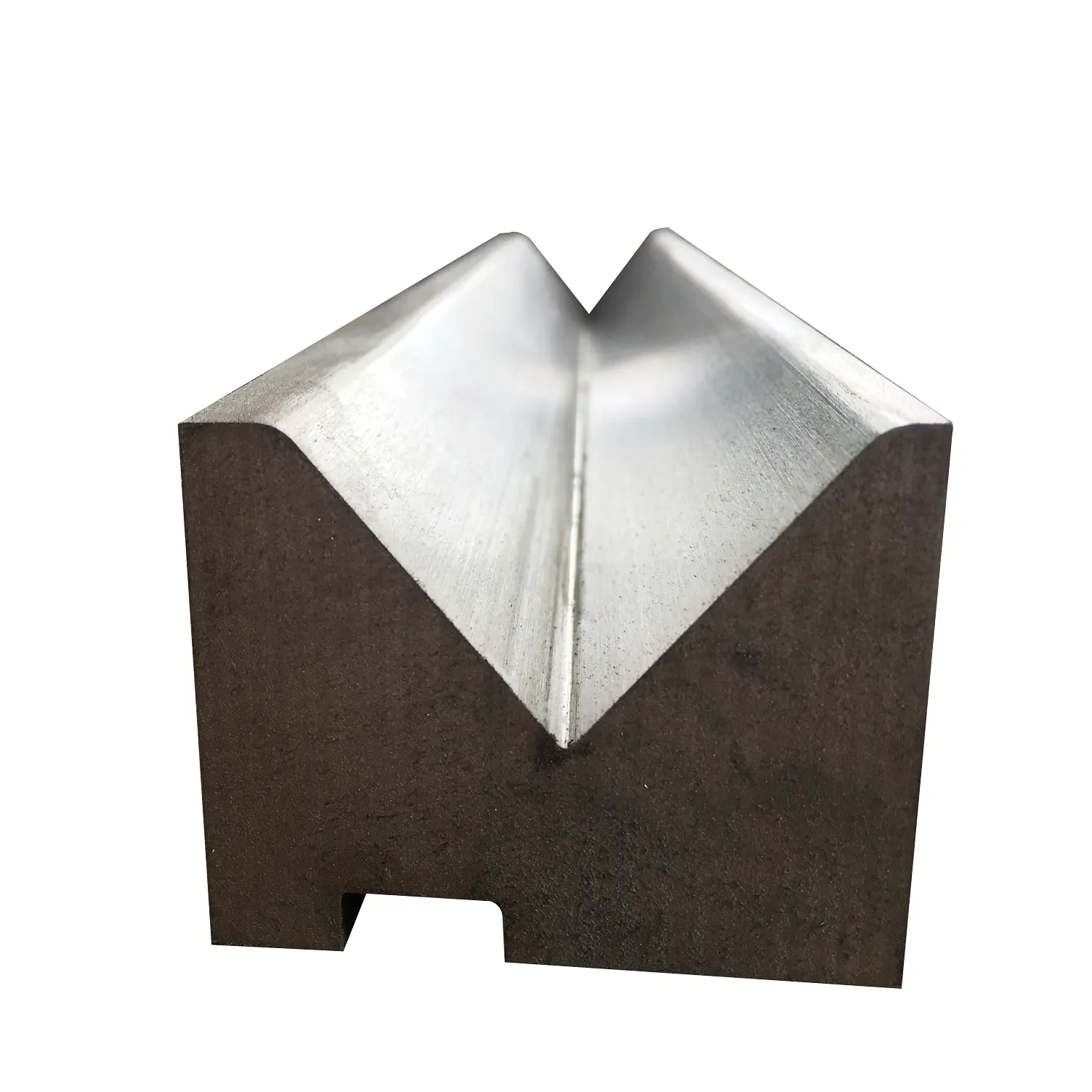
Need a Tooling Engineering Review?
Share your part drawings, press brake specifications, or bending requirements. CAMT engineers will evaluate feasibility, tooling selection, and provide practical recommendations.
Need the Right Press Brake Punch for Your Application?
Share your bending requirements, machine specifications, or part drawings. CAMT engineers will recommend suitable punch configurations, including standard and custom tooling solutions.
Request Tooling Assistance
Get professional guidance on punch selection, compatibility, and custom tooling requirements.
Confidential drawing review · OEM & custom tooling support