
Understanding 4.5mm Bottom V Die Dimensions for Precision Bending
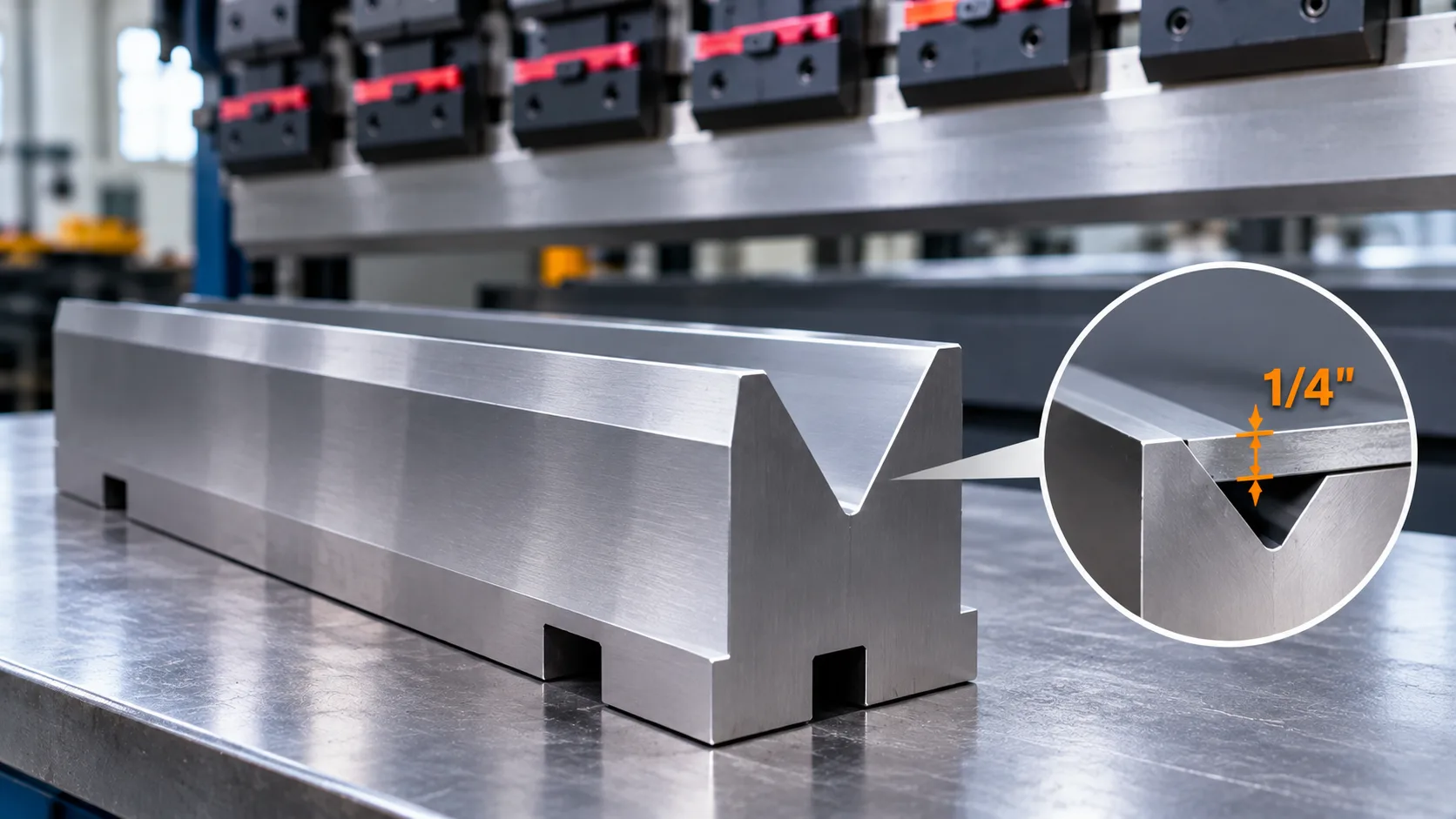
Core Functions of the 4.5mm V-Die
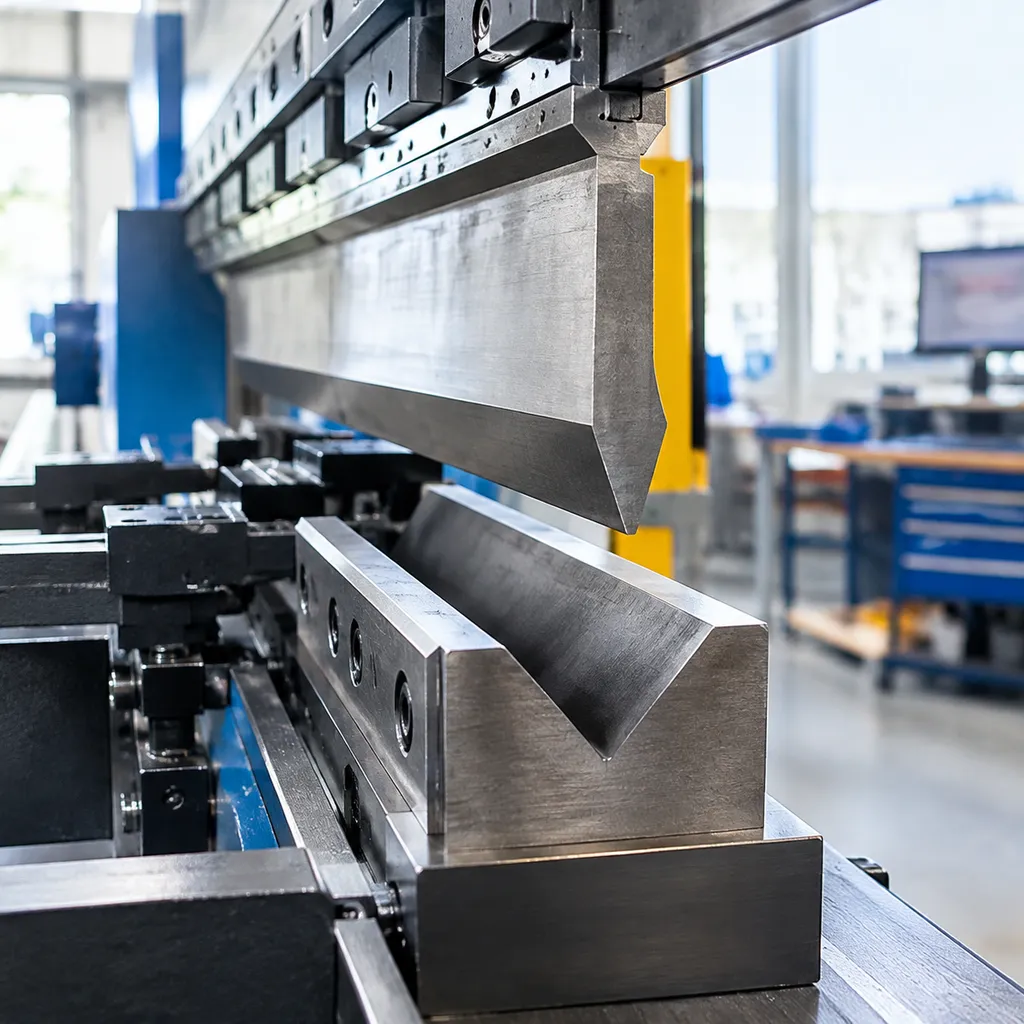
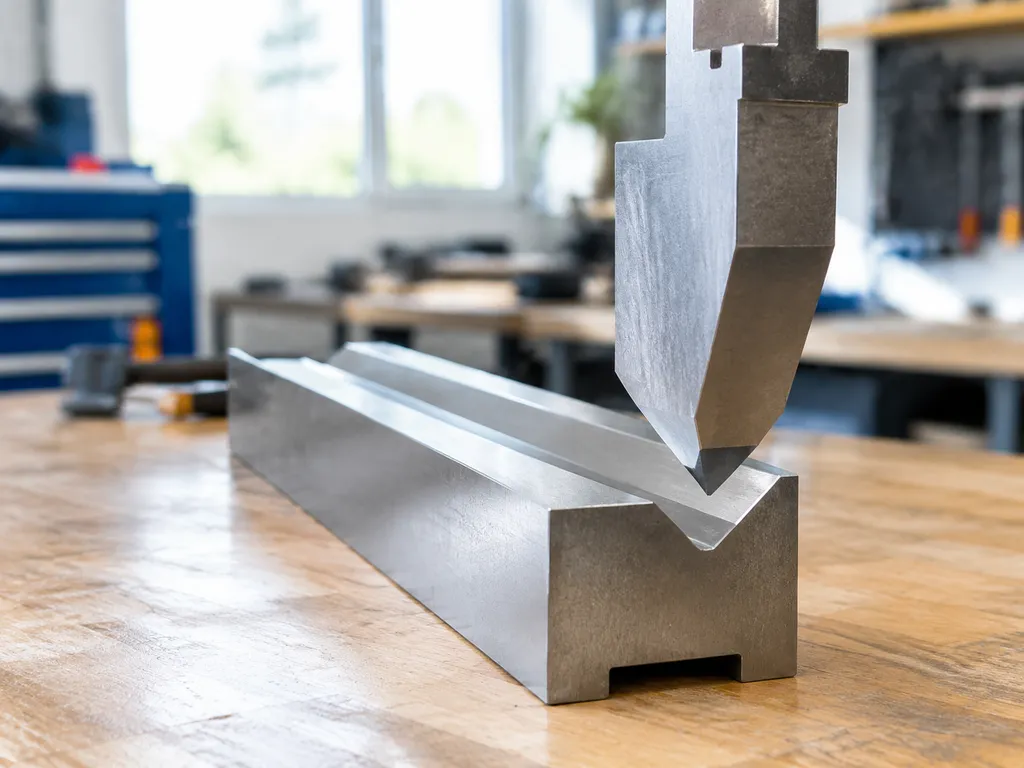
V-dies facilitate both air bending and bottoming processes. In air bending, the material does not contact the bottom of the die, allowing for versatile bend angles, while bottoming forces the material into the V-profile to achieve higher precision and reduce springback.
| Feature | Specification Details |
|---|---|
| V-Opening Width | 4.5mm |
| Primary Application | Precision bending of thin-gauge materials |
| Operation Type | Air Bending, Bottoming |
| Material Goal | High accuracy, minimal springback |
Why Precision Dimensions Matter
For high-tolerance fabrication, the accuracy of the V-opening dictates the success of the finished part. Even minor deviations in die dimensions can lead to inconsistent bend radii and geometry errors. We prioritize high-tolerance manufacturing to ensure that our tools deliver repeatability across heavy-duty industrial applications. Consistent V-die dimensions minimize setup time, reduce scrap rates, and ensure your press brake tooling meets the demands of your production line.
4.5mm V-Die Technical Specifications
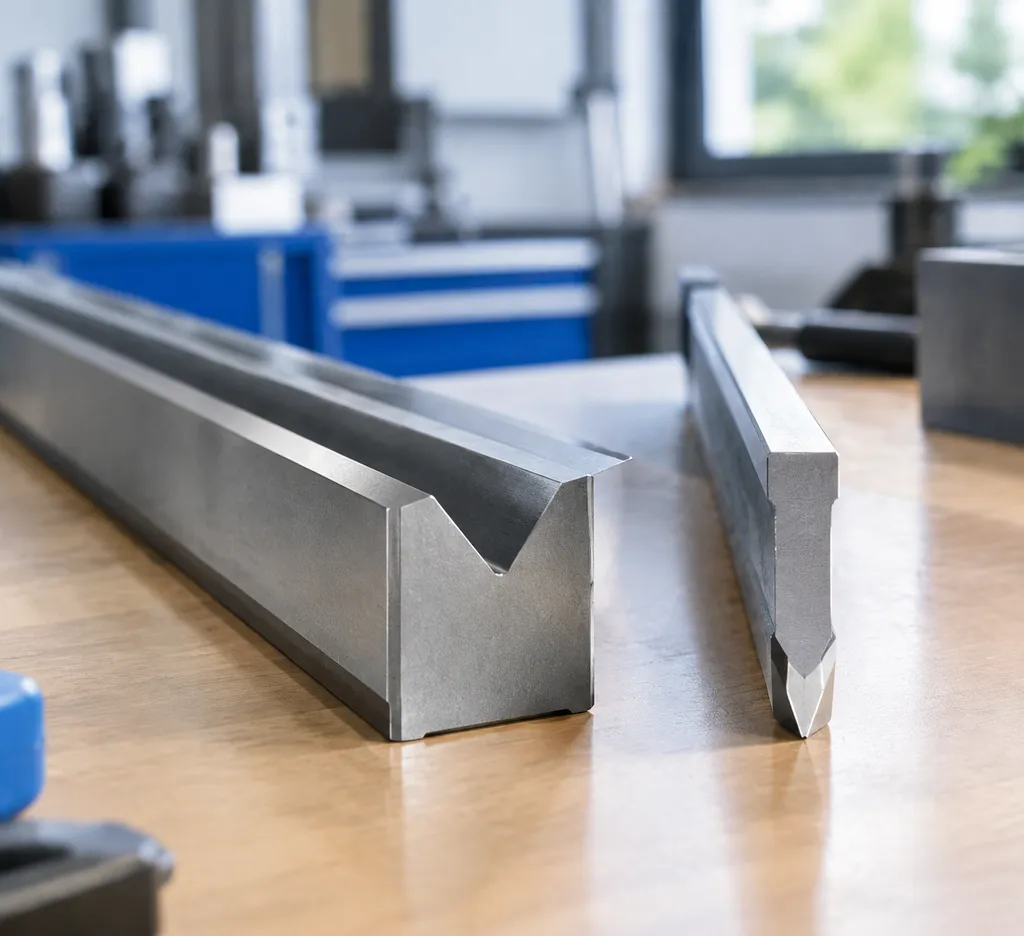
Technical Parameters for 4.5mm V-Openings
| Parameter | Specification Details |
|---|---|
| V-Opening Width | 4.5mm |
| Typical Material Thickness | 0.6mm – 0.8mm |
| Standard Die Angles | 88°, 90° |
| Bend Radius Logic | Typically 1.6x the V-opening |
| Construction Material | High-grade wear-resistant alloy steel |
Tonnage and Safety Limits
Operational safety and tool longevity are directly linked to European press brake die rating guide for tonnage safety. To prevent permanent deformation of the die or the press brake bed:
- Tonnage Limits: Always reference the specific manufacturer's load limit for your V-die geometry to avoid structural failure.
- Material Compatibility: The 4.5mm opening is optimized for thin-gauge sheet metal. Exceeding recommended thickness leads to excessive stress and premature shoulder wear.
- Tool Integrity: Inspect the V-opening regularly for hairline fractures or uneven wear, especially after intensive production runs.
Proper maintenance of these parameters ensures that your press brake tooling consistently meets the high-tolerance requirements of your bending operations.
Choosing the Right Die for Your Material
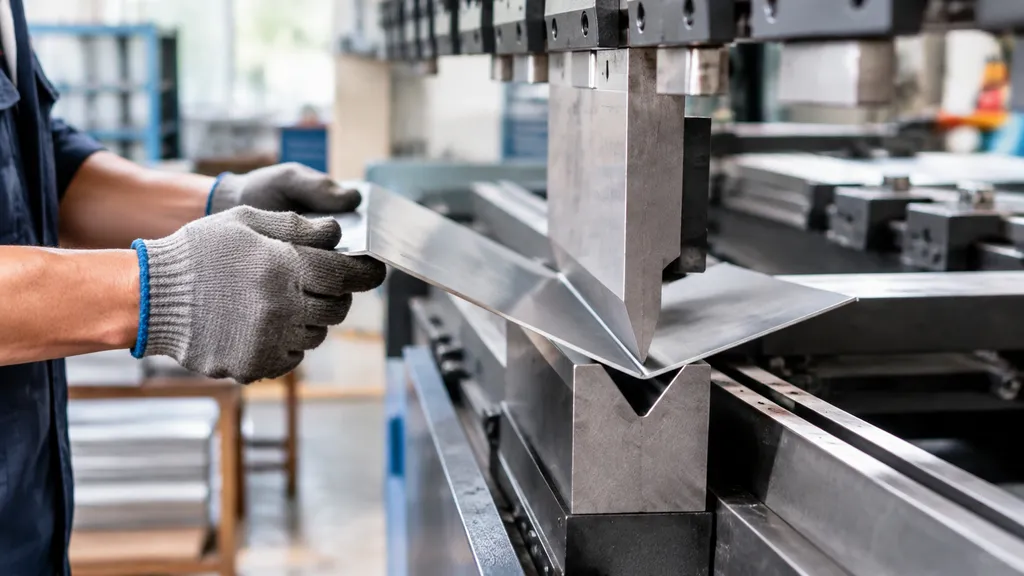
Selecting the correct V-opening is the foundation of quality metal fabrication. When you are working with precision components, the die selection dictates the accuracy of the entire bend. Before committing to a specific tooling configuration, it is essential to review different press brake die types to ensure the setup aligns with your material requirements and production standards.
The Rule of 8 and Material Thickness
In professional fabrication, we rely on the "Rule of 8" to determine the optimal V-die width. For a 4.5mm V-opening, the ideal material thickness typically falls between 0.5mm and 0.75mm.
- Calculation: Using the standard ratio, a 4.5mm V-opening ÷ 8 results in a 0.56mm optimal material thickness.
- Operating Range: While the 8x ratio is the industry standard for air bending, fabricators sometimes use a 6x ratio for specific tight-bend applications, though this requires higher tonnage and increases the risk of premature tool wear.
Impact on Inner Bend Radius
Your choice of a 4.5mm die opening directly governs the inner bend radius. A tighter opening forces a sharper radius, which is ideal for thin-gauge accuracy. If you select a die that is too wide for your specific material thickness, the sheet will sink too deeply into the die, resulting in an inconsistent radius and increased deviation from your part specifications. Conversely, attempting to use a 4.5mm opening for material that is too thick will lead to excessive tonnage requirements and potential die fracture.
Managing Springback in Thin Sheet Metal
Thin sheet metal is inherently prone to springback, which can compromise part integrity. When utilizing a 4.5mm V-opening for air bending, you have the operational flexibility to adjust your stroke depth to compensate for material memory.
- Over-bending: By slightly adjusting the stroke depth beyond the required angle, we can effectively cancel out springback during the bending process.
- Tooling Precision: High-tolerance, precision-engineered dies ensure that the force is distributed evenly across the shoulder radii. This consistency minimizes the elastic recovery that often leads to inaccuracies in tight-tolerance production environments.
Calculating Bend Tonnage for 4.5mm V-Dies
Determining the correct press brake tonnage calculation is critical when working with a 4.5mm V-opening. Applying excessive force not only leads to premature tool wear but can also cause machine deflection, which compromises the accuracy of your bend angles and shortens the lifespan of your precision metal bending tools.
To estimate the required bending force, I rely on the standard industry formula:
Force (kN/m) = (1.42 x Tensile Strength x Thickness²) / V-opening
For a 4.5mm die, keep these operational tips in mind to maintain structural integrity:
- Avoid Overloading: Always reference the tonnage rating of your specific die profile. Using force beyond the machine's capacity leads to permanent deformation of the tool.
- Monitor Deflection: If your sheet thickness approaches the upper limit for a 4.5mm opening, be mindful that excessive pressure can lead to uneven bending across the length of the part.
- Prevent Tool Wear: Regular force estimation helps prevent the "bottoming out" effect, which is a common cause of cracked dies and uneven shoulder wear.
- Material Variables: Adjust your tonnage calculations based on the material's tensile strength; higher-strength alloys require more force, increasing the risk of accelerated tool fatigue if the V-opening is too narrow.
Maintaining precise control over your bending force ensures consistent part quality and protects your investment in high-grade alloy steel tooling. Proper calculation is the foundation of reliable industrial fabrication.
Die Geometry: Shoulder Radius and Throat Depth
The geometry of your 4.5mm V-die directly dictates the quality of the finished part. Achieving precision in metal bending requires a clear understanding of how shoulder radius and throat depth influence the final form.
Shoulder Radius for Surface Integrity
The shoulder radius is critical for minimizing surface marring. A radius that is too sharp will dig into the sheet metal during the bend, leaving undesirable marks. We emphasize high-tolerance manufacturing to ensure these radii are smooth and consistent. For sensitive materials, utilize specialized non-marking polyurethane tooling to protect the aesthetic finish of your workpieces.
Angle Specifications: 88° vs. 90°
Choosing the correct die angle is essential for compensating for springback:
88° Dies: Frequently used for air bending to allow for over-bending. This accounts for the natural tendency of the metal to spring back, helping you reach a precise 90° angle after the pressure is released.
90° Dies: Primarily used for bottoming or coining applications where the material is fully set against the die face.
Impact on Part Accuracy
The relationship between throat depth and die geometry ensures stability throughout the bending process. Proper alignment of these dimensions prevents uneven load distribution, which is a common cause of part inconsistency. If you are experiencing challenges with geometry and consistency, refer to our press brake die selection guide for precise bending to align your tooling specs with your operational requirements. Ensuring the die geometry matches your specific press brake clamping system is the most reliable way to maintain accuracy across heavy-duty production runs.
Maintaining Your Press Brake Tooling
To ensure consistent performance and longevity of your 4.5mm bottom V-dies, proactive maintenance is essential for high-tolerance metal fabrication. We prioritize press brake die maintenance tips for longer tool life to help you mitigate the risks of premature surface degradation and structural fatigue.
Inspection and Wear Management
Regularly inspect your tooling for signs of galling, chips, or deformation along the shoulder radius. Even minor surface wear on a 4.5mm die can lead to inconsistent bend angles or unsightly marking on thin-gauge materials. Implement these best practices to maintain tool integrity:
Visual Checks: Examine the V-opening for debris or metallic build-up before every shift.
Surface Cleaning: Use non-abrasive methods to clear the die groove to ensure the sheet metal sits flush.
Lubrication: When processing abrasive materials, light lubrication can significantly reduce friction on the shoulder radius, extending the lifespan of the tool.
Best Practices for Clamping and Centering
Precision in your final part begins with accurate setup. Improperly seated dies can cause uneven pressure distribution, leading to premature machine wear and potential tool damage.
Clamping: Always verify that the die is fully seated and securely clamped in the tool holder. Using high-quality press brake bottom dies ensures compatibility with international standard clamping systems, promoting a stable and repeatable setup.
Centering: Ensure the punch and 4.5mm die are perfectly aligned. Any offset during the bending process increases stress on the die shoulders, which can lead to cracking or uneven bending results.
Tool Load: Never exceed the tonnage ratings specified for your tooling. Operating within the recommended capacity is critical for preserving the geometry of small-opening dies.
Frequently Asked Questions Regarding 4.5mm V-Die Operations
What is the best material range for a 4.5mm V-opening?
A 4.5mm V-opening is typically utilized for thin-gauge sheet metal. Applying the industry-standard "Rule of 8," this die is best suited for material thicknesses ranging from approximately 0.5mm to 0.75mm. Using this range ensures optimal bending force distribution and prevents the sheet from pulling into the die opening.
How do I know if my press brake die is worn out?
Visible signs of wear include rounded or chipped shoulder radii, uneven die surfaces, or a decline in bend angle consistency across the workpiece. If you notice increased marking on the metal or the need for excessive tonnage to achieve a standard bend, it is time to inspect your precision metal bending tools for fatigue or material degradation.
Can I use a 4.5mm die for bottom bending?
While 4.5mm V-dies are frequently used for air bending, they can be used for bottoming if the die geometry is specifically engineered for that purpose. Bottoming requires the die angle to match the desired bend angle precisely. Ensure your tooling is rated for the higher force requirements associated with bottoming to avoid permanent deformation of the die.
Why is my sheet metal marking during the bend?
Marking is often caused by sharp or damaged die shoulders. If the contact point between the sheet and the die surface is too abrasive, it will leave indentations. To minimize surface marring, ensure your die shoulders have the correct radius and that the tooling surface is kept clean and free of debris. If surface quality is critical, consider using specialized inserts or high-grade alloy steel tooling designed for smooth contact.